What Does a Xanax Bar Look Like?
Alprazolam, commonly known by the brand name Xanax, is a prescription medication used to treat anxiety and panic disorders. It is available in different strengths, shapes, and colors depending on the dosage and manufacturer. Many people search for what generic Xanax looks like because the appearance can vary widely between pills.
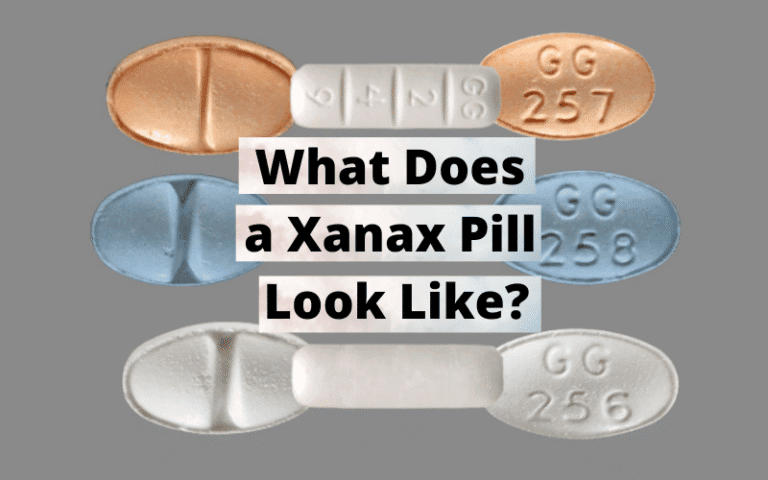
A Xanax “bar” typically refers to a rectangular tablet that is scored with lines, making it look similar to a ladder. These scored lines allow the pill to be divided into smaller doses. Xanax bars are most commonly white, but they can also appear in other colors depending on the manufacturer. They are often referred to by slang terms such as “bars” or “ladders.”
Xanax is also available in oval-shaped tablets, which are often light blue and come in lower doses such as 0.5 mg or 1 mg. These pills may have “XANAX” printed on one side and a score line on the other to allow splitting. In general, most alprazolam tablets include an imprint that shows the brand name, dosage, or manufacturer for identification purposes.
Because Xanax pills can look different based on where they are made, it is important to check the imprint code and confirm the medication through a pharmacist or a trusted pill identifier tool.
Alprazolam/Xanax Pill Images
Different Colored Bars and Tablets
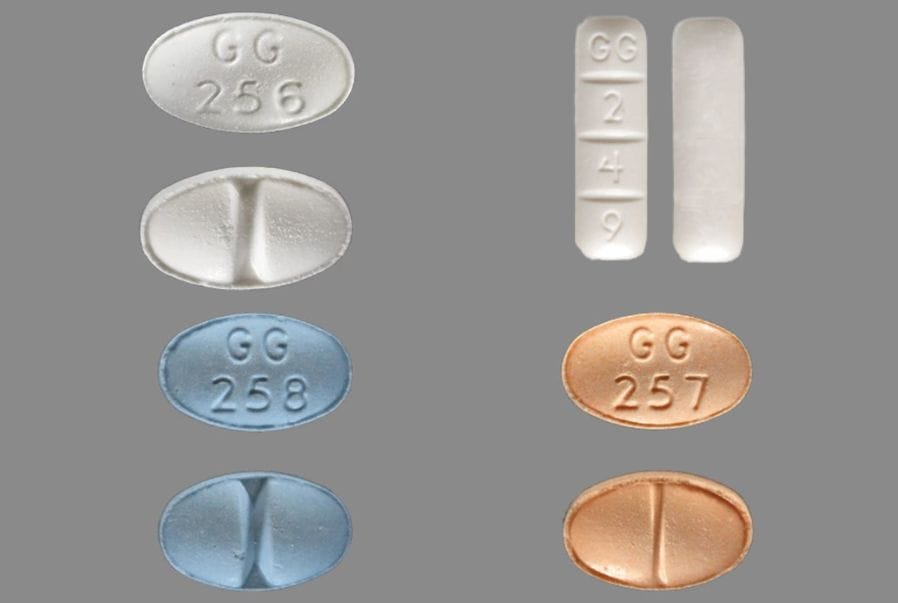
Alprazolam, commonly known as Xanax, is available in different colors, shapes, and strengths. The appearance of each pill depends on the dosage and the manufacturer. Many people recognize the “Xanax bar” as a long, rectangular tablet that is scored into sections, making it easy to split into smaller doses. These bars often contain 2 mg of alprazolam, which is one of the higher immediate-release doses. Extended-release versions may come in different forms and strengths.
Xanax is sometimes referred to by slang terms such as “bars,” “planks,” “zanies,” or “zanbars.” While these names are common, it is important to understand that the color of a Xanax pill does not change its effects. The dosage and formulation determine how the medication works.
Below are some of the most common Xanax colors and what they typically indicate:
Green Xanax Bar
Green Xanax pills can come in several shapes, including rectangular bars, triangles, and ovals. These pills may range from 1 mg to 3 mg, depending on the form. Some green tablets are extended-release and designed to last longer in the body. Despite the color, the strength depends on the specific imprint and manufacturer.
Pink Xanax Bar
Pink alprazolam tablets are less common and are usually seen in round or oval shapes. Some versions are higher-dose or extended-release formulations. Because of their strength, they should only be used under medical supervision.
White Xanax Bar
White Xanax bars are one of the most commonly prescribed forms. These rectangular tablets are typically 2 mg and scored into four sections for easy splitting. They are widely recognized and often referred to as “bars” or “sticks.”
Yellow Xanax Bar
Yellow Xanax bars are also commonly prescribed and usually contain 2 mg of alprazolam. Like white bars, they are rectangular and scored for dividing into smaller doses. The difference in color is due to the manufacturer, not the effectiveness.
Blue Xanax Bar
Blue alprazolam tablets are often oval or round and typically come in 1 mg doses. They are sometimes called “blue footballs” because of their shape. These are lower-dose options compared to standard bars.
Peach (Orange) Xanax Bar
Peach or orange Xanax pills are usually oval-shaped and contain 0.5 mg of alprazolam. These are considered lower-dose tablets and are often prescribed for milder symptoms or for individuals starting treatment.
Purple Xanax Bar
Xanax pills can look different depending on the manufacturer, so color alone is not a reliable way to identify a pill. Always check the imprint code and confirm the medication with a pharmacist or a trusted pill identifier.
Misuse of alprazolam can lead to dependence, withdrawal symptoms, and serious health risks. If a teen or young adult is misusing Xanax, it may be a sign that professional support is needed. Evidence-based treatment programs, including those at Key Healthcare’s residential treatment center for teens, can provide the structure and care needed for long-term recovery.
What is Alprazolam (Xanax)?
Alprazolam, commonly known as Xanax, is a prescription medication used to treat anxiety and panic disorders. It belongs to a class of drugs called benzodiazepines, which work by slowing down activity in the brain to help people feel calm.
While Xanax can be helpful when prescribed by a doctor, it is not typically intended for long-term use in teens. Adolescents may be more vulnerable to the effects of the drug, including sedation, impaired judgment, and risk of misuse. The National Institute on Drug Abuse warns that benzodiazepines like alprazolam can lead to dependence, especially when used improperly or without medical supervision.
What to Keep in Mind Before Using Xanax
Xanax should always be taken exactly as prescribed by a licensed healthcare provider. Taking higher doses, using it more frequently than directed, or continuing use for long periods can increase the risk of physical dependence and overdose.
Before starting alprazolam, it is important to talk with your doctor about your full medical history and any medications you are currently taking. This helps reduce the risk of dangerous drug interactions and side effects.
Key things to discuss with your provider include:
- Any allergies to medications, especially benzodiazepines
- Current prescriptions, supplements, or herbal products
- History of liver, kidney, lung, or seizure disorders
- Pregnancy or breastfeeding status
- Any history of substance use or addiction
Older adults may be more sensitive to the effects of Xanax, including drowsiness and impaired coordination, which can increase the risk of falls or injury.
Why Xanax Misuse Is a Concern for Teens
Some teens misuse Xanax to cope with stress, anxiety, or social pressure. Others may take it recreationally because of its calming or sedating effects. However, using Xanax without a prescription or outside of medical guidance can be dangerous.
Teen brains are still developing, which makes them more sensitive to substances that affect mood and behavior. Misuse of alprazolam can lead to problems with memory, decision-making, and emotional regulation. Over time, repeated use can increase the risk of dependence and substance use disorders.
What Teens and Parents Should Know Before Using Xanax
If Xanax is prescribed to a teen, it is important that it is taken exactly as directed by a healthcare provider. Taking higher doses or using it more often than prescribed increases the risk of serious side effects.
Before starting alprazolam, families should discuss:
-
Any history of substance use or addiction
-
Other medications or supplements being taken
-
Mental health conditions such as anxiety, depression, or trauma
-
Risks related to combining Xanax with alcohol or other drugs
According to the U.S. Food and Drug Administration, using benzodiazepines together with opioids or other central nervous system depressants, including alcohol, can cause extreme sedation, slowed or difficult breathing, coma, and even death.
How Xanax Is Used
Xanax comes in various forms, including tablets, extended-release tablets, dissolvable tablets, and liquid solutions. The dose and frequency depend on the individual and the condition being treated.
Doctors typically start with a low dose and adjust it over time. It is crucial not to crush or misuse the medication, especially extended-release tablets, as this can increase the risk of overdose. In cases where Xanax is prescribed to teens struggling with anxiety that leads to missed school, combining medication management with school refusal interventions can help address both the emotional and behavioral challenges, supporting a safer return to daily routines.
Risks, Dependence, and Withdrawal
Even when taken as prescribed, Xanax can lead to dependence over time. Teens who misuse the drug or take it regularly may develop a tolerance, meaning they need more of the drug to feel the same effect.
Stopping Xanax suddenly can cause withdrawal symptoms such as anxiety, insomnia, and, in severe cases, seizures. Research shows that benzodiazepine withdrawal can lead to serious complications, including seizure activity when the medication is discontinued abruptly, especially after prolonged use.
The National Institute on Drug Abuse also explains that withdrawal from drugs can cause both physical and emotional symptoms and often requires medical support to manage safely.
Real vs. Fake Xanax: A Growing Risk for Teens
Many teens who misuse Xanax do not get it from a pharmacy. Instead, they may obtain pills from friends, social media, or street sources. This creates a serious risk because many of these pills are counterfeit.
The U.S. Drug Enforcement Administration reports that many counterfeit prescription pills now contain fentanyl, a powerful synthetic opioid, and that a large percentage of these pills include potentially lethal doses.
According to the Centers for Disease Control and Prevention, fentanyl is a major driver of overdose deaths in the United States, and many people are unaware they are taking it when using counterfeit pills.
Important Safety Reminder for Teens and Families
The safest way to use Xanax is always under the supervision of a licensed healthcare provider. Teens should never take medication that is not prescribed to them.
If a teen is using Xanax to cope with stress, anxiety, or emotional challenges, it may indicate that additional support is needed. Evidence-based treatment programs, including family therapy for teens and structured teen therapy, can help address both mental health and substance use in a safe, supportive environment while strengthening communication and relationships at home.
What are Fentanyl Pills?
Fentanyl is a powerful synthetic opioid that is used in medical settings to treat severe pain, such as after surgery or in advanced cancer care. It is extremely potent, estimated to be 50 to 100 times stronger than morphine.
Because of its strength, fentanyl is only prescribed in carefully controlled situations. Prescription forms include lozenges, patches, and injections under medical supervision. However, illegal fentanyl is often made in labs and sold as powder or pressed into pills that look like real medications such as Xanax or Oxycodone.
This creates serious risks for teens, as many counterfeit pills contain fentanyl without the user knowing. The Drug Enforcement Administration reports that many fake pills now contain potentially deadly amounts of fentanyl.
Uses and Effects of Fentanyl
When prescribed and used correctly, fentanyl can help manage severe pain. However, when misused or taken unknowingly, it can quickly become dangerous.
Illegal fentanyl is often mixed with other substances and sold as counterfeit pills. Teens who experiment with pills from friends, social media, or the street may unknowingly take fentanyl. This significantly increases the risk of overdose.
Fentanyl slows breathing and affects the central nervous system. In high doses, it can cause hypoxia, which means the brain does not receive enough oxygen. This can lead to coma, brain injury, or death.
Other effects of fentanyl misuse may include:
- Extreme drowsiness
- Confusion
- Nausea and vomiting
- Slowed breathing
- Loss of consciousness
Why Fentanyl Is Especially Dangerous for Teens
Teenagers are at higher risk because they may not understand the potency of fentanyl or the dangers of counterfeit pills. Many teens believe they are taking a prescription medication like Xanax, when in reality the pill may contain fentanyl.
According to the Centers for Disease Control and Prevention, synthetic opioids like fentanyl are a leading cause of overdose deaths in the United States. Even a very small amount can be fatal.
This makes education, prevention, and early intervention critical for teens and families.
Drug Interactions With Xanax and Fentanyl
Both Xanax (alprazolam) and fentanyl can interact with other medications and substances. These interactions can increase the risk of overdose and serious side effects.
The U.S. Food and Drug Administration warns that combining benzodiazepines with opioids or alcohol can lead to serious side effects, including slowed breathing, extreme sedation, and death.
Some medications and substances that may interact with Xanax or fentanyl include:
- Opioid medications
- Alcohol
- Antifungal medications like ketoconazole
- Certain antibiotics such as clarithromycin
- Herbal supplements like St. John’s wort
It is important for teens and parents to inform healthcare providers about all medications and supplements being used to avoid dangerous interactions.
Understanding Xanax Withdrawal in Teens
Xanax dependence can develop quickly, especially with regular use. Teens who misuse Xanax may experience withdrawal symptoms if they stop suddenly.
Withdrawal can include anxiety, sleep problems, irritability, and in severe cases, seizures. Research shows that benzodiazepine withdrawal can be serious and should be managed with medical support.
Because of these risks, teens should never stop taking Xanax abruptly without medical guidance.
At Key Healthcare, we provide structured, evidence-based care to help teens safely manage withdrawal and begin recovery. Our programs are designed specifically for adolescents, addressing both substance use and underlying mental health challenges.
Signs & Symptoms of Xanax Withdrawal In Teens
Withdrawal symptoms can vary depending on how long the teen has been using Xanax and the dosage.
Common physical symptoms:
- Insomnia
- Sweating
- Tremors
- Headaches
- Muscle pain
- Rapid heart rate
Common psychological symptoms:
- Anxiety
- Irritability
- Depression
- Difficulty concentrating
- Panic attacks
Studies suggest that individuals who use benzodiazepines for extended periods are more likely to experience moderate to severe withdrawal symptoms.
When Do Xanax Withdrawal Symptoms Occur?
Xanax withdrawal symptoms can begin within 8 to 12 hours after the last dose. Symptoms often peak within the first few days and may gradually improve over time.
Some teens may also experience longer-lasting symptoms, known as protracted withdrawal, which can continue for weeks or months.
How Key Healthcare Helps Teens Recover
At Key Healthcare, we specialize in helping teens safely overcome Xanax misuse and other substance use challenges. Our teen-focused programs provide structure, clinical support, and a safe environment for healing.
We offer:
- Inpatient care at our residential treatment center for teens
- PHP for teens
- IOP for adolescents
- Individual and family therapy
- Dual diagnosis treatment for mental health and substance use
Our team understands the unique challenges teens face and works closely with families to support long-term recovery.
Supporting a Teen Through Withdrawal
If your teen is going through withdrawal or early recovery, support at home can make a meaningful difference alongside professional care.
Helpful steps include:
- Encouraging hydration and proper nutrition
- Creating a calm, low-stress environment
- Supporting healthy sleep routines
- Encouraging open communication
However, medical supervision is strongly recommended for Xanax withdrawal due to the risk of serious complications.
Get Help for Your Teen Today
If your teen is struggling with Xanax misuse or exposure to counterfeit pills, early intervention can save lives. Key Healthcare provides compassionate, evidence-based treatment designed specifically for adolescents, with convenient access across the areas we serve to ensure families receive the support they need close to home.
Contact our team today for a free and confidential assessment and learn how we can help your teen begin a safer, healthier future.
Sources
U.S. Drug Enforcement Administration. (2022). DEA laboratory testing reveals that 6 out of 10 fentanyl-laced fake prescription pills now contain a potentially lethal dose of fentanyl.
Fialip, J. (1987). Benzodiazepine withdrawal seizures: Analysis of 48 case reports. PubMed.
National Institute on Drug Abuse. (2020). Treatment and recovery.
U.S. Food and Drug Administration. (2016). FDA warns about serious risks and death when combining opioid medicines with benzodiazepines or other CNS depressants.
Centers for Disease Control and Prevention. (2024, April 2). Fentanyl facts.
FAQs
Generic Xanax, also known as alprazolam, can look different depending on the manufacturer. Many people search what does generic Xanax look like because it comes in multiple shapes, colors, and sizes. Most commonly, it appears as oval tablets, round pills, or rectangular bars with score lines.
When people ask what do Xanax pills look like, they are usually referring to common forms like white rectangular bars or blue oval tablets. Xanax pills may also be yellow, green, or peach depending on the dosage and manufacturer.
A common question is what does generic Xanax look like compared to brand-name versions. Generic alprazolam is made by different pharmaceutical companies, so the color, imprint, and shape may vary even though the medication is the same.
If you are wondering what do Xanax pills look like in bar form, they are typically rectangular with score lines that divide the pill into smaller sections. These are often called “bars” or “ladders” and are usually white or yellow.
Lower-dose alprazolam tablets often appear as small oval or round pills. Many people researching what does generic Xanax look like notice that 0.25 mg or 0.5 mg doses are often peach or orange, while 1 mg tablets are commonly blue.
People often search what do Xanax pills look like by color. Xanax pills can be white, yellow, blue, green, or peach. The color does not always indicate strength, so it is important to check the imprint code on the pill.
If you are asking what does generic Xanax look like, one of the most important features is the imprint. All legitimate alprazolam pills have a code stamped on them that identifies the manufacturer and dosage.
Many people wonder what do Xanax pills look like when they are counterfeit. Fake Xanax pills may look very similar to real ones but often lack proper imprints or have inconsistent coloring. Some counterfeit pills may contain dangerous substances like fentanyl.
It is common to confuse alprazolam with other pills. If you are unsure what does generic Xanax look like, always compare the imprint code and consult a pharmacist rather than relying on color or shape alone.
When asking what do Xanax pills look like, it is important to know that different manufacturers produce slightly different versions. This is why pills can vary in appearance even when they contain the same active ingredient.
Understanding what does generic Xanax look like can help prevent accidental misuse or taking the wrong medication. However, visual identification alone is not enough. Always verify pills using a trusted source or healthcare provider.
If you are trying to determine what do Xanax pills look like, the safest method is to check the imprint code and use a verified pill identifier tool. Never rely only on color or shape, especially when pills come from unknown sources.
Request a Call
Is your teen struggling with mental health or substance use challenges?
Request a confidential call today – our team will walk you through the admissions process, treatment options, costs, and what to expect. Reaching out is a powerful first step toward a healthier future for your teen and your family.
"*" indicates required fields
Author

Ryan, Blivas
Ryan Blivas is a behavioral healthcare entrepreneur and teen mental health advocate dedicated to combating the mental health crisis in America. As the Co-Founder of Key Healthcare, he oversees a comprehensive network of care, including a residential treatment center in Malibu and outpatient clinics in West Los Angeles, all designed to support teens struggling with mental health and substance use disorders. A contributor to Entrepreneur Magazine, Ryan combines business acumen with a deep commitment to advocacy, driven by a mission to help families in despair find hope and lasting recovery.
Medically reviewed by

Elnaz Mayeh PhD, LMFT
As Executive Director, Dr. Mayeh is dedicated to maintaining Key Healthcare’s reputation as a premier adolescent treatment center, fostering a stable and supportive environment for both clients and staff. Her leadership focuses on clinical integrity, staff development, and creating a culture of compassion and growth.