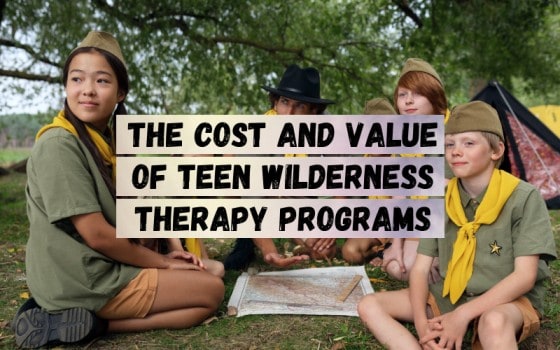

Imagine your teen, usually quiet and guarded in a counselor’s office, suddenly lighting up as they help a teammate over a low ropes course or laugh along a forest trail, shoulders dropping as some weight lifts. This is the heart of adventure-based counseling, a practice that turns nature and challenge into safe ground for real growth. It isn’t just about outdoor fun; it’s a thoughtfully guided therapy proven to help teens build the kind of confidence and skills that last long after the adventure ends.
- Adventure-based counseling is an experiential therapy using challenges like hiking and ropes courses, guided by a licensed therapist to promote personal growth.
- Activities are intentionally designed to build trust, communication, and problem-solving skills, which are processed in debriefing sessions with a therapist.
- It effectively helps teens struggling with anxiety, trauma, and low self-esteem by building resilience and confidence through overcoming tangible, physical challenges.
- This therapy works best when combined with other treatments like CBT and DBT in a comprehensive plan to create lasting change.
What Is Adventure Therapy Counseling?
Adventure-based counseling, often called adventure therapy, is a form of experiential therapy that uses the power of nature and challenging activities to help teens work through emotional and behavioral hurdles. Think of it as therapy in motion. Instead of sitting in an office, adolescents engage in activities like hiking or group challenges, all under the guidance of a licensed mental health professional.
This isn’t just a fun outing; it’s a structured treatment approach. What makes it different from a recreational trip is the intentional “debriefing” afterwards. A therapist helps teens process the experience, connecting what they learned, like trusting a teammate on a ropes course, to real-life situations. This method of experiential learning helps teens build resilience and new coping skills in a way that feels natural and engaging. It’s one of many effective teen therapies that move beyond traditional talk therapy to create lasting change.
Types of ABC
Adventure-based counseling is flexible, with activities tailored to fit the group’s needs and the therapeutic goals. The “adventure” can be anything from a simple team-building game on a treatment center’s lawn to a multi-day backpacking trip in the wilderness. The key is creating experiences that challenge teens in a safe and supportive way. Here are some common activities:
- Cooperative games: These activities are designed to build trust, communication, and problem-solving skills right from the start. They often serve as a foundation before moving on to more complex challenges.
- Ropes courses: Both low and high ropes courses are powerful tools. Low courses focus on teamwork and building trust at the ground level, while high courses challenge individuals to face fears and build confidence with the support of their group.
- Rock climbing: This activity requires focus, trust, and perseverance. It’s a powerful metaphor for overcoming personal obstacles one step at a time.
- Backpacking and hiking: Navigating trails and living simply in nature helps foster resilience, self-reliance, and an appreciation for teamwork. These journeys into wilderness therapy settings teach teens they can handle more than they thought possible.
- Kayaking or canoeing: Water-based activities encourage communication and cooperation, as teens often need to work together to navigate effectively.
Benefits of the Adventure Therapy Program
When a teen successfully navigates a tricky part of a trail or helps a peer over a wall, they aren’t just having an adventure; they’re rewriting their own story. The benefits of adventure-based counseling go far beyond the activities themselves. Overcoming tangible, physical challenges provides a powerful metaphor for facing emotional ones, showing adolescents that they are capable and strong. This process builds genuine self-esteem and resilience.
Research shows that teens who participate in adventure therapy experience significant improvements in self-concept and confidence. They learn to communicate more effectively, trust others, and solve problems collaboratively. At Key Healthcare, we see how these experiences become a vital part of a teen’s healing journey. By integrating the lessons from adventure therapy into our broader teen treatment programs, we help adolescents build coping skills that support lasting recovery from anxiety, depression, and trauma.
Who Can Benefit from Adventure Therapy Activities
Adventure-based counseling can be a transformative experience for many adolescents, especially those who may not connect with traditional talk therapy. It’s a particularly good fit for teens who are:
- Struggling with anxiety or depression and could benefit from building confidence in a new environment.
- Dealing with the effects of trauma or PTSD, physical challenges can help them reconnect with their bodies in a safe, empowered way. Read more about our approach to teen trauma and its treatment.
- Facing challenges with substance abuse, where learning resilience and healthy coping skills is essential for recovery.
- Experiencing low self-esteem or having difficulty communicating their feelings.
- Exhibiting behavioral issues, as it helps them learn accountability and teamwork.
- Part of families looking to improve their dynamics, as adventure-based activities can be used in family therapy to rebuild trust and communication.
Effectiveness of Adventure Activities
You might be wondering if this approach truly works. The research is compelling. One foundational meta-analysis found that 62% of adolescents in an adventure therapy group were better equipped to handle personal challenges compared to those who weren’t. More recent studies continue to highlight its effectiveness in improving coping skills, resilience, and self-esteem.
However, it’s important to have a balanced perspective. Adventure therapy requires a certain level of physical participation, so it may need to be adapted for different abilities, and safety is always the top priority. It’s not a standalone cure but a powerful tool. Its true strength is unlocked when it’s part of a comprehensive treatment plan. By combining experiential activities with evidence-based clinical therapies like cognitive behavioral therapy (CBT) and dialectical behavior therapy (DBT), we can help teens process their experiences on a deeper level and translate their newfound confidence into lasting change.
Frequently Asked Questions
In an adventure therapy program, participants are often placed in situations with a high perceived risk, such as rappelling or navigating a high ropes course. While the adventure therapist ensures the environment is physically safe, the mental challenge creates space for participants to feel real-time stress. By using therapeutic techniques, clients learn to process emotions and manage their “fight or flight” response. This practice leads to better emotional regulation and psychological well-being, as participants prove to themselves they can remain calm and communicate effectively under pressure.
Unlike traditional therapy, where a client might only talk about their goals, adventure-based counseling is highly active. Through experiential education, a young adult or child completes physical challenges that provide immediate, tangible proof of their abilities. Successfully reaching the top of a rock wall or finishing a difficult hike builds self-efficacy and a stronger self-concept. These adventure experiences provide achievable goals that directly counter the negative self-talk often associated with mental illness and low self-esteem.
Yes, adventure-based therapy is an effective treatment option for substance abuse and various behavioral problems. In many wilderness therapy programs or residential treatment centers, the focus is on self-reliance and positive behavior. By removing the distractions of everyday life and replacing them with outdoor activities, participants must rely on their own skill development and the support of the small group. This shift in environment helps break the cycle of addiction and fosters positive change by teaching participants how to find natural “highs” through physical activity and connection.
Finding the Right Path with Adventure-Based Counseling
Adventure-based counseling offers a unique and effective way to engage teens in their own healing, building real-world skills and confidence that lasts. When integrated into a comprehensive and holistic treatment plan, it can be a powerful catalyst for growth and recovery. It’s about helping your teen discover their own strength, one step, climb, or paddle at a time.
If you feel this could be the right path for your teen, we’re here to help you explore the options. Taking that first step can feel overwhelming, but you don’t have to do it alone. Learning more about recommended adolescent programs can provide the clarity and hope you’re looking for. Please don’t hesitate to call us at (800) 421-4364 to speak with someone who understands. At Key Healthcare, we are committed to providing compassionate, effective care that empowers your entire family to heal. You can also contact us to start the conversation.
Sources
- PubMed Central. (03-01-2017). Family Enrichment Adventure Therapy: A Mixed Methods Study Evaluating an Experiential Intervention for Families in Child Welfare. National Institutes of Health.
- PubMed. (10-24-2016). Wilderness adventure therapy effects on the mental health of youth participants. National Library of Medicine.
- Wiley Online Library. (04-16-2025). Navigating Adventure Therapy: Using Existential Theory as a Guide. Journal of Humanistic Counseling.
- ADA National Network. (01-01-2020). The Americans With Disabilities Act, Addiction, and Recovery for Government Programs and Activities. ADA National Network.
- National Institute on Drug Abuse. (07-06-2020). Treatment and Recovery. National Institute on Drug Abuse.
- Substance Abuse and Mental Health Services Administration. (07-28-2025). SAMHSA Releases Annual National Survey on Drug Use and Health. Substance Abuse and Mental Health Services Administration.
- University of Mississippi. (06-25-2025). Exploration of Adventure-Based Counseling and Its Impact on At-Risk Youth. eGrove.
- Washington State Institute for Public Policy. (06-30-2022). Wilderness Therapy Programs: A Systematic Review of Research. Washington State Institute for Public Policy.
- PubMed Central. (01-15-2023). Self-management, self-care, and self-help in adolescents with emotional problems. National Institutes of Health.
- Substance Abuse and Mental Health Services Administration. (04-24-2023). Find Help and Treatment for Mental Health, Drug, Alcohol Issues. Substance Abuse and Mental Health Services Administration.
- Substance Abuse and Mental Health Services Administration. (01-08-2025). Evidence-Based Practices Resource Center. Substance Abuse and Mental Health Services Administration.
Request a Call
Is your teen struggling with mental health or substance use challenges?
Request a confidential call today – our team will walk you through the admissions process, treatment options, costs, and what to expect. Reaching out is a powerful first step toward a healthier future for your teen and your family.
"*" indicates required fields
Author

Ryan, Blivas
Ryan Blivas is a behavioral healthcare entrepreneur and teen mental health advocate dedicated to combating the mental health crisis in America. As the Co-Founder of Key Healthcare, he oversees a comprehensive network of care, including a residential treatment center in Malibu and outpatient clinics in West Los Angeles, all designed to support teens struggling with mental health and substance use disorders. A contributor to Entrepreneur Magazine, Ryan combines business acumen with a deep commitment to advocacy, driven by a mission to help families in despair find hope and lasting recovery.
Medically reviewed by

Elnaz Mayeh PhD, LMFT
As Executive Director, Dr. Mayeh is dedicated to maintaining Key Healthcare’s reputation as a premier adolescent treatment center, fostering a stable and supportive environment for both clients and staff. Her leadership focuses on clinical integrity, staff development, and creating a culture of compassion and growth.