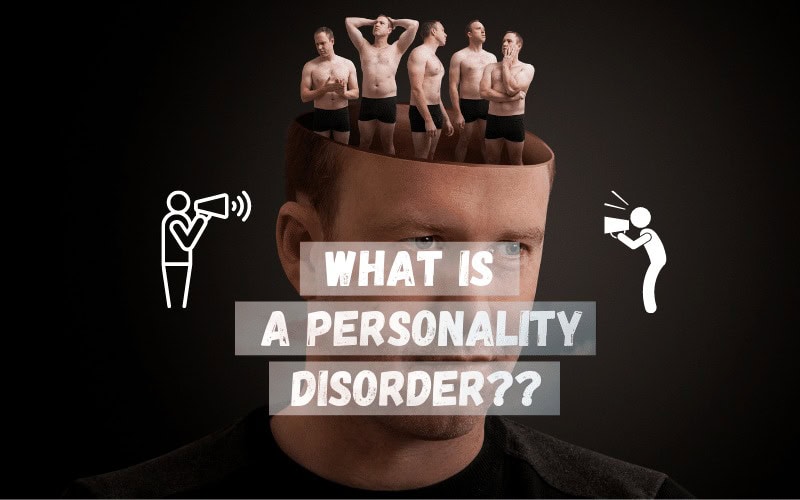

Living with obsessive-compulsive disorder (OCD) can feel like your mind is stuck in a loop. When those obsessions are sexual, it adds layers of shame, fear, and confusion that can be incredibly isolating. If you’re a teen or the parent of a teen experiencing this, you might feel lost and unsure where to turn. It’s important to know that you’re not alone and that what you’re going through has a name: sexual OCD. This is a common subtype of OCD, and it has nothing to do with your character, morals, or true desires. It’s a treatable mental health condition, and understanding it is the first step toward finding relief.
- Sexual OCD involves unwanted, intrusive thoughts that are out of line with your values, causing intense anxiety and distress.
- Compulsions like mental reviewing, checking physical responses, and seeking reassurance are performed to reduce anxiety but only strengthen the OCD cycle.
- The most effective treatment is Exposure and Response Prevention (ERP) therapy, which helps you face fears without performing compulsions.
What is Sexual OCD?
Sexual OCD is a form of obsessive-compulsive disorder where a person experiences unwanted, intrusive thoughts and images of a sexual nature. These aren’t passing thoughts; they are persistent, distressing, and completely out of line with the person’s values. This is what experts call “ego-dystonic”; the thoughts feel alien and horrifying because they clash with who you know you are. This conflict is what fuels the intense anxiety and distress associated with the condition.
These sexual obsessions can take many forms, but they often latch onto a person’s deepest fears. While it can feel incredibly real in the moment, it’s crucial to understand that having these thoughts does not mean you want to act on them. In fact, the distress they cause is a clear sign that they are unwanted. Studies show that a significant number of adolescents with OCD experience sexual obsessions, with one study finding that 18% of teen participants reported them.
Many teens struggling with this wonder, “How do I know I’m not really gay/straight?” This question gets to the heart of how OCD works. It attacks your sense of certainty about your own identity. Genuine exploration of sexual orientation is typically driven by curiosity and self-discovery. It may be confusing, but it doesn’t usually come with the crippling fear and repetitive, ritualistic behaviors that define OCD. With sexual OCD, the core fear isn’t about your orientation itself, but the terrifying uncertainty that the intrusive thoughts create.
Common Symptoms of Sexual OCD
Sexual OCD, like other forms of obsessive-compulsive disorder, involves two key components: obsessions and compulsions. Obsessions are the intrusive thoughts, images, or urges that pop into your mind against your will. Compulsions are the things you do to try to get rid of the anxiety caused by the obsessions. For a teenager, these symptoms can be especially disruptive, affecting everything from schoolwork to friendships.
Common themes for sexual obsessions often include profound fears of acting on an unwanted impulse. This might manifest as a fear of being a pedophile, intrusive thoughts about family members or religious figures, or a persistent preoccupation with your sexual orientation (sometimes called SO-OCD). For a teenager navigating an already complex social world, these obsessions can lead to significant avoidance. You might start to withdraw from friends, skip social events, or avoid being alone with certain people out of fear. This can make it incredibly difficult to concentrate in school or build the close relationships that are so important during adolescence.
Common Compulsions of Sexual OCD
To cope with the distress of their obsessions, individuals with sexual OCD perform compulsions. These rituals can be overt actions that others might see, but often, they are covert mental rituals that no one else is aware of. The goal is always the same: to reduce anxiety or prevent a feared outcome, but the relief is only temporary.
- Mental Reviewing: Constantly playing back past conversations or interactions to check for “proof” about your sexual orientation or to ensure you didn’t act inappropriately.
- Checking for Physical Responses: Repeatedly monitoring your body for signs of arousal in response to a trigger, like checking for a “groinal response.” This is often a confusing and unreliable measure, as anxiety itself can cause physical sensations.
- Avoidance: Steering clear of people, places, movies, or even words that might trigger your obsessions. A teen might avoid sitting next to a same-sex friend or refuse to watch a certain TV show.
- Reassurance Seeking: Repeatedly asking others for confirmation that you’re a good person or that your fears are irrational. This can also involve endlessly searching online for answers to your questions.
- Mental Rituals: Trying to neutralize a “bad” thought by thinking a “good” thought, praying, or repeating certain phrases in your head to cancel out the obsession.
Recognizing these patterns is a vital step. While these compulsions might feel like they’re helping in the short term, they only strengthen the cycle of OCD. For parents and teens, understanding the symptoms of teen OCD is the first move toward getting effective help.
What Are Treatment Options for Sexual OCD?
Hearing that sexual OCD is a treatable condition often brings a wave of relief. While the thoughts can feel powerful and overwhelming, you don’t have to be controlled by them forever. The goal of treatment isn’t to erase intrusive thoughts, everyone has strange thoughts from time to time, but to change your relationship with them so they no longer cause distress. Evidence-based therapies have a very high success rate in helping people manage their symptoms and reclaim their lives.
The most effective treatments for all forms of OCD, including sexual OCD, are a specific type of cognitive behavioral therapy (CBT). It’s important to work with a therapist who is trained in these methods. Family involvement can also be a critical part of the healing process, as a supportive home environment helps a teen feel safe and understood. According to research, family involvement in the psychological treatment of OCD can significantly improve outcomes for adolescents. If your teen is struggling, Key Healthcare offers specialized, compassionate care rooted in proven therapies like cognitive behavioral therapy. Contact us for a free assessment to learn how we can help.
Exposure and Response Prevention Therapy
Exposure and response prevention (ERP) is considered the gold-standard treatment for OCD. It sounds intimidating, but it’s a gentle, gradual process that helps you face your fears without performing compulsions. The “exposure” part involves confronting the thoughts, images, and situations that trigger your anxiety in a controlled and systematic way. The “response prevention” part is where you learn to resist the urge to perform your usual compulsive rituals.
For example, a teen with SO-OCD might be asked by their therapist to sit next to a same-sex friend they’ve been avoiding (the exposure). During that time, they would work on resisting the compulsion to mentally scan for feelings of attraction (the response prevention). Over time, your brain learns that the anxiety goes away on its own, without the need for a ritual. This process, called habituation, retrains your brain to stop sending false alarm signals. It’s always done under the guidance of a trained therapist who ensures the process is safe, manageable, and effective.
Frequently Asked Questions
Sexual orientation OCD, often called SO-OCD or sometimes referred to as homosexual OCD, is a form of obsessive compulsive disorder where obsessive thoughts center around one’s sexual orientation and sexual identity. A person may experience intrusive thoughts about being attracted to the same sex or opposite sex, even if it conflicts with their lived experience.
This can feel like a full sexual orientation crisis, where someone is repeatedly questioning “am I gay or straight?” or fearing they might act gay or lose control in sexual situations. These obsessive doubts are not about discovering true identity. They are driven by anxiety, not genuine exploration of human sexuality.
OCD symptoms in sexual OCD often include intrusive doubts, obsessive fear, and anxiety-inducing phrases that feel impossible to ignore. These thoughts may focus on being a gay person, losing one’s true self, or suddenly changing sexual identity.
Common presentation includes:
• Sexual orientation obsessions about same gender or opposite sex attraction
• Fearful thoughts triggered by sexual content or everyday interactions
• Heightened awareness of physical sensations or sexual arousal
• Repeatedly questioning one’s sexual orientation
• Obsessive thoughts that feel inconsistent with a person’s true identity
These intrusive thoughts create more distress because they target something deeply personal.
Compulsions in SO-OCD can be both overt rituals and internal behaviors. Mental compulsions are especially common and often go unnoticed.
Examples include:
• Reassurance seeking from others or online (“Do I seem gay?”)
• Mentally reviewing past relationships or sexual situations
• Testing reactions to same sex or opposite sex individuals
• Avoiding gay people, straight people, or triggering environments
• Trying to “figure things out” to get certainty about true sexual orientation
These compulsions temporarily reduce anxiety but ultimately keep the OCD cycle going and make symptoms worse over time.
Finding Hope and Support for Teens with Sexual OCD
At Key Healthcare, we specialize in creating a safe and trusting environment for adolescents. We use a trauma-informed approach, which is vital for teens who are dealing with the deep shame that often comes with sexual obsessions. Our team understands that many teens with OCD also struggle with co-occurring conditions like anxiety or substance use, and we are equipped to provide comprehensive care that addresses all aspects of their well-being. Knowing the treatment options for teen OCD symptoms is the first step.
Remembering that you are not alone in this is crucial. The compassionate team at Key Healthcare is here to support your family every step of the way. If you’re ready to learn more about how we can help, contact our team or call us at (800) 421-4364.
Sources
- National Library of Medicine. (August 11, 2022). Psychodynamic perspective of sexual obsessions in obsessive-compulsive disorder. PubMed Central.
- National Library of Medicine. (September 26, 2025). Sexuality and related disorders in OCD and their symptoms. PubMed Central.
- National Library of Medicine. (May 5, 2014). Family involvement in the psychological treatment of obsessive-compulsive disorder. PubMed Central.
- National Library of Medicine. (May 30, 2012). Common pitfalls in exposure and response prevention (EX/RP) for obsessive-compulsive disorder. PubMed Central.
- National Library of Medicine. (March 7, 2022). Trauma-informed care for hospitalized adolescents. PubMed Central.
- SAMHSA. (June 9, 2023). SAMHSA’s National Helpline. SAMHSA.
- Journal of Clinical Psychology. (September 18, 2016). Managing family accommodation of OCD in the context of treatment refusal: A case study. Wiley.
- Brigham Young University. (February 12, 2025). Pediatric obsessive-compulsive disorder: Why family intervention matters. BYU ScholarsArchive.
- Yale School of Public Health. (September 17, 2024). Family accommodation in obsessive-compulsive disorder. Yale School of Public Health.
Request a Call
Is your teen struggling with mental health or substance use challenges?
Request a confidential call today – our team will walk you through the admissions process, treatment options, costs, and what to expect. Reaching out is a powerful first step toward a healthier future for your teen and your family.
"*" indicates required fields
Author

Ryan, Blivas
Ryan Blivas is a behavioral healthcare entrepreneur and teen mental health advocate dedicated to combating the mental health crisis in America. As the Co-Founder of Key Healthcare, he oversees a comprehensive network of care, including a residential treatment center in Malibu and outpatient clinics in West Los Angeles, all designed to support teens struggling with mental health and substance use disorders. A contributor to Entrepreneur Magazine, Ryan combines business acumen with a deep commitment to advocacy, driven by a mission to help families in despair find hope and lasting recovery.
Medically reviewed by

Elnaz Mayeh PhD, LMFT
As Executive Director, Dr. Mayeh is dedicated to maintaining Key Healthcare’s reputation as a premier adolescent treatment center, fostering a stable and supportive environment for both clients and staff. Her leadership focuses on clinical integrity, staff development, and creating a culture of compassion and growth.