
In the world of sports, we celebrate physical strength, speed, and agility. But what about the mental side of the game? For student-athletes, the pressure to perform on the field and in the classroom can feel overwhelming. While they often report better overall mental health than their peers, there’s a concerning gap: they are far less likely to seek help when they need it. This isn’t a sign of weakness, but a reflection of a sports culture that often misunderstands what true strength looks like. Here’s a closer look at the impact of mental health in sports.
- Sports culture often promotes a "mental toughness" that creates a stigma, stopping young athletes from seeking help for issues like teen anxiety.
- Common mental health issues for athletes include anxiety, depression, and burnout, which can be triggered by injuries and the intense pressure to win.
- Parents and coaches should watch for behavioral, emotional, and performance-related signs like withdrawal, irritability, a drop in performance, or loss of motivation.
- Creating a supportive team culture where athletes feel safe to talk, and teaching coping skills like mindfulness, are crucial for protecting mental well-being.
The Importance of Mental Health in Sports
Think of mental well-being as the unsung hero of peak athletic performance. It’s just as vital as physical conditioning, yet it’s often pushed to the sidelines. A clear and focused mind allows an athlete to stay resilient under pressure, make split-second decisions, and bounce back from setbacks. When an athlete’s mental health is strong, their focus sharpens and their ability to perform consistently improves. It’s the core engine that drives everything else.
For too long, the culture of sports has promoted a version of “mental toughness” that suggests pushing through pain, ignoring emotions, and never showing vulnerability. This creates a powerful stigma that can stop young athletes from speaking up. They might worry about being seen as weak or losing their spot on the team. The reality is, acknowledging and addressing mental health challenges is one of the bravest things an athlete can do. It’s about building sustainable strength, not just temporary grit. Understanding the unique pressures that come with teen anxiety in competitive environments is the first step toward changing this conversation.
For adolescent athletes, this pressure is even more intense. Their identity can become completely wrapped up in their sport, making injuries or performance slumps feel like a personal crisis. Juggling the demands of training, competition, and academics leaves little room for anything else. True well-being for student-athletes means supporting both their physical and mental fitness, creating an environment where it’s okay to not be okay.
Mental Health Issues Affecting Athletes
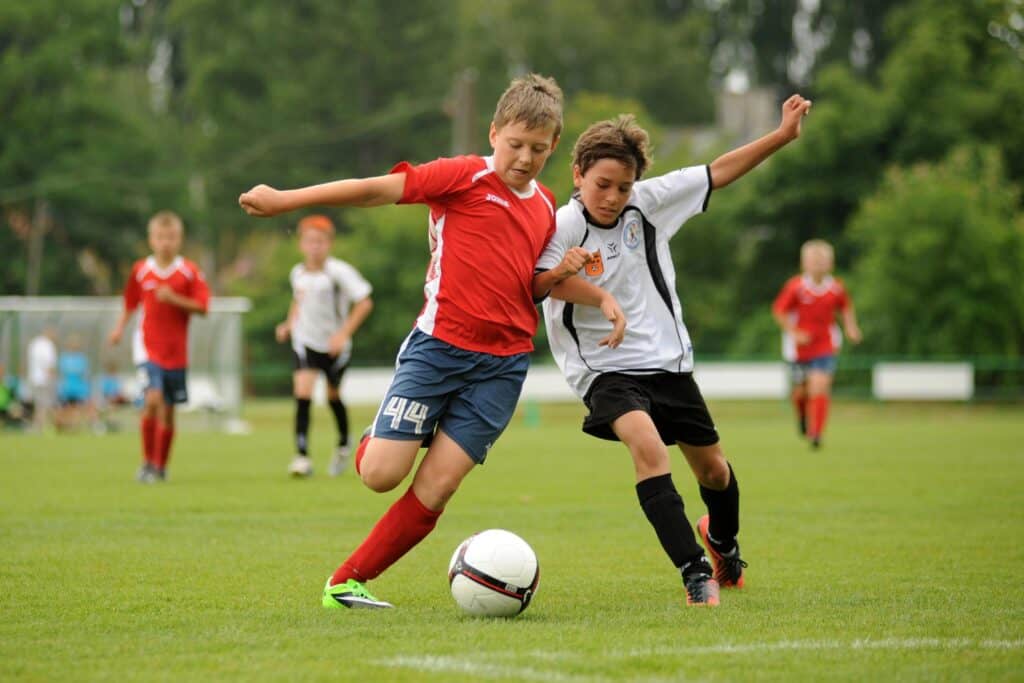
Beneath the surface of competition, many athletes are struggling. The same drive that pushes them to succeed can also make them vulnerable to a range of mental health issues. Anxiety and depression are incredibly common, fueled by the constant pressure to perform and the fear of failure. Research shows that up to 35% of elite athletes experience a mental health crisis, and the numbers are just as concerning for younger competitors. Burnout is another significant challenge, as the relentless cycle of training and competition can leave student-athletes feeling mentally and emotionally exhausted.
Several triggers are unique to the world of sports. A serious injury can be devastating, not just physically but emotionally, leading to a loss of identity and purpose. The intense pressure to win, combined with public scrutiny and team conflicts, can create a perfect storm for anxiety and depression.
For some, their entire sense of self is tied to their success, making any setback feel catastrophic. In some cases, teen athletes may turn to substance use as a way to cope with the overwhelming stress. These aren’t isolated incidents; they are systemic issues that require understanding and support. Learning the symptoms of depression in adolescence can help parents and coaches spot the signs early.
Signs of Mental Health Changes in Athletes
It’s not always easy to see when an athlete is struggling, especially when they’re trained to appear strong. However, there are subtle shifts in behavior, emotion, and performance that parents and coaches can watch for. Recognizing these signs is the first step toward getting them the support they need.
- Behavioral Signs: Withdrawing from teammates and friends, changes in sleep or eating habits, neglecting responsibilities, or increased risk-taking behaviors.
- Emotional Signs: Increased irritability or anger, persistent sadness or hopelessness, frequent mood swings, or expressing feelings of worthlessness.
- Performance-Related Signs: A sudden drop in performance, loss of motivation or passion for the sport, difficulty concentrating during practices or games, or expressing constant worry about performance.
How to Help Athletes with Mental Health
Creating a network of support around an athlete is the most powerful way to protect their mental well-being. This starts with destigmatizing the conversation. When high-profile athletes like Michael Phelps share their struggles with depression and anxiety, it sends a powerful message: mental health is part of the human experience, not a flaw. It normalizes seeking help and shows that vulnerability is a form of strength. This open dialogue helps dismantle the old idea that athletes must be invincible.
Parents and coaches can introduce practical coping skills to help athletes build resilience. Techniques like mindfulness can help them stay grounded and manage performance anxiety, while positive self-talk can counteract negative thought patterns. Shifting the focus from outcomes (like winning or losing) to effort and personal growth can also reduce pressure and make sports more rewarding. By equipping athletes with these tools, you’re giving them skills that will last a lifetime, both on and off the field. Exploring different evidence-based therapies for teens can provide structured support for developing these coping mechanisms.
Support Athletes’ Mental Health by Building a Supportive Team Culture
A positive and supportive team culture can be one of the strongest protective factors for a young athlete’s mental health. When a team feels like a safe space, players are more likely to speak up when they’re struggling and support one another through challenges. Coaches play a huge role in shaping this environment by making it clear that the well-being of their athletes is their top priority.
When teammates feel connected and valued as people, not just as players, the entire team becomes more resilient. This kind of environment fosters not only better athletes but healthier individuals. Fostering connections through activities like teen group therapy can also strengthen these supportive bonds.
- Prioritize regular check-ins: Make time for one-on-one conversations that aren’t just about performance. Ask how they’re doing outside of the sport.
- Celebrate effort and growth: Acknowledge hard work, resilience, and personal improvement, not just wins and stats. This helps build self-esteem that isn’t tied solely to outcomes.
- Encourage peer support: Create opportunities for teammates to connect and support one another. A team that looks out for each other is a powerful defense against mental health struggles.
- Make resources visible: Post information about mental health resources in the locker room or team meeting area. Normalize the idea of seeking help by talking about it openly.
Frequently Asked Questions
Mental health plays a huge role in how athletes perform, feel, and function both on and off the field. Whether we’re talking about student athletes, college athletes, or professional athletes, mental health directly impacts athletic performance, cognitive performance, and overall well being.
An active lifestyle and physical activity can support good mental health, improve self esteem, and help the body adapt to stress. But at the same time, competitive sports can bring intense pressure, unrealistic expectations, and mental stress that affect a person’s mental health just as much as their physical health.
Sports organizations, coaches, and support staff play a critical role in supporting athlete mental health. Athletic trainers and performance psychology professionals can help assist athletes in managing both physical and mental health conditions.
Ways to support mental health include:
• Providing access to mental health resources and human services
• Encouraging open conversations to improve mental health literacy
• Recognizing mental health symptoms and early mental health indicators
• Reducing stigma around mental illness and seeking help
• Building a strong support system for athletes
When organizations actively support mental health, it creates a significant difference in both well being and athletic performance.
When physical and mental health are both prioritized, athletes are more likely to reach peak performance while maintaining long-term health.
Some key benefits include:
• Better self confidence and self esteem
• Improved problem solving skills and focus
• Reduced risk factors for mental health disorders
• Enhanced athletic performance and consistency
• Lower risk of falling ill or experiencing burnout
Supporting both physical exercise and psychological well being helps athletes not just play sports, but truly thrive in many aspects of life.
Supporting Mental Health Challenges in Student Athletes
Navigating the pressures of sports and life requires more than physical talent; it demands mental and emotional resilience. Recognizing that mental health is a key component of an athlete’s strength, not a weakness, is the first step. For teens, the challenge of balancing a singular athletic identity with academics and personal growth can be particularly tough, especially when setbacks like injuries occur.
Creating a supportive team culture where open conversations are encouraged is vital. At Key Healthcare, we specialize in helping teens build the resilience needed to thrive. If you see your teen struggling, please don’t hesitate to call us at (800) 421-4364.
A good first step is often just starting a conversation with a trusted coach or family member. If you’re not sure how to begin, our team is here to help you find the right words. Feel free to reach out to us for guidance and support.
Sources
- Baylor University. (July 22, 2024). Addressing mental health challenges for Olympic and elite athletes. Baylor University.
- Trine University. (2021). Mental toughness: The key to athletic success. Trine University.
- U.S. National Library of Medicine. (February 20, 2016). The mental health of elite athletes: A narrative systematic review. PubMed Central.
- U.S. Department of Health and Human Services. Informational materials and resources to prevent addiction related to youth sports injuries. U.S. Department of Health and Human Services.
- U.S. National Library of Medicine. (January 15, 2025). Psychological interventions to improve elite athlete mental wellbeing. PubMed Central.
- Substance Abuse and Mental Health Services Administration. (April 17, 2024). Behavioral health resources for youth. Substance Abuse and Mental Health Services Administration.
- University of Michigan. (November 17, 2021). Time for change: Mental health in athletes. University of Michigan.
Request a Call
Is your teen struggling with mental health or substance use challenges?
Request a confidential call today – our team will walk you through the admissions process, treatment options, costs, and what to expect. Reaching out is a powerful first step toward a healthier future for your teen and your family.
"*" indicates required fields
Author

Ryan, Blivas
Ryan Blivas is a behavioral healthcare entrepreneur and teen mental health advocate dedicated to combating the mental health crisis in America. As the Co-Founder of Key Healthcare, he oversees a comprehensive network of care, including a residential treatment center in Malibu and outpatient clinics in West Los Angeles, all designed to support teens struggling with mental health and substance use disorders. A contributor to Entrepreneur Magazine, Ryan combines business acumen with a deep commitment to advocacy, driven by a mission to help families in despair find hope and lasting recovery.
Medically reviewed by

Elnaz Mayeh PhD, LMFT
As Executive Director, Dr. Mayeh is dedicated to maintaining Key Healthcare’s reputation as a premier adolescent treatment center, fostering a stable and supportive environment for both clients and staff. Her leadership focuses on clinical integrity, staff development, and creating a culture of compassion and growth.