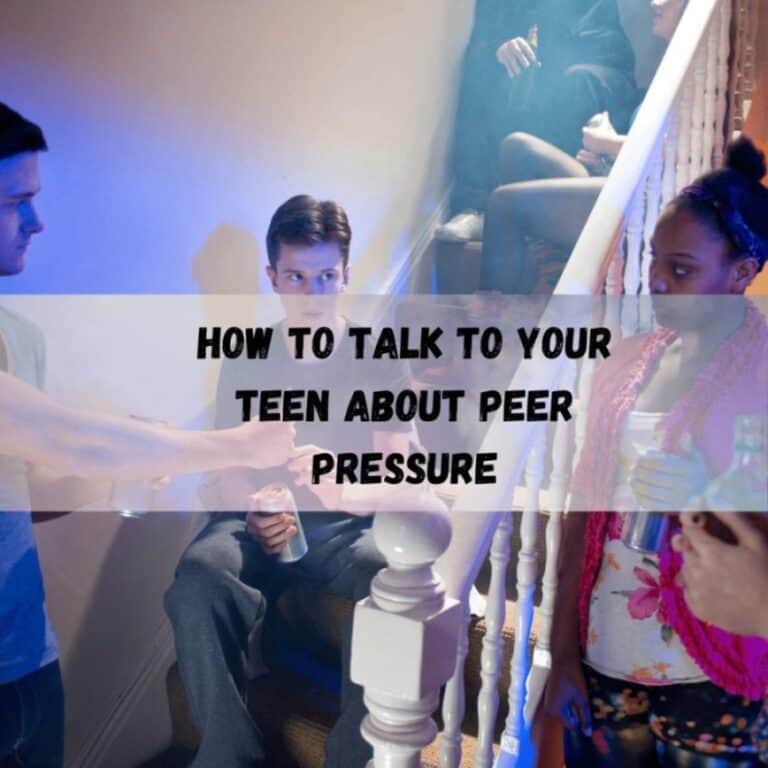
Peer pressure is the influence that friends, relatives, or peers have on one another. Although peer pressure is not always harmful, the term “pressure” indicates that the process pushes others to do activities they might not want to do otherwise. For example, peer pressure comes into play when people talk about activities that are not regarded as socially acceptable or beneficial, like experimenting with alcohol or drugs.Teens want independence from their parents and resort to friends when they want to learn new things. However, due to a lack of awareness and full cognitive development, good friends do not always realize the consequences of their actions. Below are some brilliant parenting tips on how to talk to your teen about peer pressure.
- Communicate openly about your teen's feelings, set clear expectations, and create a healthy parent-child relationship to build trust.
- Teach your teenager about risky behaviors like substance use and prepare them for possible scenarios by discussing consequences.
- Help your child choose friends who share positive values and teach them how to respond effectively to negative situations.
- Establish clear house rules and encourage your teen to think before acting, helping them learn to say "no" to harmful peer pressure.
Talking to Adolescents: The Right Thing to Say and Do
No matter your child’s mood, the best way to talk to them is to approach them nicely. Here are some tips on how you can communicate and help your teen deal with peer pressure:
- Talk to your child about their feelings and how they are spending their time with other teens.
- Communicate your expectations toward your child and vice versa. This helps create a common ground and a healthy parent-child relationship.
- Encourage your child to explore, interact, and meet new people. Support your child in doing the things they love, along with fostering positive thinking for teens, but ensure that these activities are not harmful.
- Observe how your child acts around their peers to understand how they behave when you are not around.
- Set a good example for your child. What is considered bad for them should also apply to you?
- Invite your teen’s friends over so you can learn if their behaviors are beneficial or harmful to your child.
Brilliant Ways to Teach Kids About Dealing with Peer Pressure
Positive peer pressure can contribute to the development of positive life habits. Some peers may be able to teach them valuable life lessons and inspire them. Adopting the positive behaviors of peers may have a significant impact not just on your teen’s school life but also their mindset.On the other hand, negative peer pressure is a viewpoint, habit, or lifestyle that someone dislikes or refuses to embrace. However, a peer group influences that person to do something they would not want. When teens naively follow their classmates, ignoring their own will and judgment, they might develop vices such as smoking, drinking, and substance use. Furthermore, giving in to negative peer pressure could cause your teen to lose their identity.To avoid the harmful effects of peer pressure, here are some brilliant ways to deal with the situation when the time comes:
Prepare for Possible Scenarios
Discuss age-appropriate topics openly, as well as the possible consequences of such scenarios and why these may seem tempting. You may discuss promiscuity, unprotected sex, drug use, and reasons to avoid alcohol drinking.
Talk About Risky Behaviors
Talk to them about serious, relevant issues like teens shoplifting, substance abuse since they might need to be sent for teen drug treatment. If treatment becomes necessary, discuss the essence of a teen rehab aftercare program to ensure long-term recovery and resistance against relapsing. This crucial topic is hard to discuss, so try to research as much as possible before talking to your child to ensure that you share facts, not misconceptions.
Choose the Right Friends
Help your child choose friends with the same values, ethics, and qualities. Be careful not to criticize your child’s friends by their aspects, such as economic status, but focus on how they behave.
Set House Rules
Establish clear family rules, so your teen understands their limitations and boundaries. Discuss these rules clearly with each family member to avoid misunderstandings in the future.
Discuss Effective Responses
If your child gets into a situation where peers encourage them to engage in harmful activities, they should know how to respond or get away. Teach them how they can reply appropriately, so they will not get involved in fights or misunderstandings with their peers.
Take Time to Think
To avoid being influenced, your teen should learn to think first before making potentially life-changing decisions. Logical thinking can also improve your child’s emotional intelligence, which they will need later in life.
The Strong Link Between Peer Pressure and Drugs
When we talk about substance use among teens, one of the first questions that come to mind is: “Who are their friends?” This is because most substance abuse cases are deeply rooted in peer influence, especially among teenagers. Counselors and mental health professionals firmly believe that there is a strong link between substance use and peer pressure.Depending on the social circle, peer pressure can discourage or convince someone to use drugs. According to research, teenagers have a massive impact on one another’s actions and are more inclined to take risks in groups. Peer pressure is one of the main reasons teens smoke cigarettes. A friend usually hands them one.
A Message To the Parents
Adolescents are more likely to be influenced by peers than adults. They are particularly susceptible to peer pressure because their brain has higher rewarding tendencies in this stage of cognitive development. Since human behavior is so complex and diverse, exposure to peer pressure has teens examine other people’s preferences and perspectives and apply them to their lives.Building a strong parent-child relationship can help teenagers feel more emotionally autonomous while being responsible for their actions. As a parent, it’s best to put yourself in their shoes by empathizing with their feelings or thoughts. If they approach you for advice, consider it a sign that your child trusts you. Never break that trust. Your child sees you as a confidant, believing you know more about life than they do.Encourage your child to do chores with you and to approach you whenever they have problems. Actively listen to them and express your sincerest support. Observe their behaviors as they grow up, and if necessary, set rules and conditions. Lastly, help them understand that saying “no” to peers is an appropriate response if they realize that they are doing it for their benefit.
Request a Call
Is your teen struggling with mental health or substance use challenges?
Request a confidential call today – our team will walk you through the admissions process, treatment options, costs, and what to expect. Reaching out is a powerful first step toward a healthier future for your teen and your family.
"*" indicates required fields
Author

Ryan, Blivas
Ryan Blivas is a behavioral healthcare entrepreneur and teen mental health advocate dedicated to combating the mental health crisis in America. As the Co-Founder of Key Healthcare, he oversees a comprehensive network of care, including a residential treatment center in Malibu and outpatient clinics in West Los Angeles, all designed to support teens struggling with mental health and substance use disorders. A contributor to Entrepreneur Magazine, Ryan combines business acumen with a deep commitment to advocacy, driven by a mission to help families in despair find hope and lasting recovery.
Medically reviewed by

Elnaz Mayeh PhD, LMFT
As Executive Director, Dr. Mayeh is dedicated to maintaining Key Healthcare’s reputation as a premier adolescent treatment center, fostering a stable and supportive environment for both clients and staff. Her leadership focuses on clinical integrity, staff development, and creating a culture of compassion and growth.