
Key Takeaways
- Eating disorders are serious, treatable medical illnesses—not lifestyle choices—that stem from a complex mix of biological, psychological, and social factors.
- Warning signs often manifest through behavioral changes like food rituals, emotional distress regarding body image, and physical symptoms such as fatigue or weight fluctuations.
- Early intervention using a multidisciplinary team approach, including medical, nutritional, and psychological support, is the most effective path to full recovery.
It might surprise you to know that 1 in 5 teens and young adults may struggle with disordered eating behaviors. This isn’t just a distant statistic, but something that could be quietly unfolding in your child’s classroom, on their sports team, or even at your own dinner table. If you’re feeling a tangle of worry right now, you’re not alone. The good news is that with gentle awareness and early support in eating disorders in teens, healing is possible, and hope is real, even when things feel uncertain.
What is an Eating Disorder?
First, it’s important to understand that an eating disorder is a serious and treatable medical illness, not a lifestyle choice or a phase, and many factors contribute to developing eating disorders. It’s defined by persistent, severe disturbances in eating behaviors, related thoughts, and emotions. These conditions can significantly impact a teen’s physical health, emotional well-being, and ability to function in daily life.
It’s also helpful to distinguish between a clinical eating disorder and “disordered eating.” Disordered eating describes a wide range of irregular eating habits and behaviors, like occasional bingeing or chronic dieting, that don’t meet the strict criteria for a diagnosis but are still a cause for concern. Statistics show that about 2.7% of U.S. teens have experienced a clinical eating disorder, which often co-occurs with other mental health challenges. Early intervention with proper mental health services for teens can prevent future complications.
What Are the Different Types of Eating Disorders?
Eating disorders can show up in different ways, and each has its own set of behavioral and psychological symptoms. While every teen’s experience is unique, understanding the main types and related mental health concerns can help you recognize the signs more clearly. For a deeper dive into these conditions, our ultimate guide on teen eating disorders offers more detailed information. Below are some of the most common eating disorders seen in teens.
Anorexia Nervosa
Anorexia nervosa involves restricting food intake to the point of significantly low body weight. It’s driven by an intense, persistent fear of gaining weight and a distorted body image, significantly impacting both physical and mental health. A teen with anorexia may see themselves as overweight even when they are dangerously underweight. It’s also important to know about atypical anorexia nervosa, where a person has all the symptoms of anorexia but isn’t underweight. This condition is just as serious and requires professional care.
Bulimia nervosa
Bulimia nervosa is characterized by a cycle of binge eating followed by compensatory behaviors to prevent weight gain. A binge involves eating a large amount of food in a short period while feeling a lack of control. The compensatory behavior, often called purging, can include self-induced vomiting, misusing laxatives, or excessive exercise. This cycle is often accompanied by intense feelings of shame and secrecy.
Binge eating disorder
Binge-eating disorder (BED) involves recurrent episodes of eating large quantities of food, often very quickly and to the point of discomfort. Unlike bulimia, these episodes are not followed by compensatory behaviors. Teens with BED often experience a sense of losing control during a binge and may feel guilt, distress, or shame afterward. These episodes are often a way to cope with difficult emotions.
ARFID
Avoidant/restrictive food intake disorder, or ARFID, is different from other eating disorders because it’s not driven by a fear of gaining weight or distress about body image. Instead, a teen with ARFID avoids certain foods due to sensory characteristics (such as texture), a past negative experience with food (such as choking), or a general lack of interest in eating. This avoidance can lead to significant weight loss, nutritional deficiencies, and problems with growth and development.
Signs and Symptoms of an Eating Disorder
Recognizing an eating disorder isn’t always straightforward, as many teens try to hide their behaviors. The warning signs can be subtle at first, but they often fall into three main categories. Here’s what parents and caregivers should watch for:
- Behavioral Signs: Skipping meals, making excuses not to eat, or adopting rigid food rituals. You might notice an obsession with calories, fat grams, or dieting. Other signs include withdrawing from friends and social activities, hiding food, or engaging in excessive exercise, even when tired or sick.
- Emotional Signs: A strong preoccupation with body weight and shape, intense fear of gaining weight, and distorted body image. Teens may also show signs of depression, anxiety, or irritability. Low self-esteem and perfectionistic tendencies are common.
- Physical Signs: Significant weight fluctuations (both loss and gain), dizziness, fainting, or constant fatigue. Other physical symptoms can include stomach cramps, constipation, thinning hair, dry skin, and for girls, the loss of a menstrual period.
What Causes Eating Disorders?
There is no single cause of an eating disorder. Instead, they develop from a complex mix of biological, psychological, and social factors. Genetics can play a role, meaning a teen with a family history of eating disorders may have a higher risk. Psychological traits like perfectionism, anxiety, and low self-esteem are also common risk factors.
Often, these conditions co-occur with other mental health challenges like depression or trauma. The landscape for young people has also been dramatically shaped by social media, which often promotes unrealistic body ideals and fosters a culture of constant comparison. The stress and isolation of the recent pandemic have further contributed to a rise in eating disorders among teens.
Eating Disorders Treatment
The most effective treatment for eating disorders involves a team of specialists working together. This multidisciplinary team usually includes a medical doctor to monitor physical health, a therapist to address the psychological aspects, and a registered dietitian to guide nutritional rehabilitation.
Evidence-based therapies like cognitive behavioral therapy (CBT for teens) and dialectical behavior therapy (DBT for teens) are often used to help teens change harmful thought patterns and behaviors. For adolescents, family therapy for teens (FBT) and family therapy are also highly effective, as they empower parents to support their child’s recovery at home.
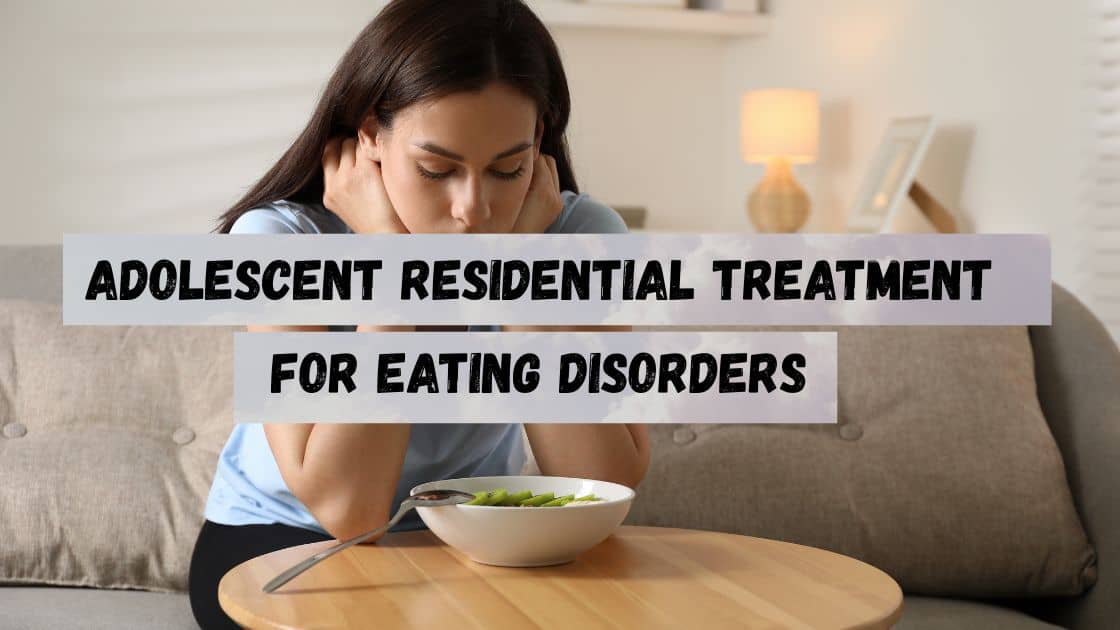
Because every teen’s needs are different, care is offered at various levels, from outpatient appointments to more intensive adolescent residential treatment for eating disorders. A comprehensive approach also addresses any co-occurring issues, ensuring your teen gets the holistic support they need to heal. Explore our residential treatment center for teens to learn more.
How Should Parents Support Their Child or Teen with an Eating Disorder
Creating a supportive home environment is a powerful part of the healing process. While professional treatment is essential, what you do at home can make a world of difference. Here are a few practical ways you can support your child:
- Focus on Open Communication: Listen to your teen’s feelings without judgment. Validate their struggles and let them know you’re on their side. Try to avoid power struggles over food.
- Model a Healthy Relationship with Food and Body: Avoid talking about diets, weight, or labeling foods as “good” or “bad.” Show your child that you enjoy a variety of foods and that you respect your own body.
- Shift the Focus Away From Appearance: Compliment your teen on their kindness, creativity, or effort, not their looks. Plan family activities that don’t revolve around food, like going for a walk, playing a game, or watching a movie together.
- Get Support for Yourself: Taking care of a child with an eating disorder is emotionally draining. It’s not selfish to seek your own support, whether through therapy, a support group, or by learning more about how parents can participate in treatment. Your well-being matters, too.
Frequently Asked Questions
Eating disorders in teens can show up in different ways, but the most common eating disorders include anorexia nervosa, bulimia nervosa, and binge eating disorder. Anorexia often involves an intense fear of weight gain and extreme restriction of food. Bulimia includes cycles of binge eating followed by behaviors to compensate, like purging or over-exercising. Binge eating disorder involves eating large amounts of food in a short time, often tied to emotional distress. These disorders go far beyond food; they’re deeply connected to mental health, body image, and self-esteem.
Some warning signs can be subtle at first, but they matter. You might notice things like skipping meals, strict rules around food, obsessing over calories, or sudden weight loss or weight gain. Teens may withdraw socially, avoid eating around others, or show increased anxiety or depression. Other red flags include excessive exercise, negative thoughts about body size, and changes in eating habits. Early intervention is so important, especially during adolescent development, when patterns can form quickly.
Eating disorders develop from a mix of risk factors. This can include mental health concerns like anxiety, depression, or obsessive compulsive disorder, along with social pressures around body image and body types. Adolescents may struggle with self-esteem, comparison, or a desire for control. In some cases, substance use disorders or other psychiatric disorders can also play a role. There’s rarely just one cause; it’s usually a combination of emotional, environmental, and biological factors.
Treating eating disorders usually involves a full treatment team consisting of health care providers, therapists, and often an adolescent psychiatrist. Treatment may include nutritional rehabilitation, individual therapy, family therapy, and medical monitoring to address any medical complications. Evidence-based approaches focus on both physical and mental health, helping teens rebuild a healthy relationship with food while also addressing underlying mental health issues.
Yes, full recovery is possible, especially with early intervention and the right support. When teens receive proper treatment, they can rebuild healthy eating habits, improve self-esteem, and strengthen their overall well-being. Recovery is a process, and it often involves support from family members, ongoing therapy, and consistent care. The sooner teens seek treatment, the better the outcomes tend to be, both physically and emotionally.
Identifying Warning Signs of Eating Disorders in Teens
If you’re reading this, you’ve already taken the first and most important step: seeking information. Remember, recovery from an eating disorder is absolutely possible, especially with early and compassionate support. By learning the warning signs, seeking a professional evaluation, and creating a supportive environment for treatment, you can guide your child toward a healthier future. You are not alone on this journey. The journey starts with understanding the signs, seeking professional guidance, and creating a circle of support for both you and your child. You don’t have to do this alone.
If you’re ready to take the next step, our teen treatment center is here to help. You can call us at (800) 421-4364 or contact us today.
Sources
- Swami, V., et al. (09-16-2014). Prevalence and severity of DSM-5 eating disorders in a community sample of adolescents. International Journal of Eating Disorders.
- American Psychiatric Association. (07-08-2025). Appendix A Table 1, Summary of DSM-5 Diagnostic Criteria for Eating Disorders. NCBI Bookshelf.
- Smink, F. R. E., et al. (06-26-2023). Eating Disorders. StatPearls – NCBI Bookshelf.
- University of Texas Medical Branch. (08-12-2020). Anorexia Nervosa in Adolescents. UTMB Health.
- Herpertz-Dahlmann, B., et al. (12-05-2023). A Narrative Review of Early Intervention for Eating Disorders and Addressing the Research Gaps. Journal of Eating Disorders.
- Mitchison, D., et al. (01-29-2024). Recovery Trajectories in Adolescent Girls with Anorexia Nervosa: Results from an Observational Study. International Journal of Eating Disorders.
- Godart, N., et al. (06-26-2020). Differences in Severity of Eating Disorder Symptoms between Adults with Comorbid Depression and/or Anxiety Symptoms and Those without. Journal of Eating Disorders.
- Substance Abuse and Mental Health Services Administration. (09-24-2025). Substance Abuse and Mental Health Services Administration Resources. SAMHSA.
Request a Call
Is your teen struggling with mental health or substance use challenges?
Request a confidential call today – our team will walk you through the admissions process, treatment options, costs, and what to expect. Reaching out is a powerful first step toward a healthier future for your teen and your family.
"*" indicates required fields
Author

Ryan, Blivas
Ryan Blivas is a behavioral healthcare entrepreneur and teen mental health advocate dedicated to combating the mental health crisis in America. As the Co-Founder of Key Healthcare, he oversees a comprehensive network of care, including a residential treatment center in Malibu and outpatient clinics in West Los Angeles, all designed to support teens struggling with mental health and substance use disorders. A contributor to Entrepreneur Magazine, Ryan combines business acumen with a deep commitment to advocacy, driven by a mission to help families in despair find hope and lasting recovery.
Medically reviewed by

Elnaz Mayeh PhD, LMFT
As Executive Director, Dr. Mayeh is dedicated to maintaining Key Healthcare’s reputation as a premier adolescent treatment center, fostering a stable and supportive environment for both clients and staff. Her leadership focuses on clinical integrity, staff development, and creating a culture of compassion and growth.