It can be unsettling to notice something different about your teen before they say a single word. Maybe they walk through the door, and their eyes seem unusually wide or slow to adjust. Maybe they feel more restless than usual, overly energized, or a little disconnected. If you’ve found yourself wondering what drugs cause dilated pupils, you’re not alone. Changes in pupil size can happen for many reasons, some completely normal, others worth paying closer attention to. The key is not to jump to conclusions based on a single sign, but to understand what it could mean in the broader context of your teen’s behavior, health, and environment.
Dilated pupils can be part of the body’s natural response to light changes, emotions, or even excitement. But they can also be linked to substances that affect the nervous system. Knowing the difference helps you move from worry to awareness, and from uncertainty to more confident, supportive action. And when questions start to feel bigger than what you can sort through alone, having access to the right guidance, including adolescent mental health treatment programs, can help families better understand what their teen may be experiencing and what next steps might look like with support from providers like Key Healthcare.
What Drugs Cause Dilated Pupils and Why It Happens
To understand what drugs cause dilated pupils, it helps to first understand what pupil dilation actually is and how it can affect pupil size under different conditions.
The dark center of the eye constantly adjusts throughout the day based on how much light enters and on the nervous system’s response to the environment. In bright light, pupils constrict to limit exposure. In darker settings, pupils dilate to allow in more light. This process happens automatically and is not something a person consciously controls.
How Pupil Dilation Works in the Body
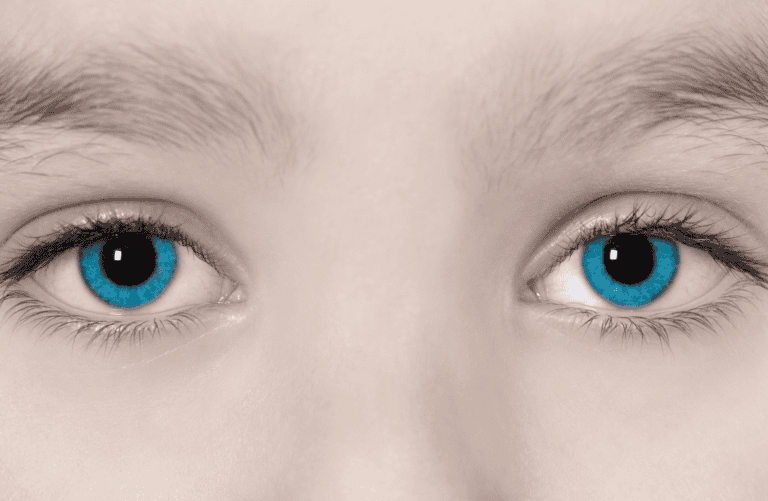
When pupils dilate beyond what seems normal for the setting, the condition is called mydriasis. This type of pupil dilation can occur when something interferes with the nervous system’s control over the muscles that regulate pupil size.
Many drugs that cause dilated pupils do this by activating the sympathetic nervous system, which controls the body’s fight-or-flight response. This can increase alertness, raise heart rate, and keep the pupils enlarged even when they would normally adjust to light changes.
How Drugs Affect Pupil Size in Teens
Certain illicit substances, along with some prescription medications, can disrupt neurotransmitters and lead to noticeable changes in the eyes. In some cases, pupils may remain enlarged for several hours and may be accompanied by blurry vision, light sensitivity, or other physical signs.
That is why drug use can sometimes show up in the eyes before a teen ever says anything out loud. While dilated pupils alone do not confirm substance abuse, they can be an early indicator that various substances are affecting the body. When this happens alongside other symptoms or behavioral changes, it may point to the need for further support, including adolescent mental health treatment programs that address both substance use and underlying emotional challenges.
How Illicit Substances Affect Pupil Size in Teens
Several illicit substances are known to cause dilated pupils, especially stimulants and hallucinogens. These drugs can cause significant pupil dilation by disrupting neurotransmitter balance and overstimulating the body’s internal alert system.
Stimulants such as cocaine, methamphetamine, and other amphetamine-based drugs often cause pupils to dilate by increasing norepinephrine and activating the sympathetic nervous system. This response can heighten alertness and energy, sometimes creating hyperfocus, restlessness, or a sense of confidence. At the same time, these substances may also lead to increased heart rate, high blood pressure, agitation, and rapid emotional shifts that can be difficult for teens to regulate.
Hallucinogens are another major category of illicit drugs that can cause dilated pupils. Substances like LSD, magic mushrooms, MDMA, and other psychedelic or recreational drugs can produce especially noticeable changes in pupil size. These drugs affect how the brain processes sensory input, sometimes leading to visual distortions, intense emotional reactions, blurry vision, and light sensitivity. In some cases, pupils may remain enlarged for several hours, depending on the substance, dosage, and the individual teen’s response.
This is one reason parents asking what drugs cause dilated pupils are often pointed toward stimulants and hallucinogens first. While dilated pupils alone do not confirm drug use or substance abuse, they are among the more visible physical signs that certain substances may be affecting the body. When combined with other concerning symptoms or behavioral changes, they may indicate a deeper issue that warrants closer attention.
Prescription Medications That Cause Dilated Pupils
Not every case of dilated pupils points to illicit drugs. Certain prescription medications can also cause pupil dilation, which can make it harder to understand what’s really going on.
Prescription stimulants used for ADHD, including Adderall and methylphenidate-based medications, may affect pupil size by increasing dopamine and norepinephrine activity. Antidepressants, particularly SSRIs and SNRIs, can also lead to mild pupil changes in some teens. In addition, some antihistamines, decongestants, and anticholinergic medications may cause pupils to dilate, sometimes accompanied by blurred vision or light sensitivity.
This is why prescription drug use should always be part of the picture. A teen taking medication as directed may experience side effects like enlarged pupils without any involvement in substance abuse. However, misuse of a prescription medication, such as taking higher doses or combining drugs, can intensify these effects and introduce additional risks.
Context is critical. If your teen is using medication as prescribed but develops persistent changes in pupil size, vision problems, or other concerning symptoms, it’s important to consult a healthcare provider. If those changes appear alongside behavioral shifts or signs of drug use, it may indicate a deeper concern that requires further evaluation and support.
Other Reasons Teens May Have Dilated Pupils
Not all dilated pupils are caused by substance abuse. That distinction is important because jumping straight to accusations can make a difficult situation even harder.
Pupils naturally change in response to bright light, darkness, stress, fear, excitement, and even sexual arousal. Some medical conditions can also affect pupil size. Neurological disorders, migraines, eye injuries, certain infections, and brain injury can all interfere with how the eyes respond. Traumatic brain injury or head trauma, in particular, may cause serious pupil abnormalities and should be treated with urgency.
Some teens also have naturally uneven or somewhat unusual pupil behavior that turns out to be benign. But if you notice persistent changes, a fixed pupil, one pupil that suddenly looks much larger than the other, or pupil changes paired with confusion, severe headache, or vision loss, immediate medical attention is necessary. That is no longer a wait-and-see moment.
An eye exam may be helpful if the problem seems primarily visual. If the concern is tied to possible drug use, emotional changes, or mental health issues, a broader evaluation may be needed. Either way, parents do not have to solve the mystery alone.

When Dilated Pupils May Point to Substance Use or Mental Health Struggles
Substance use in teens rarely exists in a vacuum. Sometimes a teen experiments out of curiosity. Sometimes drug use is tied to stress, depression, trauma, peer pressure, or attempts to numb difficult feelings. Sometimes a teen is struggling with both mental health issues and substance use at the same time.
That overlap matters. A teen using illicit drugs may also be dealing with anxiety, depression, low self-worth, social pressure, or unresolved pain. In other cases, prescription misuse may begin with a real medical need and drift into unsafe territory over time. This is why it is important to look past the symptom and ask what is driving it.
If dilated pupils are one of several signs suggesting potential substance use, it may be time to explore professional help that addresses the whole teen, not just the behavior. Programs that include mental health services for teens can be especially important when substance use is tied to anxiety, depression, or emotional dysregulation. Some adolescents may also need teen addiction treatment at a teen treatment center that addresses both substance use and the underlying reasons it escalated.
What Parents Can Do if They Notice Dilated Pupils
If you notice your teen’s pupils are dilated, start with observation rather than confrontation. The goal is to gather information, not to launch an accusation that could shut down the conversation.
Pay attention to the setting. Are they in dim light, or are the pupils large even in a bright room? Are there other symptoms present, such as restlessness, confusion, light sensitivity, or unusual behavior? Has this happened once, or are you starting to notice a pattern?
It can help to write down what you are seeing. Note the time of day, any medications your teen is taking, the behavior that accompanies the eye changes, and whether other physical signs show up. This creates a more useful picture if you need to involve medical professionals later.
Then, talk to your teen when the moment is calm. Stay grounded. Rather than leading with blame, try concern. You might say you noticed something seemed off and want to make sure they are okay. Teens may not always tell the full truth right away, but a calm approach makes it more likely that they will stay in the conversation.
If the symptoms seem severe, recurring, or paired with possible substance use, contact a healthcare provider. If there are signs of overdose, confusion, head injury, vision loss, or a nonresponsive fixed pupil, seek immediate medical attention right away.
Treatment Options and Addiction Recovery for Teens
When substance use becomes part of the picture, parents need more than guesswork. They need clear treatment options and a path forward that supports both safety and long-term stability.
Early Support and Outpatient Care
For some teens, early intervention may be enough to interrupt patterns before they deepen. This can include therapy, medication review, family counseling, and structured support. When concerns like dilated pupils, behavioral shifts, or emotional changes are caught early, outpatient care can help teens stabilize while staying connected to daily life.
Residential Treatment for Teens
When symptoms escalate or safety becomes a concern, a higher level of care may be necessary. At Key Healthcare, our residential treatment center for teens provides a structured, supportive environment where young people can step away from outside pressures and focus fully on recovery. This level of care is often appropriate when drug use, mental health challenges, or co-occurring issues are significantly affecting daily functioning.
Step-Down Programs and Continued Support
As teens make progress, continued care becomes just as important. Key Healthcare offers flexible options like PHP for teens, IOP for adolescents, and virtual IOP for teens, allowing teens to build real-world coping skills while staying connected to home, school, and family life. These programs help maintain momentum and reduce the risk of setbacks.
Why Teen-Focused Addiction Recovery Matters
Adolescents are still developing emotionally, socially, and neurologically. Because of this, addiction recovery for teens should never mirror adult treatment. At Key Healthcare, adolescent mental health treatment programs are designed to address both substance use and the underlying emotional challenges that often drive it, including anxiety, depression, and trauma.
Why Mind-Body Healing Matters in Teen Recovery
If your teen needs help, treatment should not feel like a sterile hallway of rules and fluorescent dread. Young people often respond best when care addresses the mind and body together.
That may include evidence-based therapies such as CBT for teens, DBT for teens, and family therapy for teens, along with supportive experiential approaches that help teens regulate stress and reconnect with themselves. For some adolescents, art therapy for teens helps them express what they cannot yet say directly. For others, music therapy for teens, yoga therapy, or surf therapy can support emotional regulation, body awareness, and a stronger sense of balance.
These therapies are especially valuable when a teen has been living in a state of nervous system overload. Substance use can throw the body’s rhythms out of tune. Mind-body approaches help bring the volume down so healing can actually begin.

A Compassionate Path Forward
If you are seeing patterns and are unsure what they mean, you don’t have to figure it out alone. At Key Healthcare, our team works closely with families to understand what is happening beneath the surface and guide next steps through adolescent mental health treatment programs that support both substance use and emotional well-being. If you would like to talk through what you are noticing, you can contact Key Healthcare at (800) 421-4364. You can also visit our Google listing to learn more about our programs, explore directions and hours, and see what other families have shared about their experience. Contact us today.
FAQ
Not always. While drug use can lead to noticeable changes like pupil dilation, it is not a definitive indicator on its own. Some illicit drugs and recreational drugs may cause pupils to enlarge, while others may lead to pinpoint pupils instead. Because pupil size can shift for many reasons, including lighting, emotions, or side effects of medications, it is important to consider the full picture rather than relying on eye changes alone.
A range of substances can cause pupil dilation, including stimulants, hallucinogens, and some other prescription medications. Drugs like cocaine, amphetamines, and certain psychedelics can cause pupils to remain larger than their normal size for extended periods. Even medications used for conditions like ADHD or overactive bladder may affect how pupils respond. The key difference often lies in how long the dilation lasts and whether it appears alongside other behavioral or physical changes.
If you notice persistent changes in how your teen’s pupils respond, scheduling an eye exam can be a helpful first step. A professional in clinical optometry can evaluate whether the issue is related to vision, ocular complications, or a more systemic issue. If the changes do not have a clear visual cause, your provider may recommend follow-up with other medical professionals to rule out neurological or substance-related concerns.
Yes, certain medications and eye drops can affect pupil size. Mydriatic eye drops, often used during an eye exam, intentionally dilate the pupil for a short time. In addition, some prescriptions, including antihistamines or medications with anticholinergic effects, may lead to temporary changes. These effects are usually expected and monitored, but if pupils dilate unexpectedly or remain enlarged, it is worth discussing with a healthcare provider.
Concern usually comes from context. If pupils dilate briefly and return to normal size, it may not signal a problem. However, if you notice ongoing changes, uneven pupils, or dilation accompanied by other symptoms such as confusion, vision issues, or behavioral shifts, it is important to seek guidance. A healthcare provider can help determine whether the cause is related to drug use, a medical condition, or another underlying issue that needs attention.
Sources
National Center for Biotechnology Information. (August 8, 2023). Neuroanatomy, pupillary dilation pathway. StatPearls.
National Center for Biotechnology Information. Action of dopamine on the human iris. PubMed Central.
National Institute on Drug Abuse. Prescription drug abuse. NIDA.
U.S. National Library of Medicine. (May 30, 2025). Prescription drug misuse. MedlinePlus.
Substance Abuse and Mental Health Services Administration. (June 9, 2023). National helpline for mental health, drug, alcohol issues. SAMHSA.
National Center for Biotechnology Information. (November 12, 2008). Why do many psychiatric disorders emerge during adolescence?. PubMed Central.
National Institute of Mental Health. (December 12, 2024). Child and adolescent mental health. NIMH.
Request a Call
Is your teen struggling with mental health or substance use challenges?
Request a confidential call today – our team will walk you through the admissions process, treatment options, costs, and what to expect. Reaching out is a powerful first step toward a healthier future for your teen and your family.
"*" indicates required fields
Author

Ryan, Blivas
Ryan Blivas is a behavioral healthcare entrepreneur and teen mental health advocate dedicated to combating the mental health crisis in America. As the Co-Founder of Key Healthcare, he oversees a comprehensive network of care, including a residential treatment center in Malibu and outpatient clinics in West Los Angeles, all designed to support teens struggling with mental health and substance use disorders. A contributor to Entrepreneur Magazine, Ryan combines business acumen with a deep commitment to advocacy, driven by a mission to help families in despair find hope and lasting recovery.
Medically reviewed by

Elnaz Mayeh PhD, LMFT
As Executive Director, Dr. Mayeh is dedicated to maintaining Key Healthcare’s reputation as a premier adolescent treatment center, fostering a stable and supportive environment for both clients and staff. Her leadership focuses on clinical integrity, staff development, and creating a culture of compassion and growth.