A Look Inside: Daily Life and Therapeutic Support
The idea of sending your child away can feel terrifying, largely because the daily experience remains a mystery. Demystifying a typical day in a teen residential program helps ease those fears. At our teen treatment center, our high-quality facility operates on a highly structured schedule designed to provide predictability, emotional safety, and continuous support.
Mornings usually begin early with a healthy breakfast and a group check-in to set intentions for the day. From there, teenagers move into an accredited academic block. Top programs prioritize WASC-accredited education, ensuring students do not fall behind on their high school credits while prioritizing their health. Following schoolwork, the afternoon shifts focus on intensive clinical work. This includes both individual therapy and peer group sessions.
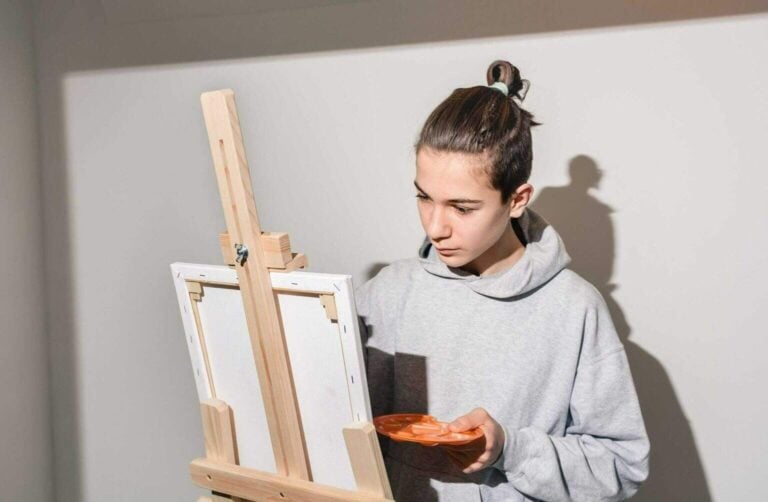
The environment is built around healing. Teens also participate in experiential therapies like art, music, or yoga to help them process emotions they cannot easily express in words. The evening brings structured recreation, a family-style dinner, and time for personal reflection before lights out. If you have been searching for teen counseling Huntington Beach or child and teen therapy Huntington Beach, a residential day program incorporates all these elements into one seamless, immersive experience.
Core Therapy Modalities for Teens
Evidence-based therapies form the backbone of the clinical day. Cognitive behavioral therapy (CBT for teens) is widely used to help teenagers identify and change negative thought patterns that drive their behaviors. It teaches them how to pause and reframe their thinking before acting out.
Dialectical behavioral therapy (DBT for teens) is another highly effective approach, particularly for teens dealing with intense emotional dysregulation and self-harm. DBT provides concrete skills for managing distress and improving emotional stability. Additionally, therapies like EMDR (eye movement desensitization and reprocessing) safely guide teens through processing deeply rooted trauma without having to verbally relive every painful detail.
The Role of Family Therapy in Lasting Recovery
Teen recovery is not an isolated event; it is a full family process. You cannot heal the teenager and then send them back into an unchanged environment and expect different results. Family therapy is a cornerstone of any effective residential program.
During family sessions, clinicians help you and your teen break down walls and rebuild trust. These sessions focus on improving vital communication skills and establishing healthy, realistic boundaries. Family therapy actively prepares your entire household for the day your teen returns home. It equips parents with the tools to support their child’s ongoing recovery, ensuring the progress made in treatment takes deep root in your family’s daily life.