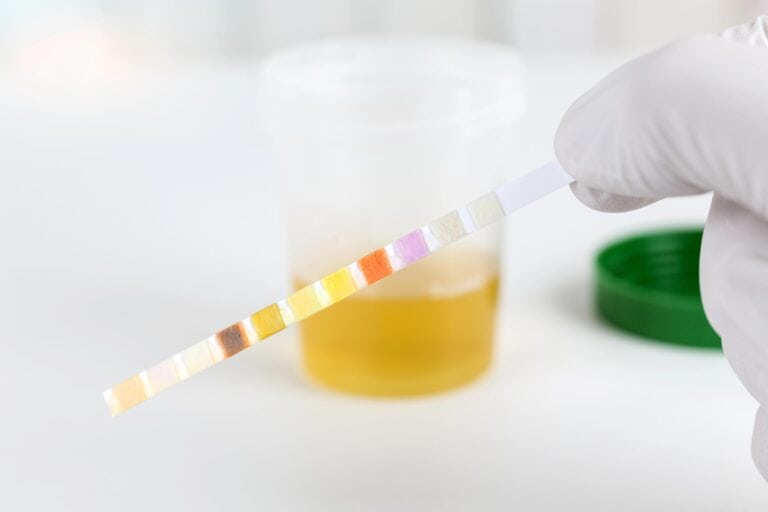
When a parent suspects their teenager is using magic mushrooms, one of the first questions is whether a drug test will show it. The answer depends entirely on what type of test is used. Standard panels do not screen for psilocybin at all, but specialized testing can detect it within a narrow window. Understanding how shrooms show up on a urine test, what factors affect detection, and what a result actually means is the starting point for making informed decisions about a teenager’s care.
What Are Mushrooms and Why Are Teens Using Them?
Magic mushrooms are a type of fungi containing psilocybin, a naturally occurring compound known for its powerful psychoactive properties. When consumed, psilocybin alters how the brain processes reality, producing hallucinations, distorted perception, and intense emotional experiences that can last several hours.
Teenagers are drawn to these substances for reasons that go beyond curiosity. Many adolescents turn to hallucinogens to self-medicate underlying mental health conditions including anxiety and depression. Peer pressure plays a significant role as well. The problem is that a teenager’s brain is still actively developing, and using psychoactive substances during this phase can severely disrupt neural development and worsen the very emotional struggles the teenager is attempting to escape.
If a teenager is using substances to cope with emotional pain, adolescent mental health treatment programs provide a clinically appropriate path toward addressing both the substance use and its underlying causes simultaneously.
Do Shrooms Show on Drug Test Panels?
Standard drug tests generally do not screen for psilocybin or psilocin. Most basic 5-panel or 10-panel tests are designed to detect more commonly used substances, including marijuana, cocaine, opioids, and amphetamines. Because a mushroom drug test requires entirely different chemical markers, psilocybin bypasses routine screenings entirely. A clean standard panel does not confirm that a teenager is drug-free.
Do mushrooms show on drug test panels at all? They can, but only through highly specialized testing. Techniques like LC-MS/MS (liquid chromatography-mass spectrometry) are used to detect hallucinogen-specific compounds. These targeted panels are typically ordered only in specific clinical or legal circumstances, such as when a physician or teen addiction treatment professional strongly suspects hallucinogen use based on behavioral or clinical evidence.
Why Psilocybin Is Not on Standard Drug Tests
The primary reason psilocybin is excluded from standard panels relates to how quickly the body processes it. Once ingested, psilocybin rapidly metabolizes into psilocin, its active form. The body clears these compounds efficiently, shrinking the detection window to a matter of hours. Because catching psilocin requires precise timing and specialized lab equipment, adding it to standard screenings is both costly and technically difficult for most testing facilities.
Psilocybin Drug Test Detection Times by Test Type
If a specialized psilocybin drug test is ordered, the detection window depends entirely on the testing method used. It is crucial to remember that detection times vary greatly from person to person. Because of this variability, timelines are always estimates rather than guarantees.
| Test Type | Estimated Detection Window | Likelihood of Use in Teen Screening |
|---|---|---|
| Urine Tests | 24 to 48 hours | Low, unless specifically requested |
| Blood Tests | 6 to 15 hours | Very low, mainly for medical emergencies |
| Saliva Tests | Up to 24 hours | Very low, rarely used for hallucinogens |
| Tests | Up to 90 days | Low, due to high cost and rarity |
Urine Tests
Do shrooms show up on a urine test when a specialized panel is requested? Yes. A targeted urinalysis can detect the lingering metabolites of psilocybin, but the window is narrow. For most teenagers, these compounds will only trigger a positive result for approximately 24 to 48 hours after ingestion, making timing a critical variable.
Blood and Saliva Tests
Blood and saliva tests are extremely rare in typical teen screening scenarios. Both methods have very short detection windows, often capturing past use for only a few hours. Medical professionals generally reserve these methods for clinical emergencies or situations immediately following suspected ingestion.
Hair Follicle Drug Tests
A hair follicle test offers the longest look into past substance use, with a detection window of up to 90 days. However, this method is expensive and uncommonly used for hallucinogens unless a comprehensive medical history is specifically required by a clinical or legal authority.
Factors That Affect Shrooms Drug Test Detection
While averages give us a general idea, several biological variables impact shrooms drug test detection times. The way a teenager’s body processes substances is highly unique. This information is purely for scientific education. There is no safe or proven way to force the body to clear these compounds faster.
Several key factors influence the exact timeline:
- Dosage and Potency: Consuming larger amounts or highly potent strains means the body requires more time to break down the chemicals.
- Frequency of Use: A teen who uses hallucinogens repeatedly may retain trace compounds slightly longer than a first-time user.
- Individual Metabolism: A faster metabolism processes substances quicker. There are many factors influencing drug metabolism in teens, including genetics and overall health.
- Body Mass and Liver Function: Healthy liver function is required to break down psilocybin. Body composition can also cause slight variations in clearance rates.
- Hydration Levels: General hydration plays a minor role in how efficiently the kidneys do their job.
Scientifically, the half-life of psilocybin is roughly 3 hours. Once it converts, the half-life of psilocin is about 1.8 hours. This rapid breakdown means that approximately 75% of psilocin is safely excreted within 3.5 hours of ingestion.
Recognizing the Signs of Hallucinogen Use in Teens
Understanding whether a mushroom drug test would detect anything is only part of the picture. Recognizing behavioral and physical signs of hallucinogen use gives parents a more complete and actionable picture of what their teenager may be experiencing. Because psilocybin clears the system quickly, behavioral observation is often more reliable than waiting for a positive test result.
Physical Warning Signs
Physical signs of psilocybin use are most visible during or shortly after ingestion, but some indicators persist beyond the acute experience. Parents should watch for:
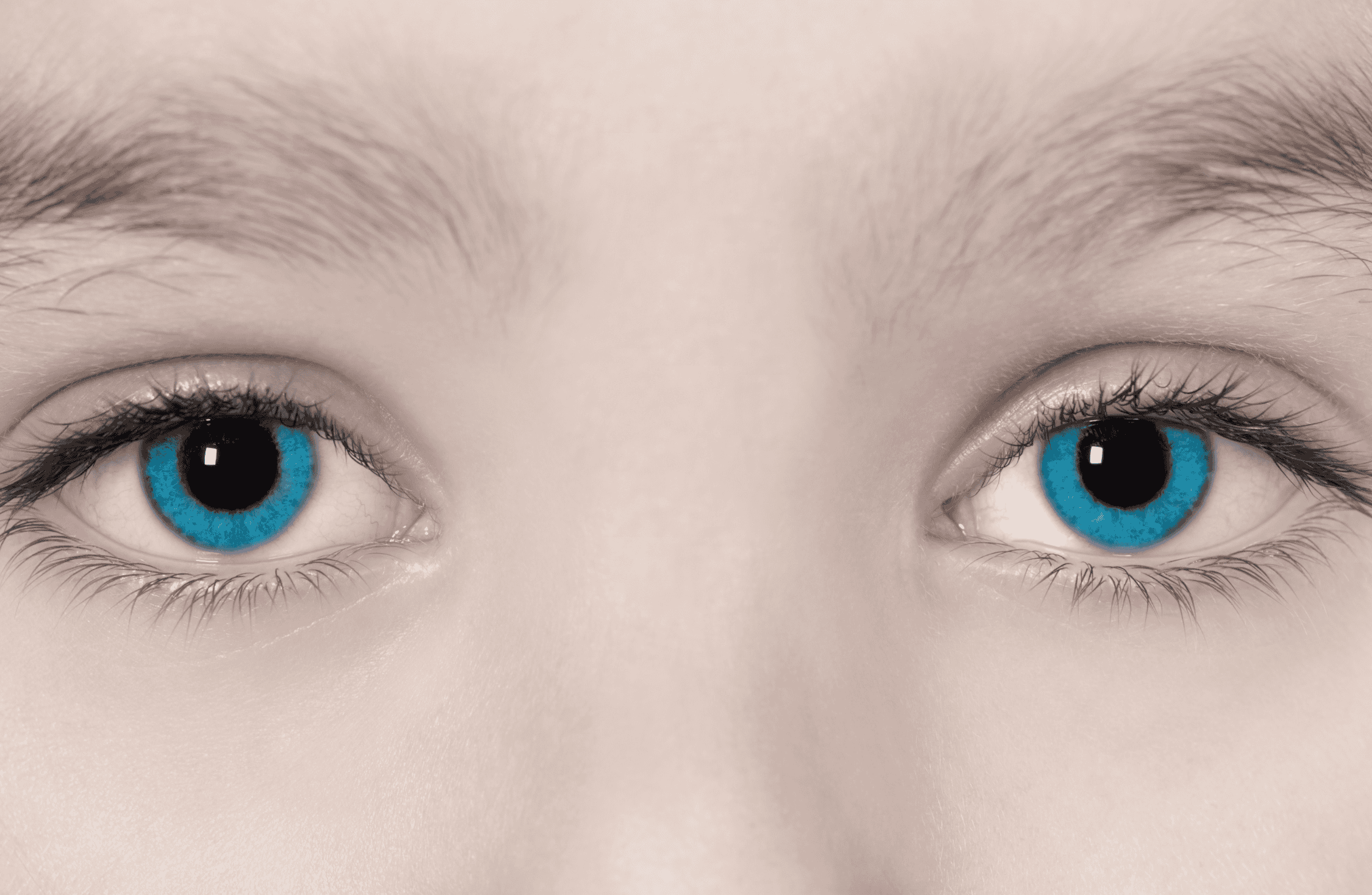
- Widely dilated pupils that appear unusually large regardless of lighting conditions
- Drastic changes in normal sleep patterns including staying awake through the night or sleeping through the day
- Unexplained shifts in appetite or energy levels that do not correspond to illness
- Flushed skin, nausea, or complaints of physical discomfort following a period of being out of contact
- Discovering dried mushrooms, unusual capsules, or packaging hidden in a bedroom, backpack, or car
If several of these signs appear together or cluster around specific time periods, that pattern is more clinically significant than any single indicator on its own and warrants a professional evaluation rather than a wait-and-see approach.
Behavioral and Emotional Warning Signs
The behavioral signs of hallucinogen use are often more persistent than the physical ones and can indicate a pattern of use rather than a single incident. These include:
- Noticeable and uncharacteristic mood swings or emotional outbursts that seem disconnected from immediate circumstances
- Confused thinking, disorganized speech, or difficulty following a conversation in the hours following suspected use
- References to altered perceptions, strange experiences, or philosophical preoccupations that emerge suddenly
- A sudden disconnection from family activities, long-term friendships, and previously enjoyed interests
- Increased secrecy around whereabouts, social contacts, and digital communication
Behavioral changes are particularly significant when they represent a clear departure from a teenager’s established baseline, meaning shifts that cannot be explained by typical adolescent development, academic stress, or a recent life event and that persist across multiple days or weeks rather than resolving on their own.
Why Hallucinogen Use Signals a Deeper Concern
Psilocybin use carries significant health risks for a developing adolescent brain. The prefrontal cortex, which governs decision-making, impulse control, and emotional regulation, is not fully developed until the mid-twenties. Introducing a powerful psychoactive compound during this critical window can disrupt neural development in ways that are not immediately visible but have lasting consequences.
Beyond the neurological risks, psilocybin use in teenagers frequently signals an underlying emotional struggle rather than purely recreational experimentation. Many adolescents who turn to hallucinogens are attempting to manage anxiety, depression, social isolation, or unresolved trauma without the clinical tools to do so safely. The substance becomes a coping mechanism, which means addressing the use without addressing what is driving it rarely produces lasting change.
The Connection Between Hallucinogen Use and Co-Occurring Conditions
Research consistently shows that adolescent substance use and mental health conditions co-occur at high rates. A teenager using psilocybin to manage emotional pain may also be dealing with clinical levels of depression, anxiety, or trauma that have gone undiagnosed or undertreated. Psilocybin can temporarily mask these symptoms while simultaneously worsening the underlying condition over time.
Effective intervention addresses both dimensions at the same time. Treating teen depression treatment needs and teenage anxiety treatment alongside substance use produces better outcomes than addressing either in isolation. For teenagers whose hallucinogen use has become a pattern rather than an isolated incident, a clinical evaluation is the most reliable way to identify what is actually driving the behavior and what level of support is needed to address it.
The Test Is a Starting Point, Not an Answer
Navigating the fears surrounding your teenager’s substance use is one of the heaviest burdens a parent can carry. While standard drug tests rarely catch psilocybin, knowing that specialized tests exist gives you a clearer picture of your options. More importantly, understanding that mushroom use often stems from deeper emotional pain allows you to shift the focus from punishment to professional treatment.
If you are seeing the signs of hallucinogen use in your home, you do not have to figure out the next steps in isolation. Reaching out for clinical guidance is the safest way to protect your child’s developing brain and overall wellbeing. Please call our clinical team at (800) 421-4364 to discuss your family’s unique situation. You can also explore the residential care options at Key Healthcare to see how our adolescent-focused environment can help your teen heal. Contact us today to schedule a confidential assessment with an admissions counselor.
FAQ
Magic mushrooms have a relatively short detection window because the body begins processing the psychoactive compound quickly after use. Psilocybin converts into psilocin, and the half life of psilocin is fairly short compared to many other drugs. In many teens, urine drug tests may only detect shrooms for about 24 hours, although factors that affect detection include age and body composition, metabolism, dosage, hydration, and how frequently the teen uses substances. Specialized drug tests may sometimes detect psilocybin mushrooms for longer periods.
Most employer drug tests, school drug screening programs, and many standard panel tests do not test for hallucinogenic mushrooms. Standard drug tests screen for more commonly abused substances and other detectable drugs rather than psychedelic compounds like psilocybin. However, specialized hallucinogen tests or certain drug tests designed specifically to detect hallucinogens may be used in rare situations involving drug related criminal cases, medical emergencies, or intensive treatment settings for teens struggling with substance use disorders.
Specialized drug testing methods such as blood tests, saliva tests, urine tests, and hair follicle test options may sometimes detect shrooms if the testing methods involved are specifically designed for hallucinogens. Standard hair tests and routine urine drug tests usually do not detect magic mushrooms for common or everyday purposes. Some specialized panel testing may be used in addiction treatment centers or healthcare settings if a teen is believed to be ingesting hallucinogenic mushrooms or experiencing mental health symptoms related to substance use.
Yes. Even though some teens believe magic mushrooms are harmless, ingesting hallucinogenic mushrooms can carry serious health risks for the developing brain. Psilocybin mushrooms may trigger anxiety, panic, hallucinations, psychosis, paranoia, or worsen underlying mental health conditions in adolescents. Teens with a history of mental health issues, substance abuse, or substance use disorders may face higher risks when using psychedelic compounds or mixing shrooms with other substances. Parents should seek support from a healthcare professional if they notice warning signs of drug abuse, sudden behavioral changes, or mental health concerns in a teen.
Sources
UVA Today. (February 27, 2024). ‘Magic mushroom’ calls growing at poison centers. UVA Today.
PubMed Central. (September 1, 2022). Association of psilocybin use in adolescents with major depressive episodes. PubMed Central.
U.S. Department of Transportation. (March 6, 2018). DOT 5 panel notice. U.S. Department of Transportation.
Federal Motor Carrier Safety Administration. (August 21, 2024). What substances are tested?. U.S. Department of Transportation.
PubMed Central. (March 25, 2025). Pharmacokinetics of psilocybin: A systematic review. PubMed Central.
Clinical Pharmacology & Therapeutics. (December 12, 2022). Pharmacokinetics and pharmacodynamics of oral psilocybin administration in healthy participants. Clinical Pharmacology & Therapeutics.
National Institute on Drug Abuse. (January 24, 2024). Psilocybin (magic mushrooms). National Institute on Drug Abuse.
SAMHSA. (June 9, 2023). National helpline for mental health, drug, alcohol issues. SAMHSA.
Request a Call
Is your teen struggling with mental health or substance use challenges?
Request a confidential call today – our team will walk you through the admissions process, treatment options, costs, and what to expect. Reaching out is a powerful first step toward a healthier future for your teen and your family.
"*" indicates required fields
Author

Ryan, Blivas
Ryan Blivas is a behavioral healthcare entrepreneur and teen mental health advocate dedicated to combating the mental health crisis in America. As the Co-Founder of Key Healthcare, he oversees a comprehensive network of care, including a residential treatment center in Malibu and outpatient clinics in West Los Angeles, all designed to support teens struggling with mental health and substance use disorders. A contributor to Entrepreneur Magazine, Ryan combines business acumen with a deep commitment to advocacy, driven by a mission to help families in despair find hope and lasting recovery.
Medically reviewed by

Elnaz Mayeh PhD, LMFT
As Executive Director, Dr. Mayeh is dedicated to maintaining Key Healthcare’s reputation as a premier adolescent treatment center, fostering a stable and supportive environment for both clients and staff. Her leadership focuses on clinical integrity, staff development, and creating a culture of compassion and growth.