"*" indicates required fields

Teen IOP Pacific Palisades, CA

If you’re searching for teen residential treatment Pacific Palisades, you’re probably carrying a lot right now. Maybe things at home feel overwhelming, or your teen is struggling in ways that feel hard to reach or fully understand. Finding the right level of care can feel confusing, but teen residential treatment offers a safe and structured space where your child can step away from daily stressors and begin to heal with real support. In Pacific Palisades, these programs are designed to meet teens where they are, offering compassionate, clinically grounded care that focuses on both mental health and long-term growth.

Insurances we Accept in Pacific Palisades

Key Healthcare works with a majority of Pacific Palisades health insurance providers and depending on your plan, 100% of the costs may be covered. Verify your insurance to get more information about your coverage.

Why Choose Residential Treatment for Teens in Pacific Palisades?

When your child is struggling with severe depression, anxiety, or a dual diagnosis involving substance use, weekly outpatient therapy often isn’t enough to keep them safe. Residential treatment provides a highly structured, 24/7 care environment that removes your teen from the daily triggers, academic stress, and negative peer influences in their current environment. This immersive approach allows them to focus entirely on their recovery.

Individualized Care Built Specifically for Teens

Key Healthcare specializes exclusively in adolescents. This is a vital distinction. A teen treatment center must understand the developing adolescent brain, which requires entirely different therapeutic approaches than adult programs. Teens need specialized communication, peer-focused group dynamics, and age-appropriate clinical care. When a program is built specifically for teenagers, they feel seen, understood, and respected.

For families in Pacific Palisades, choosing a program in the broader Southern California area offers the ideal balance. It provides enough physical distance to break negative daily cycles, while remaining close enough to allow for meaningful, consistent family therapy participation.

At the core of this environment is evidence-based care. Teens participate in core therapies like cognitive behavioral therapy (CBT for teens) and dialectical behavior therapy (DBT for teens). These therapies teach teens practical skills for emotional regulation, distress tolerance, and cognitive restructuring. When treating a dual diagnosis, where a mental health condition overlaps with substance use, a residential setting is incredibly effective. It ensures that both conditions are treated simultaneously by a coordinated medical and clinical team.

What Conditions Can Our Mental Health Pacific Palisades Facilty Treat?

Our Pacific Palisades Mental Health program at Key Healthcare treats a range of mental health and addiction conditions in teens, including depression, anxiety, trauma, bipolar disorder, substance use disorders, and much more, all within a structured, supportive, and therapeutic environment.

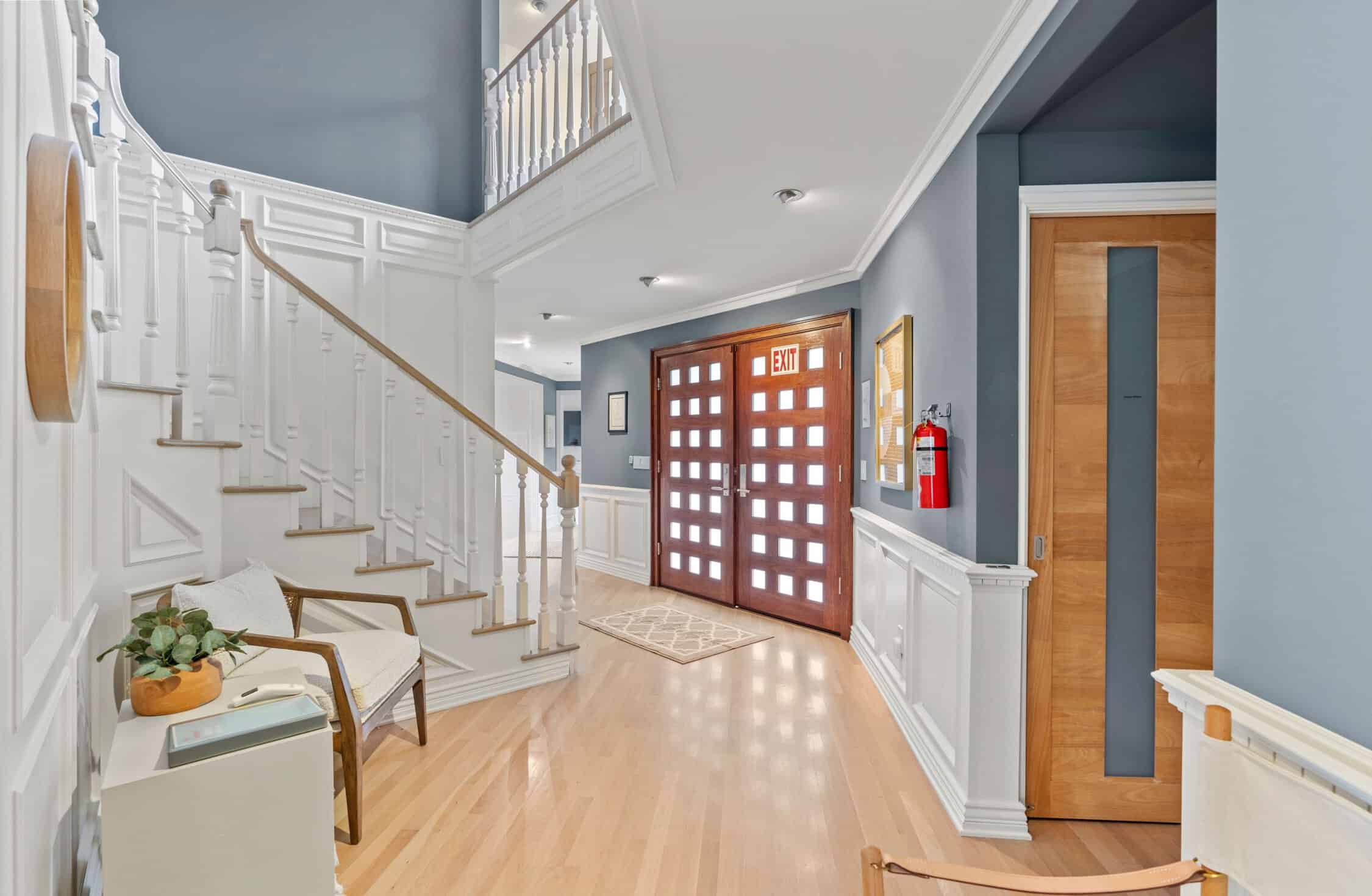
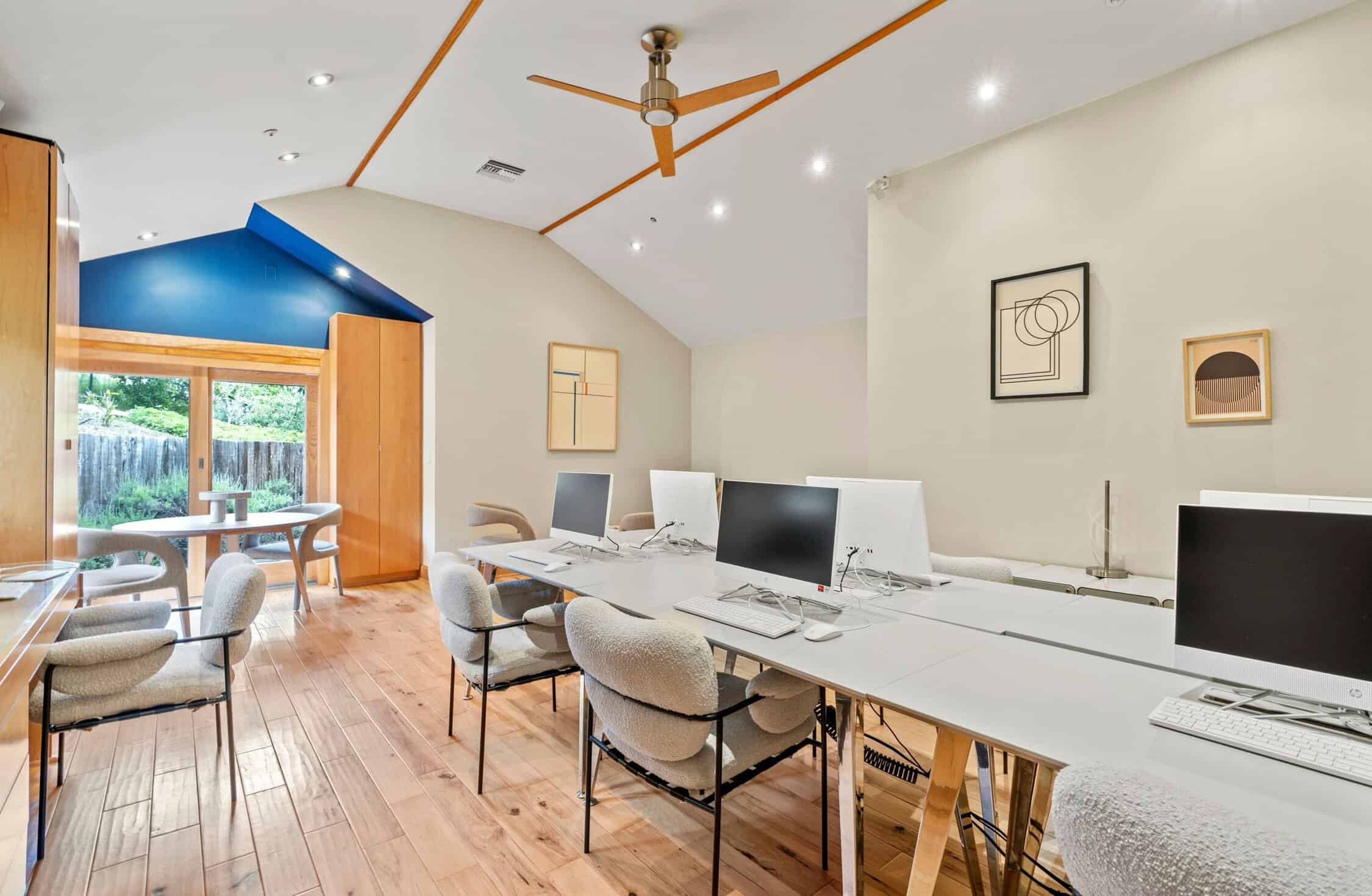
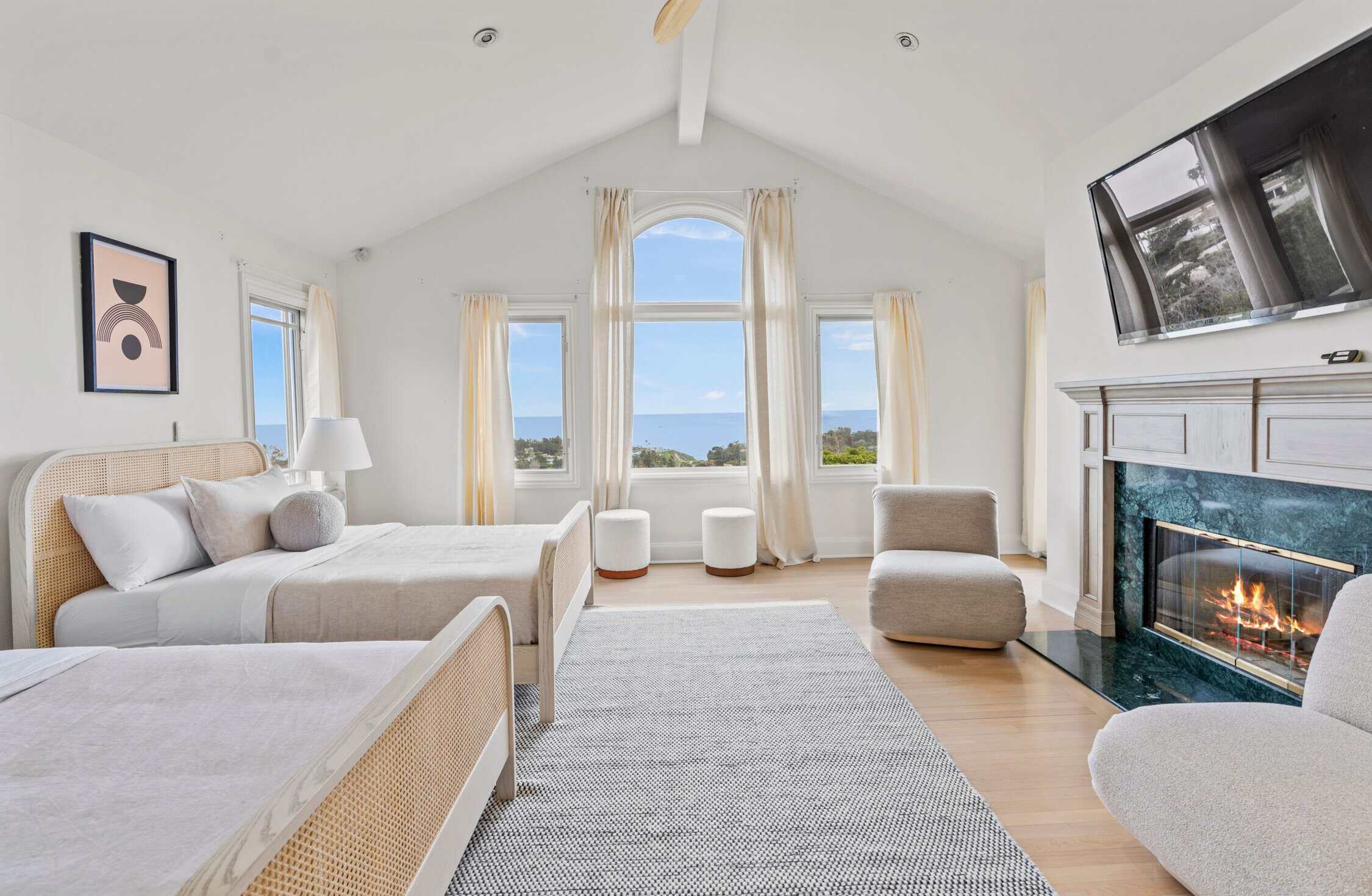
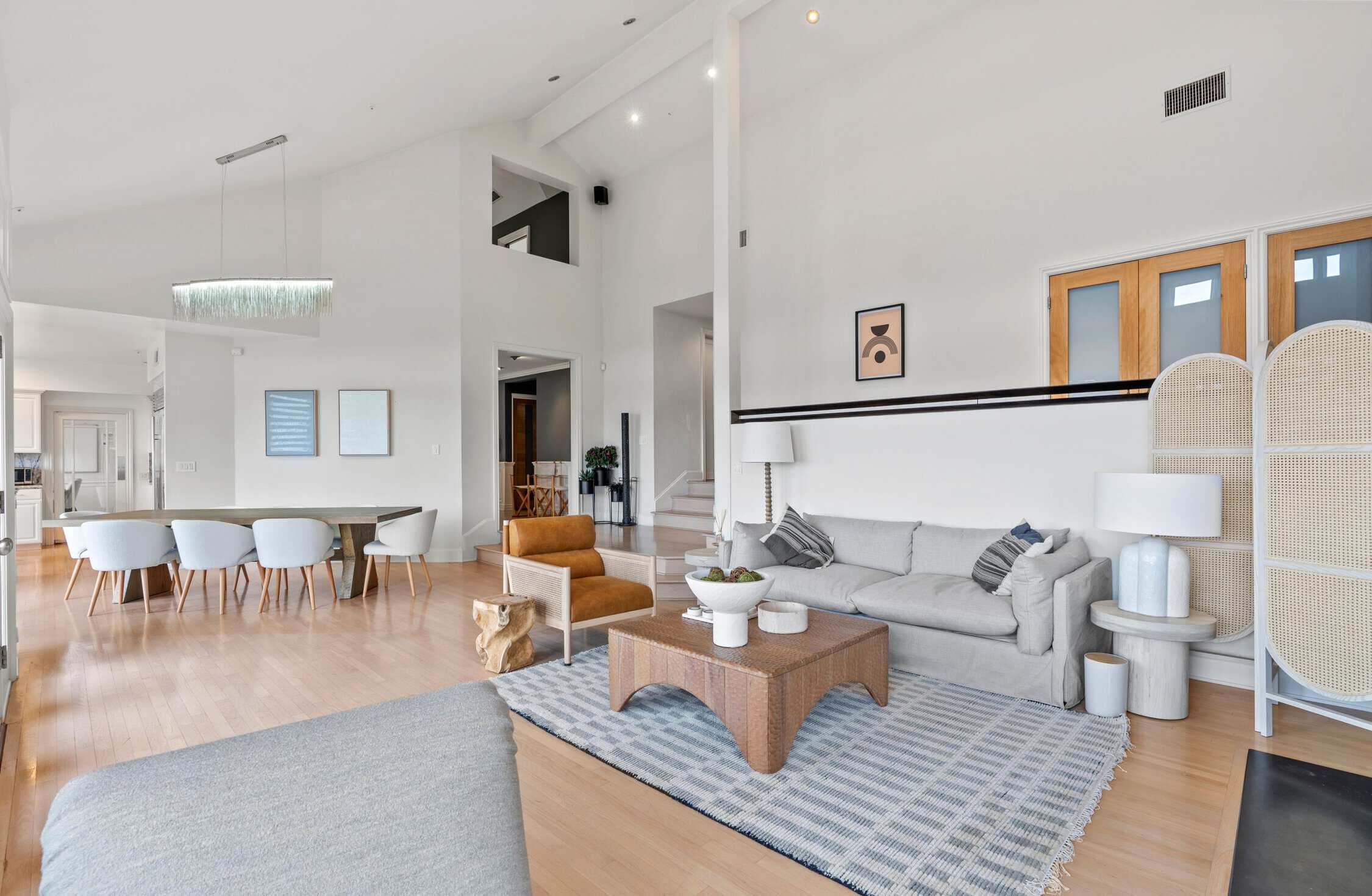
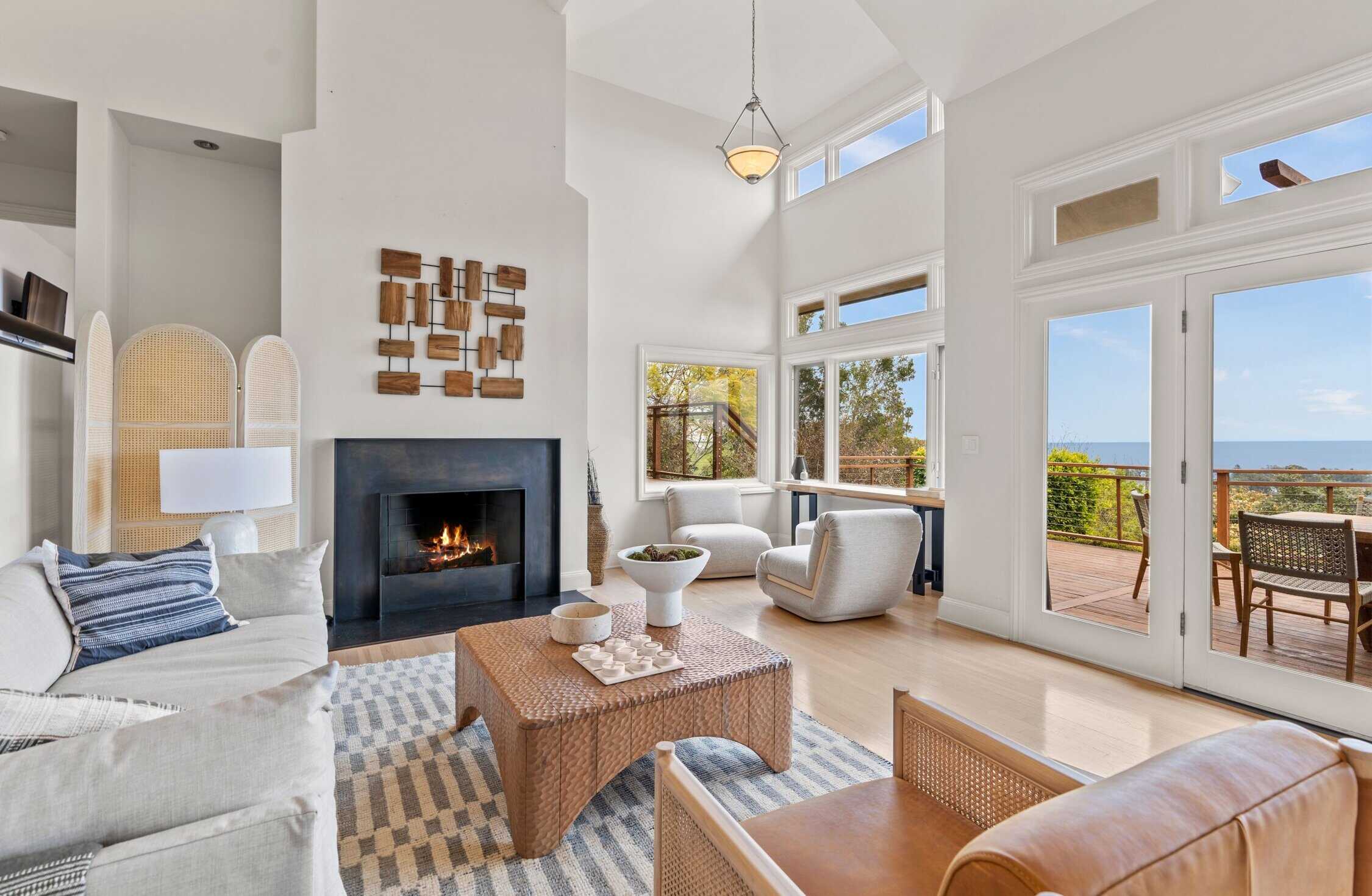
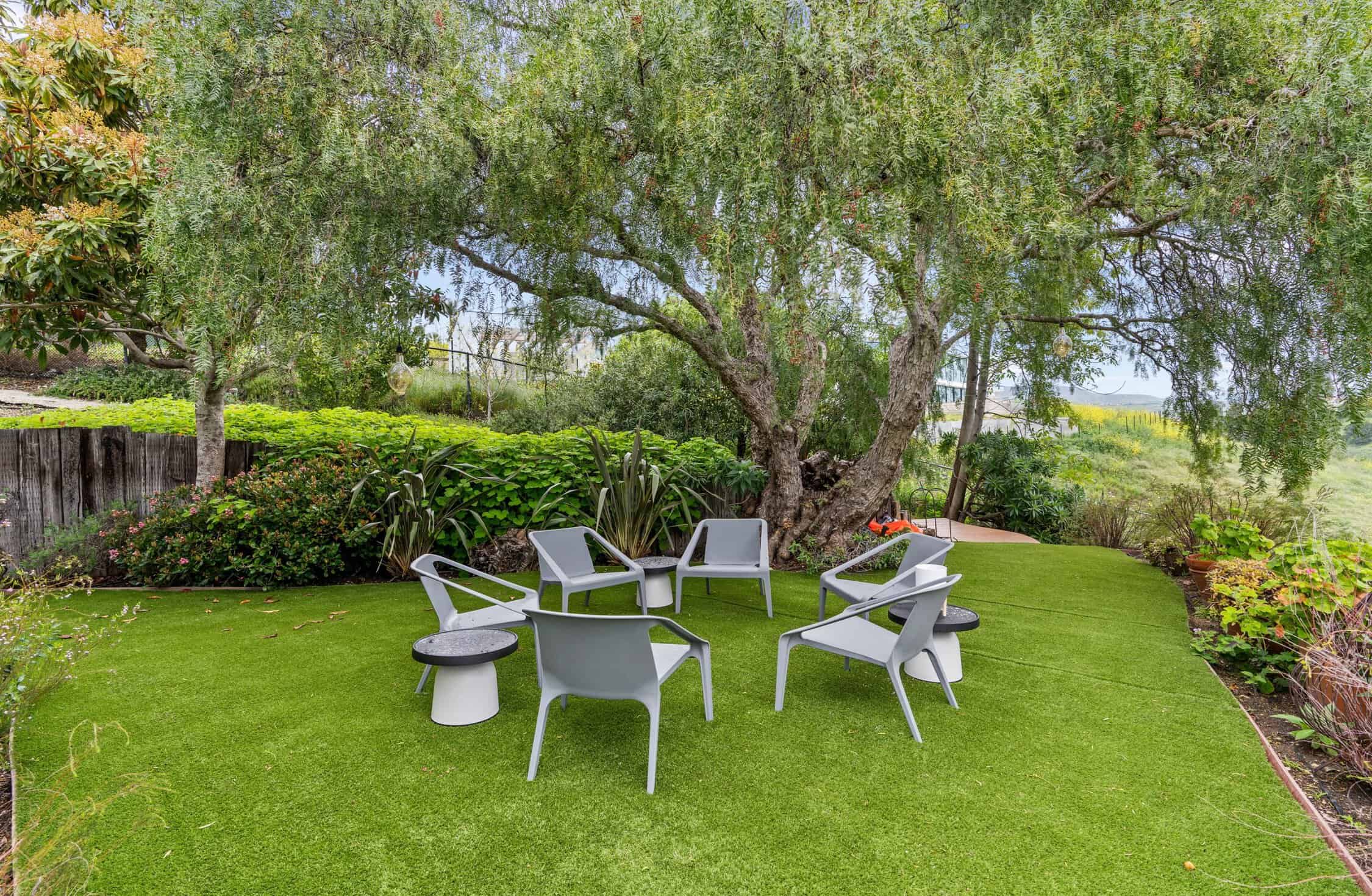
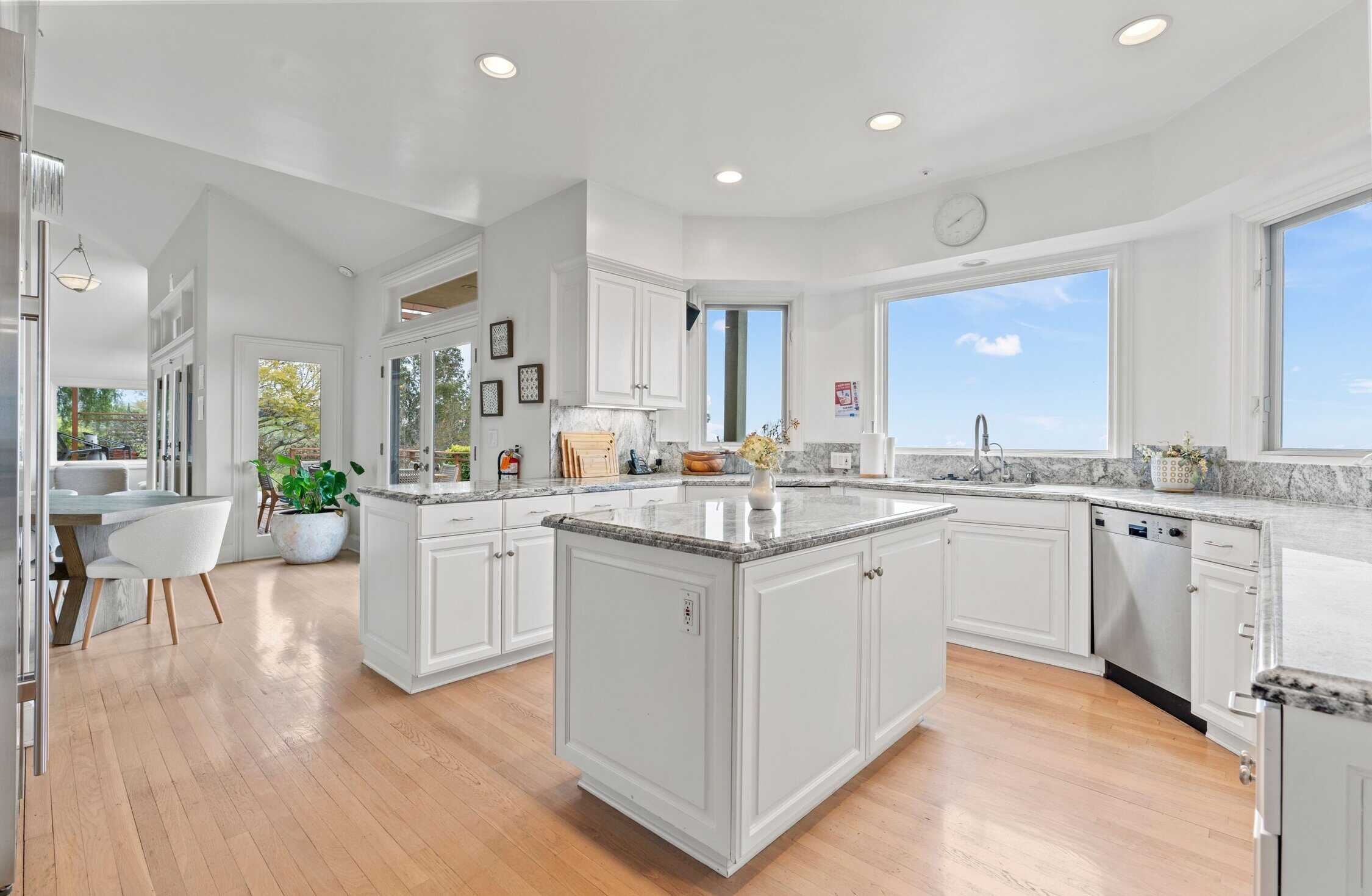
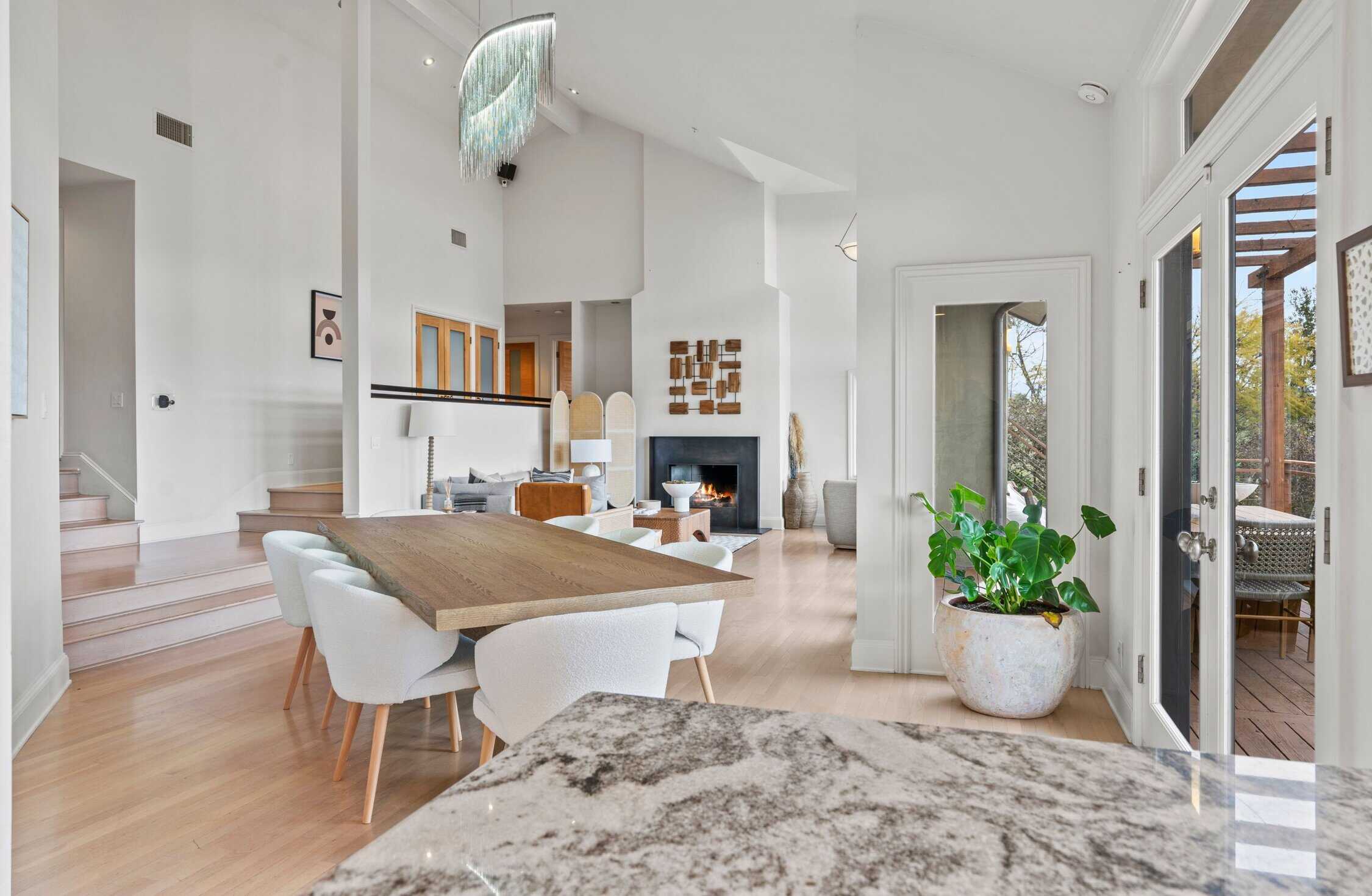
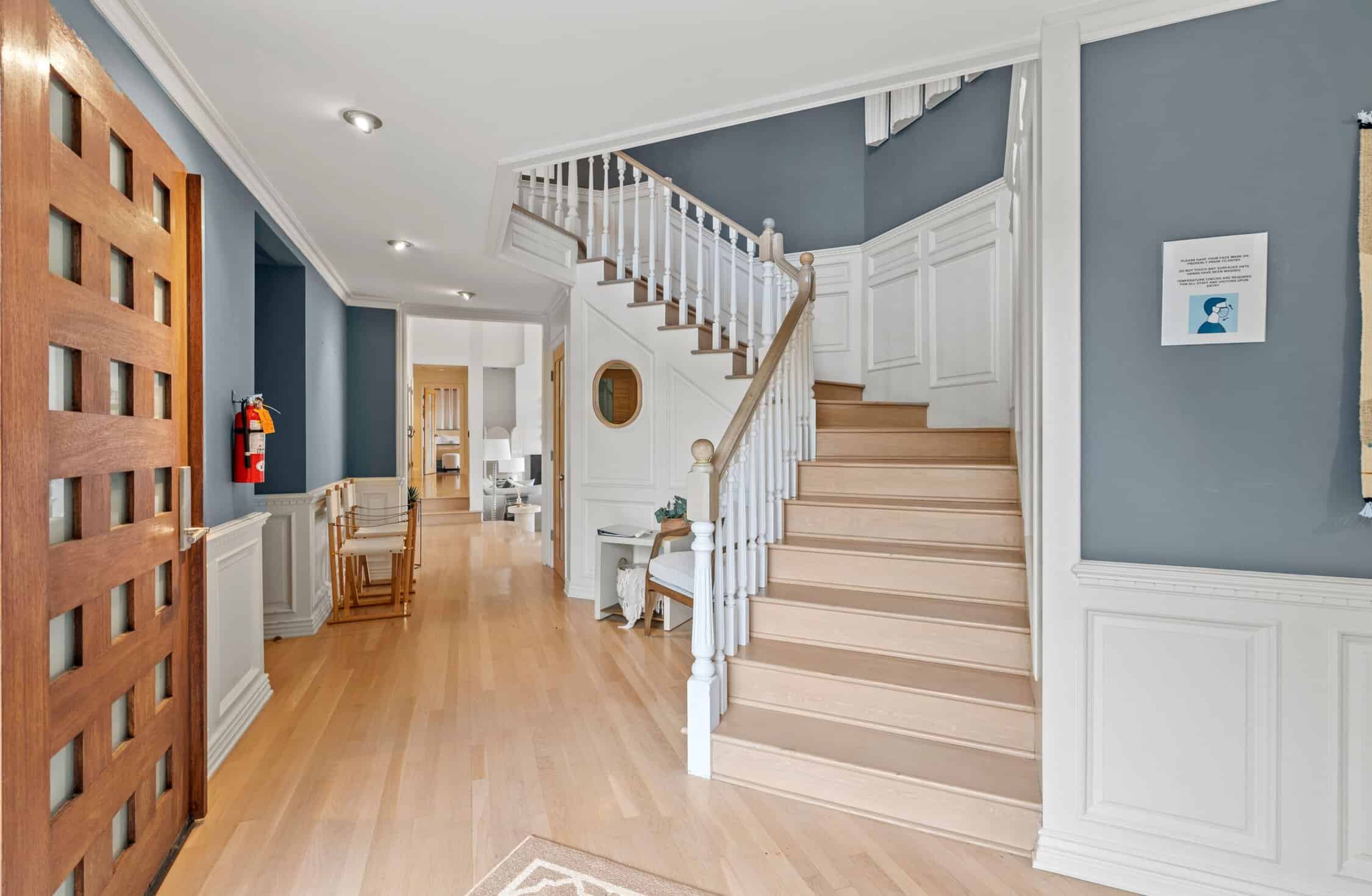
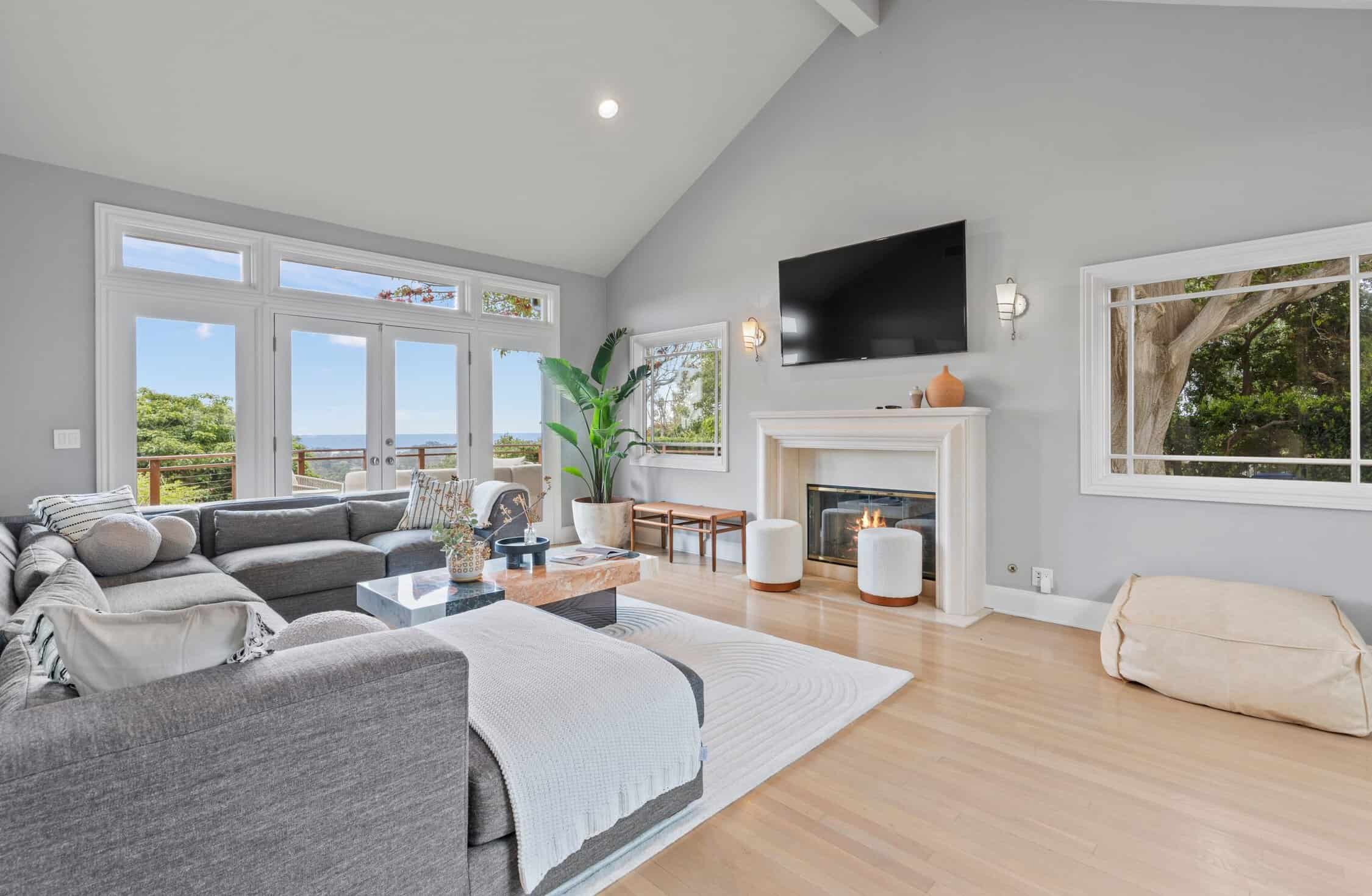
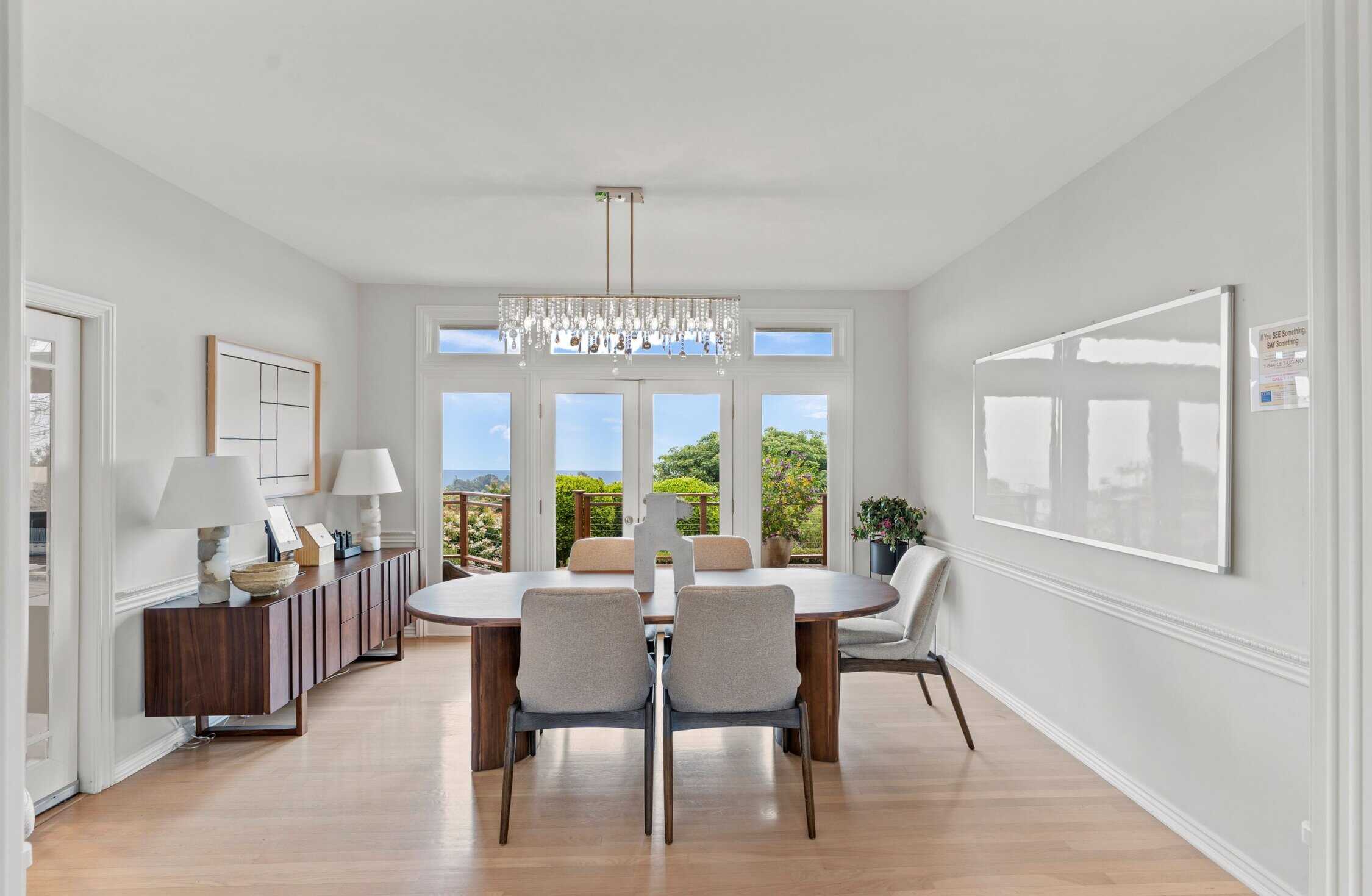
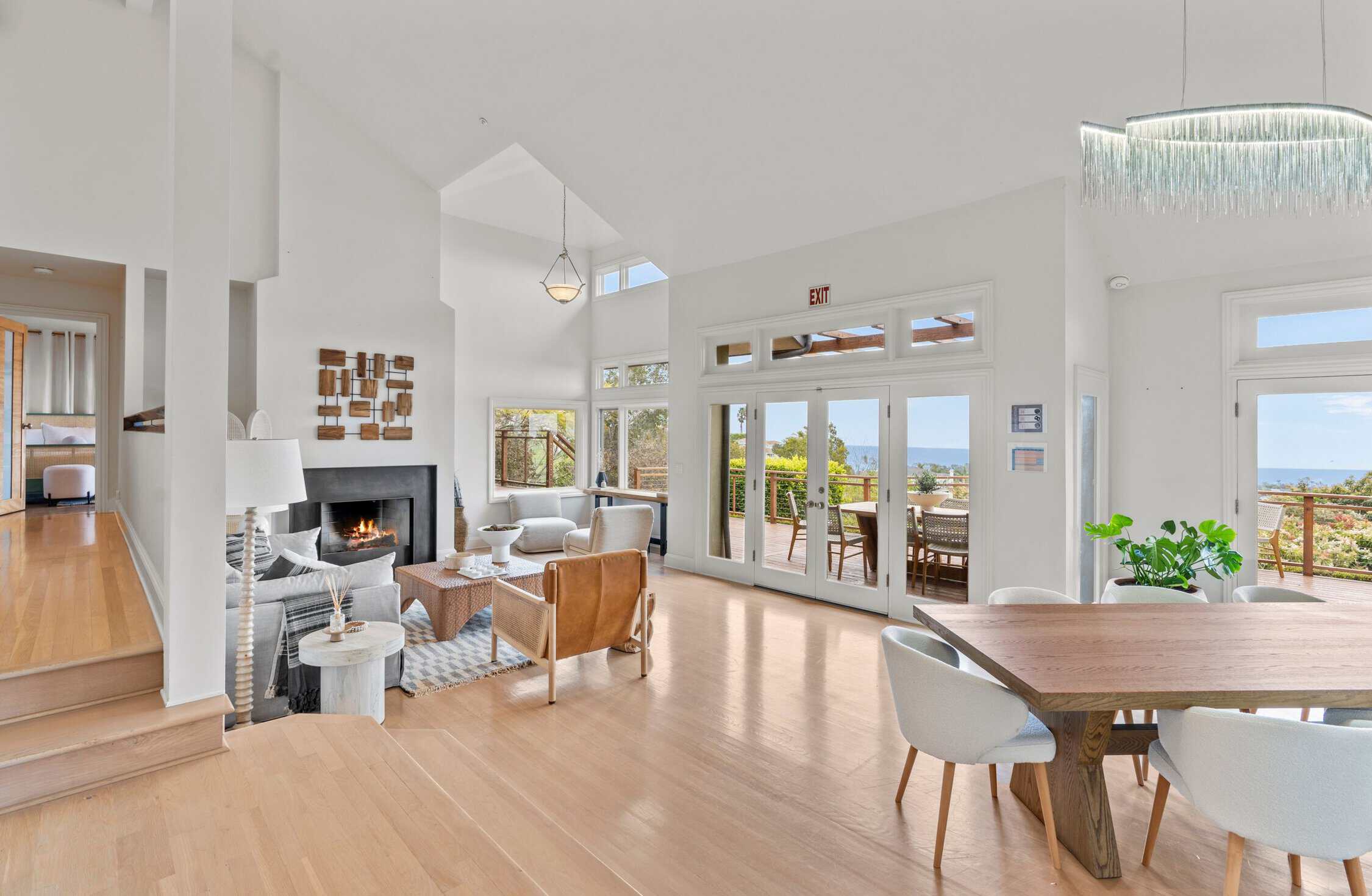
Take A Virtual Tour of Our Mental Health Pacific Palisades Rehab Facility

Reviews about key healthcare Mental Health Pacific Palisades

A Day in the Life at Key Healthcare’s Teen Program

Sending your child to a residential program can feel daunting, and you likely want to know exactly how they will spend their time. Our programs are intentionally structured to build healthy routines, foster deep self-awareness, and provide consistent, round-the-clock support. Every day is a carefully balanced mix of therapy, education, and holistic healing.

A typical weekday begins around 7:00 AM. Teens wake up, take care of personal hygiene, and share a nutritious communal breakfast. Morning routines often include setting daily intentions in a brief goals group. This early structure is crucial for teens who have lost their daily rhythm due to mental health or substance use struggles. It sets a positive, predictable tone for the hours ahead.

Structured Clinical Care and Therapy

The core of our individualized treatment happens through our comprehensive clinical program. Throughout the week, teens engage in an evidence-based adolescent mental health therapy tailored to their unique needs. Your teen will have one-on-one sessions with a dedicated therapist to process trauma, build coping mechanisms, and discuss their personal goals.

Group therapy for teens is a daily pillar of the schedule. In these sessions, teens connect with peers who truly understand their struggles. Guided by licensed clinicians, groups focus on specific issues such as emotional regulation, distress tolerance, and relapse prevention. Additionally, our on-staff psychiatrists provide regular evaluations and careful medication management, ensuring that any prescribed treatments are safely monitored and effective for the adolescent’s specific diagnosis.

Holistic Activities and Recreation

Healing is not just about talking; it is about rediscovering joy, confidence, and self-worth. Our daily schedule integrates holistic therapies that support whole-person wellness. Afternoons often feature activities like art therapy for teens, where they can express complex feelings they might not yet have the words to say.

We also incorporate yoga therapy for teens, mindfulness training, and outdoor activities to help teens reconnect with their bodies. These experiential therapies provide healthy outlets for stress and anxiety. Whether it is a guided meditation session or a recreational sports activity, these moments allow teens to practice their new emotional regulation skills in real-time. By the time evening rolls around, teens participate in wrap-up reflection groups, enjoy free time, and prepare for a restful sleep, ending their day feeling safe, supported, and grounded.


Choosing the Right Level of Care: Residential vs. Teen IOP in Pacific Palisades

Navigating the different levels of behavioral health care can feel overwhelming. The right choice depends entirely on your teen’s specific needs, safety risks, and the level of daily impairment they are experiencing. The three primary levels of care are residential treatment, partial hospitalization programs (PHP), and intensive outpatient programs (IOP).

Level of Care Best Suited For Time Commitment Living Situation
Residential Treatment Teens with severe symptoms, high safety risks, or needing 24/7 supervision Full-time, continuous care Live-in facility
Partial Hospitalization Program (PHP) Teens needing intensive daily support but stable enough to go home at night 4-6 hours a day, 5 days a week Lives at home
Intensive Outpatient Program (IOP) Teens with moderate symptoms or as a step-down from residential care 3 hours a day, 3-5 days a week Lives at home

A teen IOP Pacific Palisades program is an excellent option for adolescents who are stable enough to live at home and manage some school responsibilities, but still need more support than a traditional weekly therapist can provide. IOP often serves as a vital step-down option. After a teen completes a residential program, an outpatient program helps them slowly transition back into their daily life while maintaining a strong safety net of clinical support.

Conversely, a partial hospitalization program (PHP for teens) offers a middle ground. It provides robust daily therapy in residential care while allowing the teen to return home in the evenings. Residential care is reserved for those who need a complete reset, away from their normal environment, with 24-hour medical and emotional oversight.

It might feel like a big step, but remember why you're here—you’re looking for a way forward

Our goal in developing Key Healthcare was to create programs that gave teens the guidance they needed to draw on their strengths and realize their potential to live fulfilling happy lives. Based on our own experiences, we believe that everyone has the ability to change if given the proper structure and connection.

founders

Ryan Blivas & Evan Powell

Founders of Key Healthcare

Supporting the Whole Family: Academics and Family Therapy

When considering residential care, parents consistently worry about two things: their child’s education and their family’s connection. You might be asking yourself, “Will my teen fall behind academically?” and “Can we stay involved in our teen’s treatment?” The answer to both is a resounding yes. Healing a teenager means supporting their entire world, which heavily involves both school and family.

Academic Continuity During Treatment

We understand that education is a major source of anxiety for high-achieving teens and their parents. Our program integrates dedicated academic support directly into the weekly schedule. Typically, teens spend several hours each weekday in a quiet, structured classroom environment.

Our team actively coordinates with your teen’s home school in Pacific Palisades to ensure assignments are managed effectively. With the help of on-site academic staff and tutors, we ensure your child can continue their coursework without feeling overwhelmed. The goal is not to pile on academic pressure, but to maintain a steady, manageable pace so they can return to their home school with confidence, rather than playing a stressful game of catch-up.

Healing Together: The Importance of Family Involvement

Teenage struggles do not happen in a vacuum, and neither does recovery. Family involvement is absolutely critical to long-term success. Through dedicated family counseling, we help your entire family unit heal.

Family therapy is not about placing blame; it is about uncovering the root of the teen’s struggles and learning how to move forward together. In these sessions, parents and siblings learn essential communication skills and how to establish healthy, loving boundaries. You will learn how to validate your teen’s emotions while firmly supporting their recovery goals. By participating in therapy, you build the therapeutic relationships necessary to rebuild trust. We ensure that families are actively engaged every step of the way, preparing your home to be a safe, supportive environment for your child’s eventual return.

Is It More Than Moodiness? Recognizing Signs of Severe Teen Depression

When searching for teen residential treatment Pacific Palisades, many parents first struggle to tell the difference between normal adolescent mood swings and a serious mental health crisis. It is incredibly painful to watch your child withdraw, and it is completely normal to feel unsure about what to do next. You are not overreacting by looking closely at their behavior.

In high-achieving communities like Pacific Palisades, the intense pressure to excel socially and academically can take a massive toll. In fact, clinical studies exploring school-related worries show that excessive academic pressure is strongly linked to elevated depressive symptoms in adolescents. When teens internalize this pressure, their mental health can rapidly decline.

If you are wondering whether your child’s behavior is typical teenage angst or a sign of severe depression, look for these specific, observable signs:

  • Persistent Isolation: While typical teens might pull back from family to spend time with friends, a teen with severe depression often isolates from everyone, spending hours locked in their room.
  • Loss of Interest: Dropping out of favorite sports, clubs, or hobbies they once loved is a major red flag.
  • Changes in Habits: Look for significant, unexplainable changes in sleeping patterns (sleeping all day or insomnia) and extreme shifts in appetite.
  • Co-occurring Substance Use: Teens often turn to drugs or alcohol to numb their emotional pain. If you notice signs of substance use alongside mood changes, this points to co-occurring disorders that require specialized care.
  • Severe Functional Impairment: Failing grades, an inability to get out of bed, and poor personal hygiene are strong indicators of clinical teen depression rather than normal growing pains.

When these behavioral challenges escalate, reaching out for professional help is a profound act of love. Getting support is a sign of strength, not a failure of parenting.

Taking the First Step for Your Pacific Palisades Family

Watching your teenager suffer is an incredibly helpless feeling, but you have options, and there is a path forward. Recognizing that your child needs specialized help is a profoundly courageous step for any parent to take. It means you are willing to do whatever it takes to help them reclaim their future.
The admissions process is designed to be gentle, confidential, and supportive. When you reach out, you will speak directly with a caring admissions coordinator who truly understands what you are going through. They will listen to your story, conduct a brief pre-screening to understand your teen’s unique needs, and walk you through insurance and program details.

If you are ready to find the right support for your child, please call (800) 421-4364 to speak with our compassionate admissions team. You can also visit the Key Healthcare home page to learn more about our philosophy, or contact us to send us a secure message.

Sources

PubMed Central. (September 22, 2025). School‐related worries in the day‐to‐day lives of early adolescent …. PubMed Central.

PubMed Central. (2018). Comparing depressive symptoms in teenage boys and girls. PubMed Central.

PubMed Central. Dual diagnosis capability in mental health and addiction treatment …. PubMed Central.

Centers for Medicare & Medicaid Services. Psychiatric Residential Treatment Facility Providers. Centers for Medicare & Medicaid Services.

PubMed Central. (October 18, 2021). A systematic review of cognitive behavior therapy and dialectical …. PubMed Central.

South Carolina Department of Health and Environmental Control. (November 10, 2025). Residential Treatment Facilities for Children & Adolescents. South Carolina Department of Health and Environmental Control.

University of Texas at Austin. (August 13, 2021). Relations between experiential learning and youth treatment …. University of Texas at Austin.

PubMed Central. (May 23, 2025). The Efficacy of Experiential Dynamic Therapies: A 10‐Year …. PubMed Central.

Brown University. EdResearch for Recovery: Academic Supports for Students with …. Brown University.

Office of Juvenile Justice and Delinquency Prevention. Residential Treatment Centers Literature Review. U.S. Department of Justice.

PubMed Central. (April 14, 2021). Family Involvement in Treatment and Recovery for Substance Use …. PubMed Central.

PubMed Central. (August 3, 2016). Family-based Treatments for Adolescent Substance Use. PubMed Central.

Frequently Asked Questions in Pacific Palisades

A typical day is highly structured to promote healing and stability. Teens wake up, have breakfast, and set daily goals. The core of the day involves a mix of individual therapy, peer group sessions, and dedicated academic time. Afternoons often include holistic activities like art therapy, yoga, or outdoor recreation, followed by an evening reflection group and free time before lights out.

Residential treatment centers support teens dealing with a wide range of mental health conditions. This can include anxiety disorders, panic attacks, mood disorders, behavioral challenges, suicidal ideation, and chronic stress. Many teens also struggle with dual diagnosis, meaning mental health disorders alongside substance use or drug addiction.

These programs are designed to treat co occurring issues at the same time. Through personalized treatment plans and clinical expertise, teens receive individualized care that addresses both their emotional health and any substance abuse concerns in a supportive environment.

Most teen treatment centers focus on evidence based therapies that are proven to support adolescent mental health. Common approaches include dialectical behavior therapy for emotion regulation and distress tolerance, along with cognitive behavioral strategies that help reshape negative thinking patterns.

Teens also participate in individual therapy sessions, group therapy, and family therapy. These clinical services are designed to improve communication, strengthen relationships, and build real-life coping skills. Many programs also include life skills training to support personal growth and long-term success.

Residential treatment provides the highest level of care outside of hospitalization. Teens live on-site in a safe and supportive environment where they receive continuous support and structured daily schedules.

In comparison, a partial hospitalization program (PHP) or intensive outpatient program offers strong clinical services but allows teens to return home each day. While PHP and intensive outpatient options can be helpful, they may not be enough for teens struggling with severe mental health disorders, co occurring substance use, or ongoing behavioral issues that require more consistent supervision and support.

Family involvement is a core part of effective teen treatment. Most residential treatment programs include regular family therapy sessions, parent support groups, and consistent communication with caregivers.

This helps families better understand their child’s specific challenges while also learning how to support them at home. Healing doesn’t just happen individually. It happens within relationships. When families are included in the treatment plan, teens are more likely to experience lasting healing, improved communication, and stronger emotional connections moving forward.

Contact our Pacific Palisades Mental Health Treatment Center

If your family is searching for compassionate, evidence-based teen Mental Health in Pacific Palisades, Key Healthcare is here to help. Our team is available to answer your questions, verify insurance benefits, and guide you through the admissions process with clarity and care. Whether your teen needs residential treatment, PHP, IOP, or outpatient support, we’ll help you determine the right level of care and next steps. 

Zip codes we service in Pacific Palisades

90272

Key Healthcare

(310) 919-25306270 Zumirez Dr, Malibu, CA 90265Key Treatment 1, LLC Facility Number: 198209773

Key Healthcare Adolescent Outpatient

(800) 421-43642233 Corinth Ave, Los Angeles, CA 90064Key Outpatient Certification #190047AP

Check Insurance

Structure, support, and a path forward. See how programs at Key Healthcare help teens thrive.

Take the first step by verifying your insurance today and finding out what coverage options are available for your family. Our team will review your benefits and help you understand how to access the care your teen needs.

Author

Ryan Blivas

Ryan Blivas

Ryan Blivas is a behavioral healthcare entrepreneur and teen mental health advocate dedicated to combating the mental health crisis in America. As the Co-Founder of Key Healthcare, he oversees a comprehensive network of care, including a residential treatment center in Malibu and outpatient clinics in West Los Angeles, all designed to support teens struggling with mental health and substance use disorders. A contributor to Entrepreneur Magazine, Ryan combines business acumen with a deep commitment to advocacy, driven by a mission to help families in despair find hope and lasting recovery.

Read More

Medically reviewed by

Dr. Elnaz Mayeh_page-0001

Elnaz Mayeh PhD, LMFT

As Executive Director, Dr. Mayeh is dedicated to maintaining Key Healthcare’s reputation as a premier adolescent treatment center, fostering a stable and supportive environment for both clients and staff. Her leadership focuses on clinical integrity, staff development, and creating a culture of compassion and growth.

Read More

Share Article

Is your teen struggling?

Call today for a confidential conversation with a teen treatment specialist—we’re here to help.

(800) 421-4364

best teen treatment center

Check if your insurance will cover the cost of treatment.

"*" indicates required fields

MM slash DD slash YYYY
(optional)
Include images of your insurance card
Accepted file types: jpg, gif, png, pdf, Max. file size: 25 MB.

Let's Chat

Request a call and a Key Healthcare team member will get in touch.

"*" indicates required fields

Your information is secure & protected by HIPPA.