"*" indicates required fields

Teen Residential Addiction Treatment Fresno

Families searching for teen residential treatment Fresno are often looking for answers during a time when their child’s emotional struggles feel overwhelming. Adolescents facing trauma, anxiety, depression, substance abuse or behavioral challenges may begin experiencing symptoms that interfere with school, relationships, and daily functioning.

Teen treatment centers offer residential programs that provide adolescents a safe and supportive environment where they can focus on recovery while receiving care from experienced behavioral health professionals. Within these programs, teens participate in therapeutic activities designed to address trauma, strengthen emotional regulation, and help them rebuild stability.

Key Healthcare provides compassionate adolescent mental health therapy and support for families in Fresno, CA, and surrounding communities. Through individualized care, trauma-informed therapy, and family involvement, adolescents can begin developing the tools needed to restore their mental well-being and regain control of their lives.

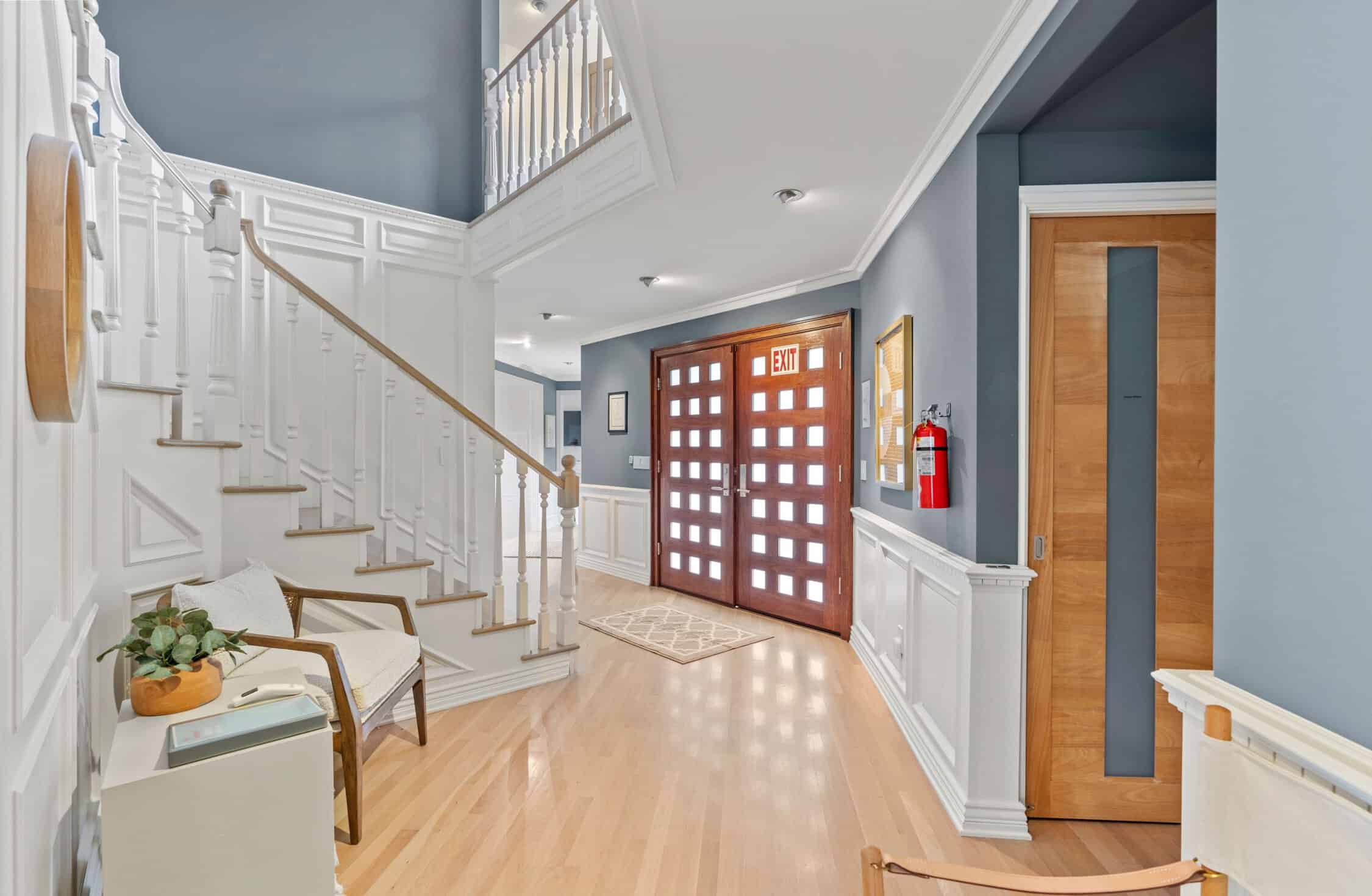
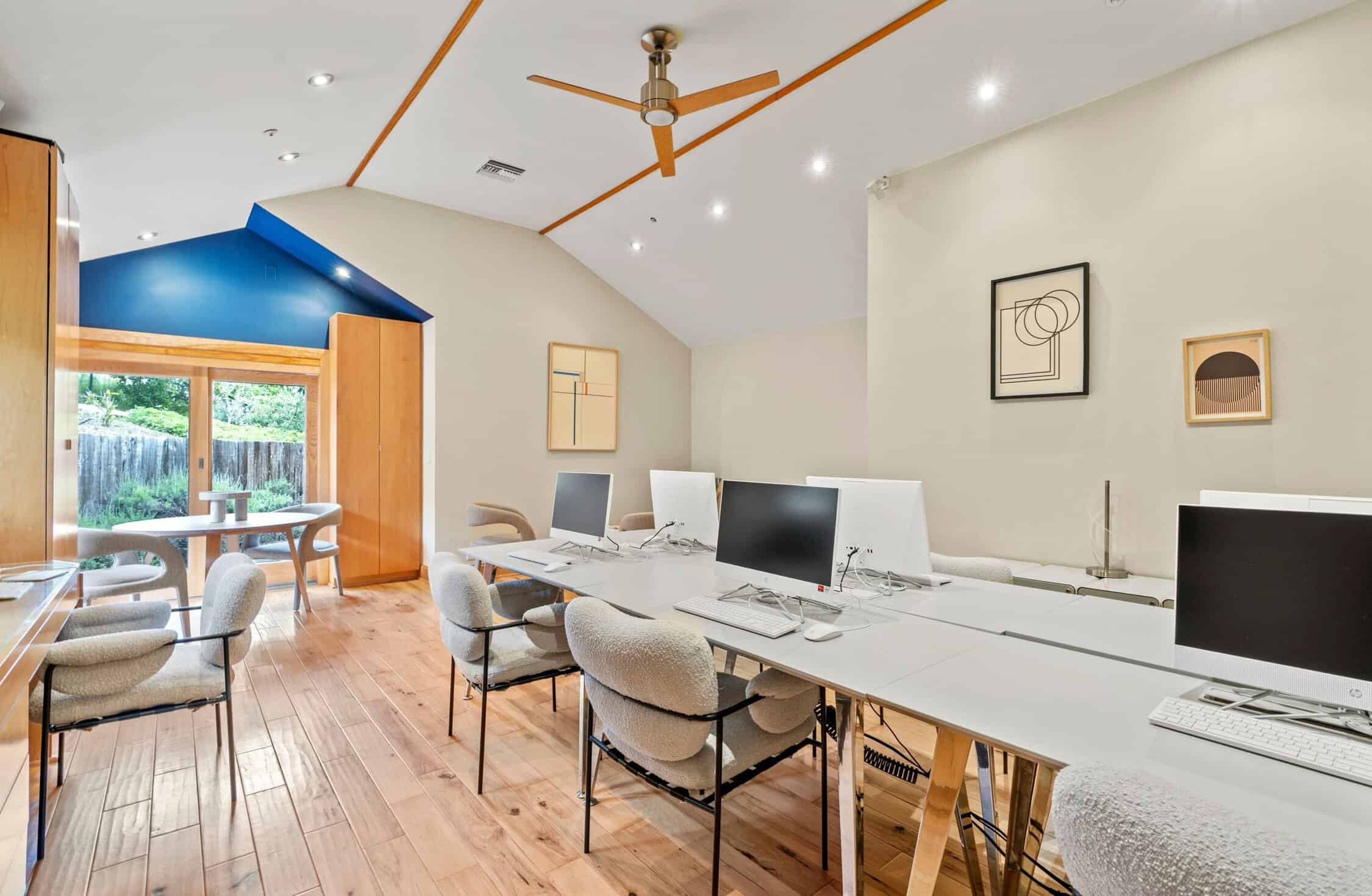
Take A Virtual Tour of Our Residential Treatment Fresno Rehab Facility

Reviews about key healthcare Residential Treatment Fresno

Insurances we Accept in Fresno

Key Healthcare works with a majority of Fresno health insurance providers and depending on your plan, 100% of the costs may be covered. Verify your insurance to get more information about your coverage.

Understanding Trauma and Mental Health Conditions in Teens

Adolescence is a period of significant emotional and neurological development. When a teen experiences a traumatic event, the emotional impact may linger long after the situation has passed.

In some cases, teens may develop PTSD or other trauma-related challenges that interfere with their ability to function normally. These mental health conditions can affect mood, sleep patterns, concentration, and social relationships.

Common symptoms of PTSD in adolescents may include:

  • Intrusive or distressing memories of traumatic experiences
  • Heightened anxiety or hypervigilance
  • Difficulty sleeping or recurring nightmares
  • Emotional numbness or withdrawal from relationships
  • Avoidance of people or places associated with traumatic memories

Without treatment, these symptoms can interfere with school performance, friendships, and family relationships. Over time, untreated trauma may affect a teen’s ability to manage emotions or maintain healthy coping strategies.

Key Healthcare’s residential treatment center for teens offers a structured environment where adolescents can safely explore their experiences and begin the healing process.

Teen residential treatment Fresno offers mental health treatment for teens struggling with behavioral health, post traumatic stress disorder, or seeking general mental health treatment following a traumatic event.

What Conditions Can Our Residential Treatment Fresno Facilty Treat?

Our Fresno Residential Treatment program at Key Healthcare treats a range of mental health and addiction conditions in teens, including depression, anxiety, trauma, bipolar disorder, substance use disorders, and much more, all within a structured, supportive, and therapeutic environment.

The Importance of an Initial Assessment

Every adolescent entering treatment begins with a thorough initial assessment. This evaluation helps clinicians understand the teen’s mental health history, trauma exposure, behavioral patterns, and emotional needs.

The assessment process may involve clinical interviews, psychological screening tools, and discussions with family members. These insights allow the treatment team to develop a treatment plan tailored to the teen’s individual needs.

Creating a personalized plan is essential because trauma affects every individual differently. Some teens may struggle with emotional regulation, while others may experience recurring flashbacks or anxiety related to trauma-related triggers.

By identifying these challenges early in treatment, clinicians can provide more targeted therapeutic support.

Evidence-Based Therapy for Substance Misuse or PTSD Treatment

Successful teen addiction treatment, paired with adolescent mental health treatment programs, relies on therapies that have been clinically proven to support trauma recovery.

One of the most widely used approaches is cognitive behavioral therapy. In cognitive behavioral therapy (CBT for teens), teens learn to identify negative thought patterns connected to traumatic experiences and replace them with healthier ways of thinking.

Another highly effective therapy is dialectical behavior therapy (DBT for teens), which focuses on emotional regulation, distress tolerance, and mindfulness skills. These strategies help teens manage intense emotional reactions and reduce impulsive behaviors.

Programs may also incorporate exposure therapy, allowing adolescents to gradually process trauma-related memories in a controlled and supportive environment. Together, these therapies help teens develop coping strategies that support emotional healing and resilience.

Residential Treatment Teen Therapist & Counselors

At Key Healthcare, we know that successful treatment relies on the quality of the people providing it. Our Fresno facility is staffed by a multidisciplinary team of licensed therapists, psychiatrists, and academic coordinators who are leaders in the field of adolescent mental health.

We don’t just treat symptoms; we collaborate to treat the whole person. By combining clinical expertise with genuine mentorship, our team ensures that every teen in our Residential Treatment receives the personalized, evidence-based care they need to heal and thrive.

Evan Powell Founder

Evan Powell

Co-Founder
Ryan Blivas

Ryan Blivas

Co-Founder, Teen Expert
Elnaz Mayeh PhD, LMFT

Elnaz Mayeh PhD, LMFT

Executive Director
Matt Cox, CADAC-I

Matt Cox, CADC I

Director of Admissions
Beverly Reader, MD

Beverly Reader, MD

Medical Director / Psychiatrist
Henry Dafoe

Henry Dafoe

Program Mentor
Elayna Bray

Elayna Bray

Program Director
Jillian Linton

Jillian Linton

Director of Human Resources
Dr. Jackson Liguori

Jackson Liguori, PhD

Primary Therapist
Madison Miller

Madison Miller

Primary Therapist
Abby Heifitz

Abby Heifitz

Primary Therapist
Gillian Greenberg

Gillian Greenberg

Primary Therapist
Sammy Karuru

Sammy Karuru

Executive Assistant to Founder
Jasper Patterson

Jasper Patterson

Music Program Director
Chanelle Catuogno, ACSW

Chanelle Catuogno, ACSW

Individual and Family Therapist
Rocky Trombetti, MA, AMFT

Rocky Trombetti, MA, AMFT

Individual and Family Therapist
Amber Gentry

Amber Gentry

Education Liaison
Stacie-O-Farrell

Stacie O’Farrell

Academic Coordinator
Nonna

Nonna Milyavskaya, AMFT

Associate Marriage and Family Therapist

Request a Call

Is your teen struggling with Residential Treatment?

Request a confidential call today – our  Residential Treatment Fresno team will walk you through the admissions process, treatment options, costs, and what to expect. Reaching out is a powerful first step toward a healthier future for your teen and your family.

"*" indicates required fields

Eye Movement Desensitization and Reprocessing

Many trauma-focused treatment programs include eye movement desensitization and reprocessing, often referred to as EMDR.

This therapy helps individuals process traumatic memories that may still trigger emotional distress. Through guided EMDR and therapeutic support, adolescents can begin reframing how the brain stores traumatic experiences.

Over time, this process helps reduce the emotional intensity connected to past trauma and allows teens to regain a sense of control. EMDR is widely recognized as one of the most effective therapies for post-traumatic stress disorder and can play an important role in a comprehensive ptsd treatment plan.

Medication Management and Behavioral Health Support

For some adolescents, therapy alone may not fully address severe symptoms of substance abuse, trauma, or anxiety. In these cases, clinicians may incorporate medication management into the treatment plan.

Medication can help stabilize mood, improve sleep patterns, and reduce anxiety symptoms that interfere with daily functioning. When carefully monitored by qualified professionals, medication can support therapy and help teens engage more effectively in treatment. Within a residential program, teens receive consistent behavioral health support from clinicians who monitor progress and adjust treatment strategies when needed. Combining therapy with appropriate medical care helps create a balanced approach to healing.

Post traumatic stress disorder PTSD can message frequency of danger in your loved one's brain. Cognitive behavioral therapy CBT helps those who develop PTSD through talk therapy regain control. Exposure therapy also has positive data rates supporting its overall help with healing in daily life.

Developing Coping Skills for Emotional Regulation

One of the most important goals of residential treatment is helping teens develop coping skills that allow them to manage stress and emotional triggers.

Substance misuse and mental health conditions often disrupt the nervous system, making it difficult for teens to regulate emotions or respond calmly to stressful situations. Through therapy and skill-building exercises, adolescents learn strategies that help restore balance.

These skills may include:

  • Identifying and responding to trauma-related triggers
  • Practicing mindfulness and grounding techniques
  • Managing anxiety through breathing exercises
  • Building healthy communication patterns with family members

As teens develop coping skills, they gain greater confidence in their ability to manage difficult emotions and navigate everyday challenges.

How Teens Begin to Reconnect and Heal in Treatment

For many adolescents, one of the most challenging parts of mental health struggles is the sense of disconnection that can develop over time. Whether it shows up as emotional numbness, persistent sadness, or difficulty trusting others, these experiences can make it hard for teens to feel grounded in their daily lives.

Residential treatment creates a space where teens can begin to reconnect with themselves in a safe, structured way. Through consistent in-person therapy and support, adolescents begin to rebuild awareness of their thoughts, emotions, and physical responses.

Cognitive behavioral therapy (CBT for teens) helps them identify how their thoughts influence their emotions and behaviors, while other approaches focus on restoring emotional balance and improving interpersonal relationships. Over time, this process helps teens feel more present, more connected, and better able to navigate challenges.

At Key Healthcare, our compassionate care team provides excellent care for your loved ones. We work to manage symptoms, identify risk factors, and deliver personalized care to all our patients, no matter their personal path.

Creating a Safe and Supportive Environment for Healing

Residential programs provide a supportive environment where adolescents can focus on recovery without outside pressures. Within this safe space, teens participate in therapy, structured daily routines, and activities that promote emotional well-being. Many programs incorporate creative therapies, recreational activities, and wellness practices that encourage personal growth.

At Key Healthcare, we offer alternative therapies such as surf therapy, yoga therapy, and creative therapies involving art and music to engage teens through all their senses while healing. This whole-person approach, paired with a stable environment, allows teens to focus on healing while receiving consistent support from trained professionals.

For many adolescents, the structured setting of residential treatment provides the stability needed to regain emotional balance.

Family Support and Social Connections

Family involvement is often a key component of successful trauma recovery.

Treatment programs frequently include sessions with a family therapist, where parents and caregivers learn how to support their teen’s emotional healing. Family therapy for teens works to help families understand trauma responses, rebuild communication, and strengthen relationships.

Strong social support systems can play an important role in maintaining progress after treatment. When families remain involved throughout the recovery process, teens often feel more supported and motivated to continue healing.

If your loved one needs behavioral health support, contact Key Healthcare today to learn more.

Continuing Recovery After Residential Treatment

Healing from addiction or is a gradual process that continues even after residential care ends.

Many adolescents benefit from step-down services such as IOP for adolescents or structured recovery programs that support continued emotional growth. These programs allow teens to practice the coping strategies they learned during residential care as they reintegrate into school and daily life.

Ongoing support may also include therapy sessions, peer support groups, and follow-up treatment planning. With the right support system and ongoing guidance, teens can continue to strengthen their emotional resilience and maintain their progress.

Finding the Right Treatment in Fresno, CA

Choosing a teen residential treatment center near Fresno is an important step toward helping a young person reclaim their emotional well-being.

Families often look for programs that offer trauma-informed care, qualified clinicians, and personalized treatment plans designed for adolescents. Treatment centers that provide evidence-based therapy, supportive environments, and family involvement can help teens move forward with confidence.

For families in Fresno, CA, and throughout the Central Valley, compassionate treatment at Key Healthcare can provide programs that offer hope during a difficult time. Contact us today by calling (800) 421-4364 or contact us to get started.

With the right care and guidance, adolescents can begin healing from trauma, regain emotional stability, and build a healthier future.

Sources

Darnell, D., Flaster, A., Hendricks, K., Kerbrat, A., & Comtois, K. A. (2019). Adolescent clinical populations and associations between trauma and behavioral and emotional problems. Psychological trauma : theory, research, practice and policy, 11(3), 266–273.

Simon, K. M., Levy, S. J., & Bukstein, O. G. (2022). Adolescent Substance Use Disorders. NEJM evidence, 1(6), EVIDra2200051.

Frequently Asked Questions in Fresno
Traumatic experiences can significantly impact a teen’s mental health and emotional development. After a traumatic event, some adolescents may develop symptoms such as anxiety, emotional numbness, difficulty sleeping, or intrusive thoughts. When these symptoms persist and interfere with daily functioning, professional mental health treatment may help teens process the trauma and regain stability.

Symptoms of PTSD in teens may include recurring distressing memories, avoidance of reminders connected to a traumatic experience, irritability, and heightened anxiety. Some adolescents also experience difficulty sleeping, withdrawal from social activities, or strong emotional reactions to trauma-related triggers. Recognizing these common symptoms early can help families seek effective treatment sooner.

Behavioral therapies like CBT and DBT help teens process difficult emotions through talk therapy and other avenues teaching skills and supports. Eye movement desensitization and reprocessing is a trauma-focused therapy that helps teens process painful memories in a safe therapeutic setting. During EMDR sessions, guided eye movements help the brain reprocess traumatic memories, reducing the emotional intensity associated with them and allowing adolescents to move forward in their healing process.

Each adolescent experiences trauma differently, which is why personalized treatment plans are essential in PTSD treatment. After an initial assessment, clinicians design a treatment plan tailored to the teen’s symptoms, emotional needs, and personal experiences. This individualized approach allows therapists to address specific triggers and help teens develop coping skills that support long-term healing.

Family involvement can greatly strengthen a teen’s recovery process. Working with a family therapist helps caregivers understand how trauma affects behavior and emotional responses. When families provide consistent encouragement and social support, teens often feel safer discussing their experiences and are more likely to maintain progress during treatment.

Contact our Fresno Residential Treatment Treatment Center

If your family is searching for compassionate, evidence-based teen Residential Treatment in Fresno, Key Healthcare is here to help. Our team is available to answer your questions, verify insurance benefits, and guide you through the admissions process with clarity and care. Whether your teen needs residential treatment, PHP, IOP, or outpatient support, we’ll help you determine the right level of care and next steps. 

Zip codes we service in Fresno

93650, 93701, 93702, 93703, 93704, 93705, 93706, 93707, 93708, 93709, 93710, 93711, 93712, 93714, 93715, 93716, 93717, 93718, 93720, 93721, 93722, 93723, 93724, 93725, 93726, 93727, 93728, 93729, 93730, 93737, 93740, 93741, 93744, 93745, 93747, 93750, 93755, 93760, 93761, 93764, 93765, 93771, 93772, 93773, 93774, 93775, 93776, 93777, 93778, 93779, 93780, 93784, 93786, 93790, 93791, 93792, 93793, 93794, 93844, 93888

Key Healthcare

(310) 919-25306270 Zumirez Dr, Malibu, CA 90265Key Treatment 1, LLC Facility Number: 198209773

Key Healthcare Adolescent Outpatient

(800) 421-43642233 Corinth Ave, Los Angeles, CA 90064Key Outpatient Certification #190047AP

Check Insurance

Structure, support, and a path forward. See how programs at Key Healthcare help teens thrive.

Take the first step by verifying your insurance today and finding out what coverage options are available for your family. Our team will review your benefits and help you understand how to access the care your teen needs.

Author

Ryan Blivas

Ryan Blivas

Ryan Blivas is a behavioral healthcare entrepreneur and teen mental health advocate dedicated to combating the mental health crisis in America. As the Co-Founder of Key Healthcare, he oversees a comprehensive network of care, including a residential treatment center in Malibu and outpatient clinics in West Los Angeles, all designed to support teens struggling with mental health and substance use disorders. A contributor to Entrepreneur Magazine, Ryan combines business acumen with a deep commitment to advocacy, driven by a mission to help families in despair find hope and lasting recovery.

Read More

Medically reviewed by

Dr. Elnaz Mayeh_page-0001

Elnaz Mayeh PhD, LMFT

As Executive Director, Dr. Mayeh is dedicated to maintaining Key Healthcare’s reputation as a premier adolescent treatment center, fostering a stable and supportive environment for both clients and staff. Her leadership focuses on clinical integrity, staff development, and creating a culture of compassion and growth.

Read More

Share Article

Is your teen struggling?

Call today for a confidential conversation with a teen treatment specialist—we’re here to help.

(800) 421-4364

best teen treatment center

Check if your insurance will cover the cost of treatment.

"*" indicates required fields

MM slash DD slash YYYY
(optional)
Include images of your insurance card
Accepted file types: jpg, gif, png, pdf, Max. file size: 25 MB.

You don't have to figure this out alone.

We’re available right now to answer questions, check your insurance, or just talk through your options. No commitment required.

Let's Chat

Request a call and a Key Healthcare team member will get in touch.

"*" indicates required fields

Your information is secure & protected by HIPAA.