"*" indicates required fields

Teen Rehab in Grass Valley, California

When you’re worried about your teen and starting to feel like something more serious is going on, it can be hard to know what to do next. If what you’ve tried at home or through outpatient care hasn’t been enough, exploring options like teen residential treatment Grass Valley can be an important next step. This level of care gives your child a structured, supportive environment where they can get consistent help for their mental health, behavior, or substance use challenges while still being treated with compassion and understanding.

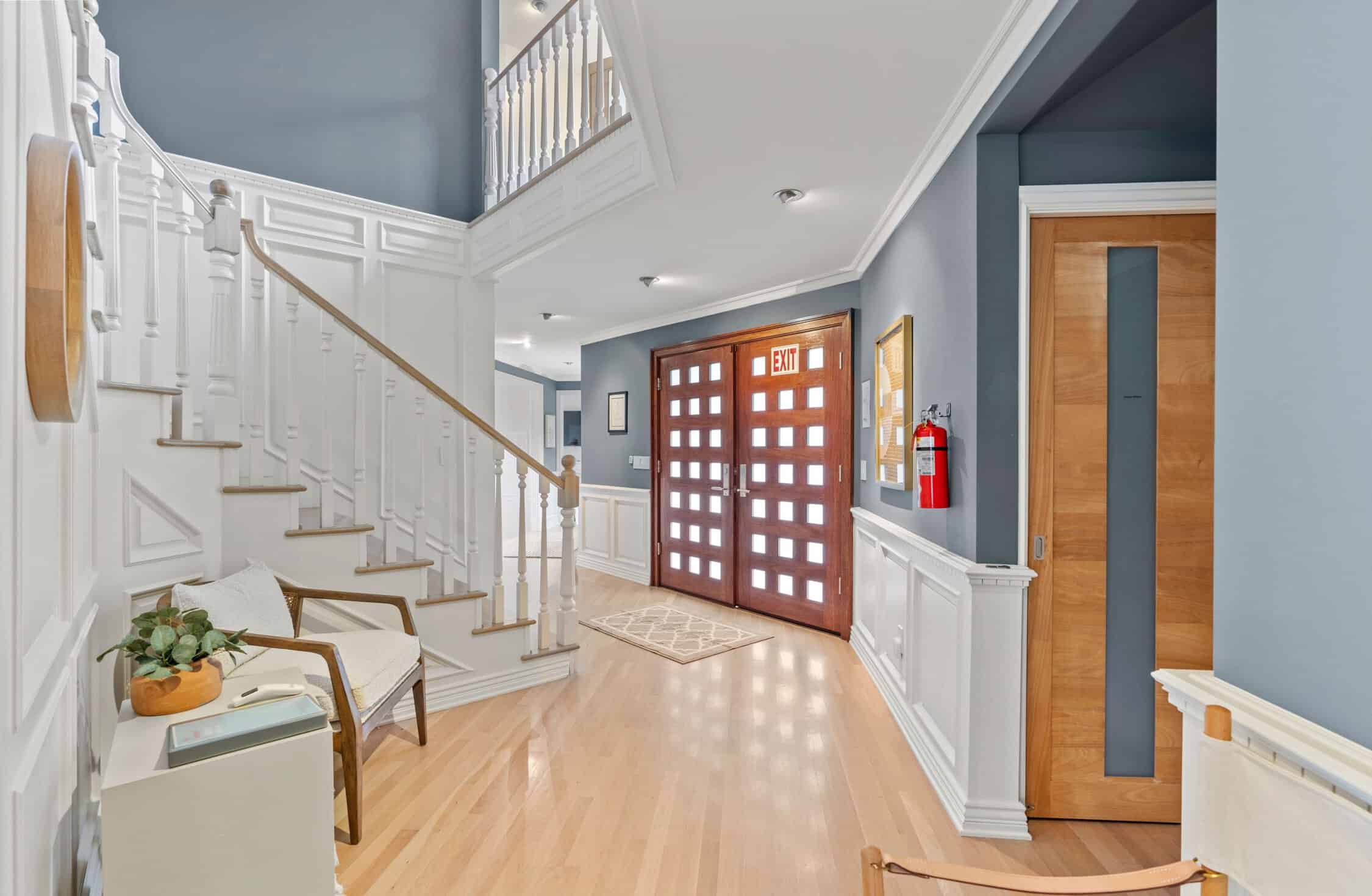
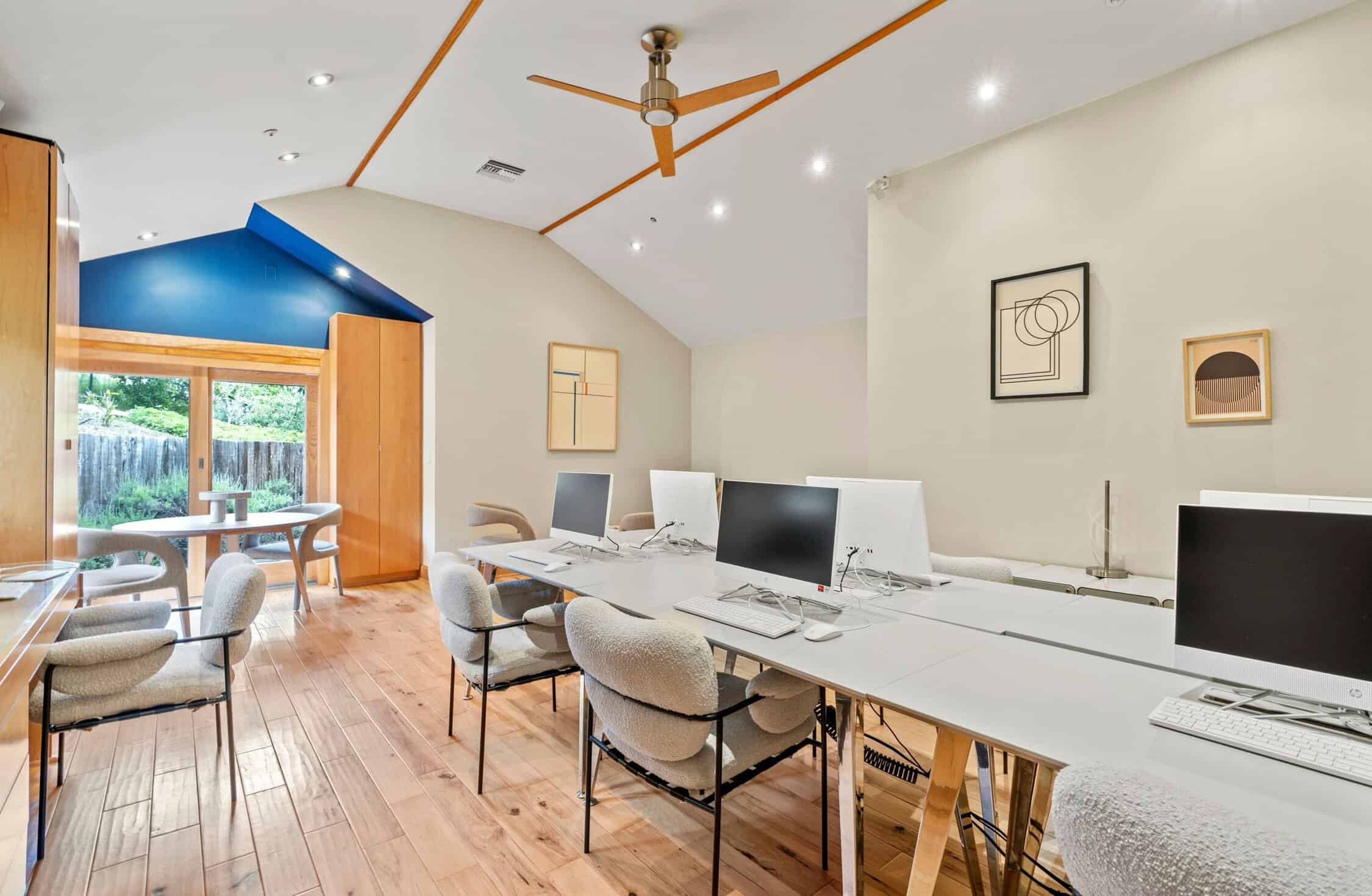
Take A Virtual Tour of Our Residential Treatment Grass Valley Rehab Facility

Reviews about key healthcare Residential Treatment Grass Valley

Why Key Healthcare

Up to 100% of the Costs Covered by Insurance

Key Healthcare is committed to accessible care by accepting numerous insurance provider plans. In some cases, your plan might cover all of your Grass Valley Residential Treatment teen’s treatment expenses. Verify your coverage details below. Coverage (It’s Fast, Free & 100% Confidential )

Locally Owned. Personally Invested.

Independently owned and operated by the same two people who are on-site every day committed to quality, integrity, and care that makes a difference.

Decades of Clinical Expertise

With 80+ years of combined, trauma-informed experience, our team brings deep compassion and skill to adolescent mental health and co-occurring substance use treatment.

Trusted by 600+ Families

We guide teens and families through crisis with empathy and proven support, partnering closely throughout the healing journey.

Family-Centered Support

Families are essential to recovery. Multi-family therapy, Individual family sessions, Parent support groups

24/7 Supervision by Trained Staff

Your teen’s safety is always our priority. Crisis-trained staff are on-site around the clock, providing support and de-escalation when needed.

Academic Support

We provide 15+ hours of weekly academic help so teens stay on track while focusing on healing.

Insurances we Accept in Grass Valley

Key Healthcare works with a majority of Grass Valley health insurance providers and depending on your plan, 100% of the costs may be covered. Verify your insurance to get more information about your coverage.

Recognizing the Signs: When Is It Time for Teen Residential Treatment?

It’s incredibly difficult to tell the difference between typical teenage rebellion and a deeper behavioral crisis. You might wonder if their isolation is just a phase or a sign of something much more serious. As a parent, witnessing your child struggle with mental health or substance use disorders is heart-wrenching, and figuring out the right level of care can feel overwhelming. The tension often ripples through the entire household, leaving siblings confused and parents exhausted.

However, certain red flags clearly indicate that your child might need a higher level of care. Look for drastic changes in friends, plummeting grades, and a sudden loss of interest in hobbies they once loved. Extreme mood swings, severe self-neglect, or explicit safety concerns, such as self-harm or deep depression, are critical warning signs. If outpatient therapy hasn’t been enough or if there are repeated relapses, residential care provides the 24/7 support necessary for safety and healing. In fact, clinical evidence shows that individuals addressing co-occurring mental health and substance use issues often achieve higher completion rates in structured inpatient environments.

Noticing these warning signs of addiction or emotional distress is not a failure on your part. It is the first, incredibly brave step toward getting your child the help they need. By recognizing that the situation has escalated beyond your family’s ability to manage it safely at home, you open the door to specialized care that can truly alter the trajectory of your adolescent’s life.

What Conditions Can Our Residential Treatment Grass Valley Facilty Treat?

Our Grass Valley Residential Treatment program at Key Healthcare treats a range of mental health and addiction conditions in teens, including depression, anxiety, trauma, bipolar disorder, substance use disorders, and much more, all within a structured, supportive, and therapeutic environment.

Why Specialized Adolescent Care Is Crucial for Recovery

Teenagers are not just small adults, and they require a fundamentally different approach to healing. During adolescence, the brain is undergoing massive structural changes. The reward centers develop faster than the prefrontal cortex, making teens uniquely vulnerable to addiction but also highly responsive to the right kind of therapy.

A teen treatment center, like Key Healthcare, leverages this neuroplasticity by providing age-specific, evidence-based therapies. It also surrounds them with a positive peer group, which is a powerful motivator for teenagers who naturally look to their peers for social cues and validation.

Addressing Anxiety and Other Co-Occurring Disorders

Substance use in adolescents rarely happens in a vacuum. It is frequently tied to underlying mental health challenges, such as trauma, depression, or severe stress. Finding effective anxiety treatment for Grass Valley families to trust means looking for a dual diagnosis approach.

Integrated mental health services treat both the addiction and the co-occurring disorders simultaneously, which is essential for lasting success. If a program only addresses the substance use, the root cause remains, leaving your child vulnerable to relapse. By incorporating therapies that support adolescent brain development, teens learn healthy coping mechanisms to manage their anxiety without turning to drugs or alcohol.

The Role of Family Therapy in Lasting Recovery

Healing a teenager means healing the entire family system. Deep family involvement is a cornerstone of effective residential care. Through family therapy for teens, parents and siblings learn how to communicate effectively, rebuild broken trust, and set healthy boundaries. Studies consistently show that family involvement often improves clinical outcomes by creating a supportive, stable home environment prepared to welcome the teen back after treatment.

Maintaining Education During Treatment

A major concern for parents is how their child will keep up with school. High-quality adolescent programs integrate robust academic support so teens don’t fall behind. Accredited educational programming allows students to continue earning credits and stay on track for graduation. By removing the stress of academic failure, teens can fully focus on their therapeutic work, returning home stronger both emotionally and academically.

Residential Treatment Teen Therapist & Counselors

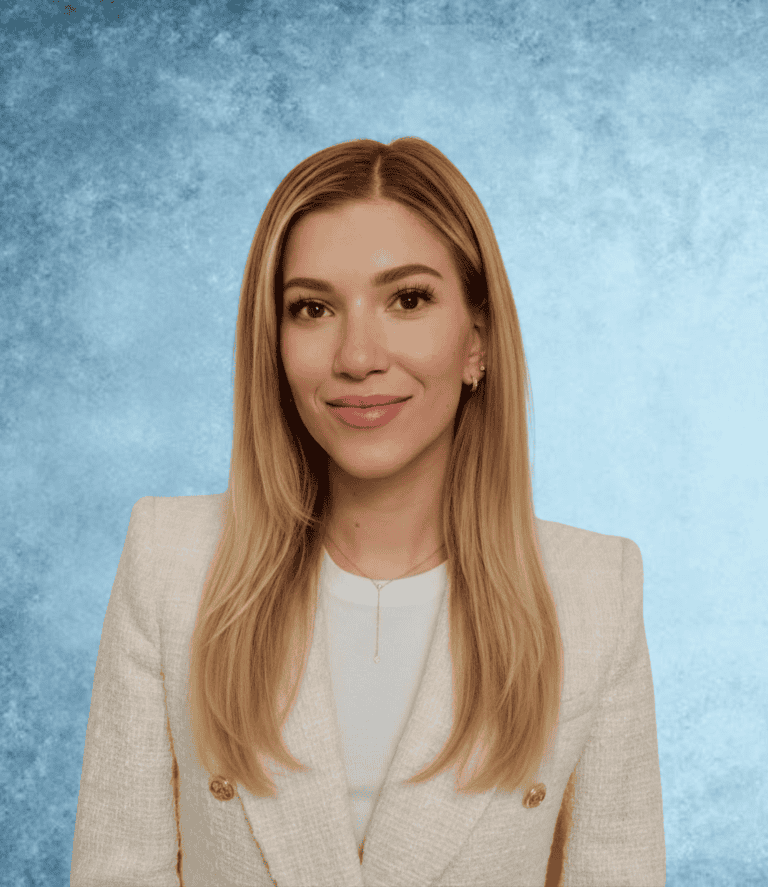
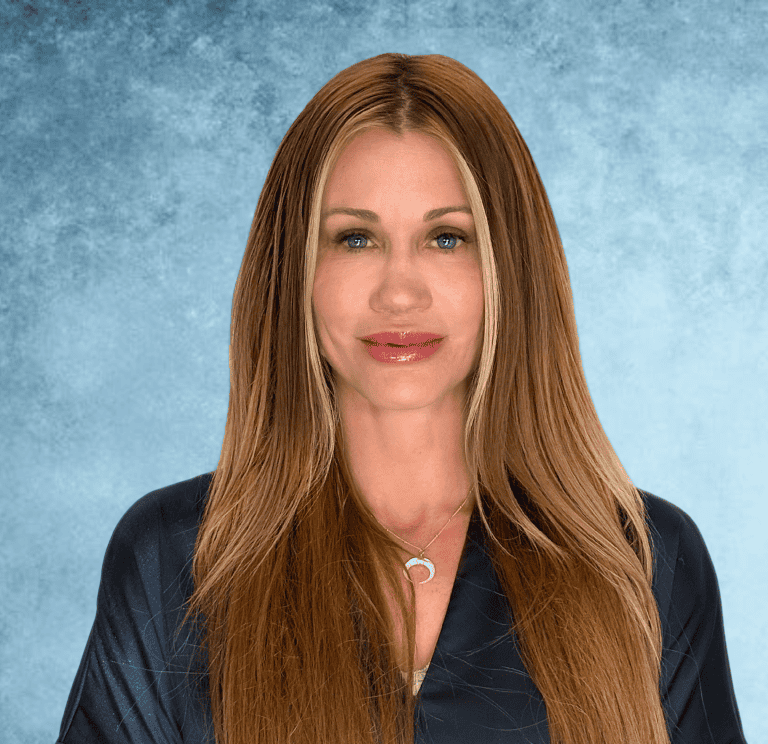
At Key Healthcare, we know that successful treatment relies on the quality of the people providing it. Our Grass Valley facility is staffed by a multidisciplinary team of licensed therapists, psychiatrists, and academic coordinators who are leaders in the field of adolescent mental health.

We don’t just treat symptoms; we collaborate to treat the whole person. By combining clinical expertise with genuine mentorship, our team ensures that every teen in our Residential Treatment receives the personalized, evidence-based care they need to heal and thrive.

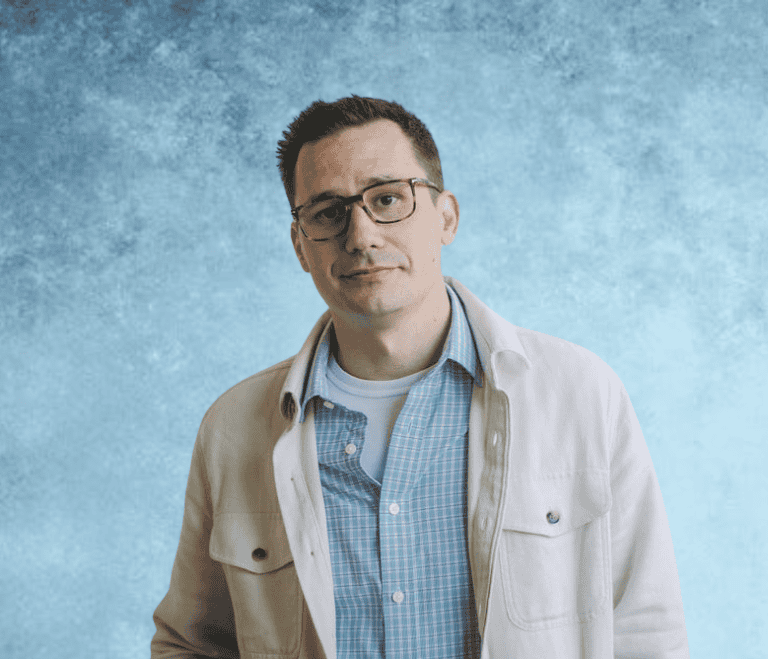
Evan Powell Founder

Evan Powell

Co-Founder
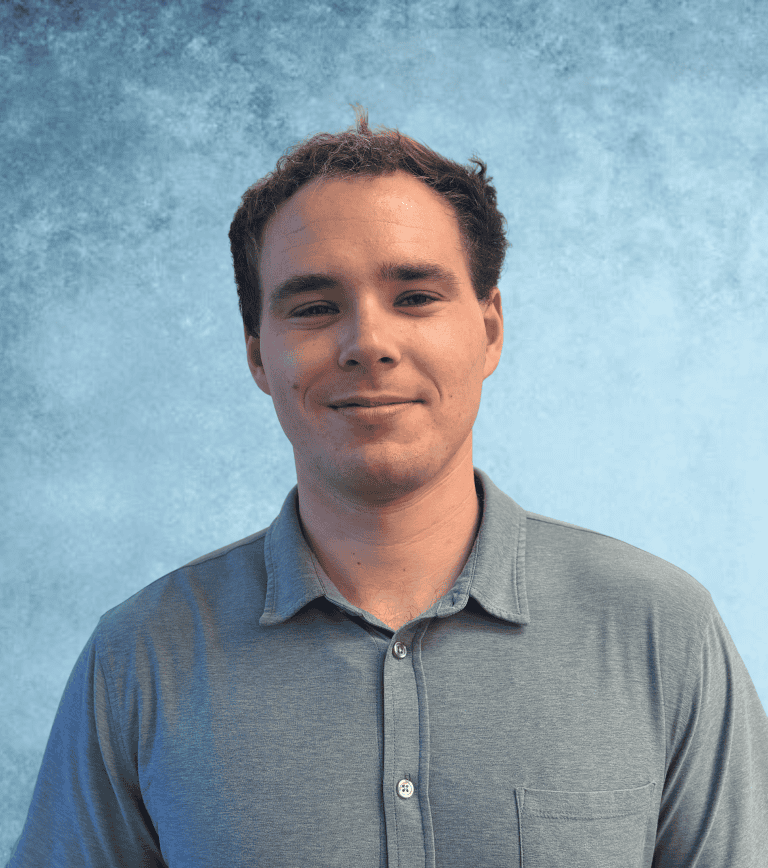
Ryan Blivas

Ryan Blivas

Co-Founder, Teen Expert
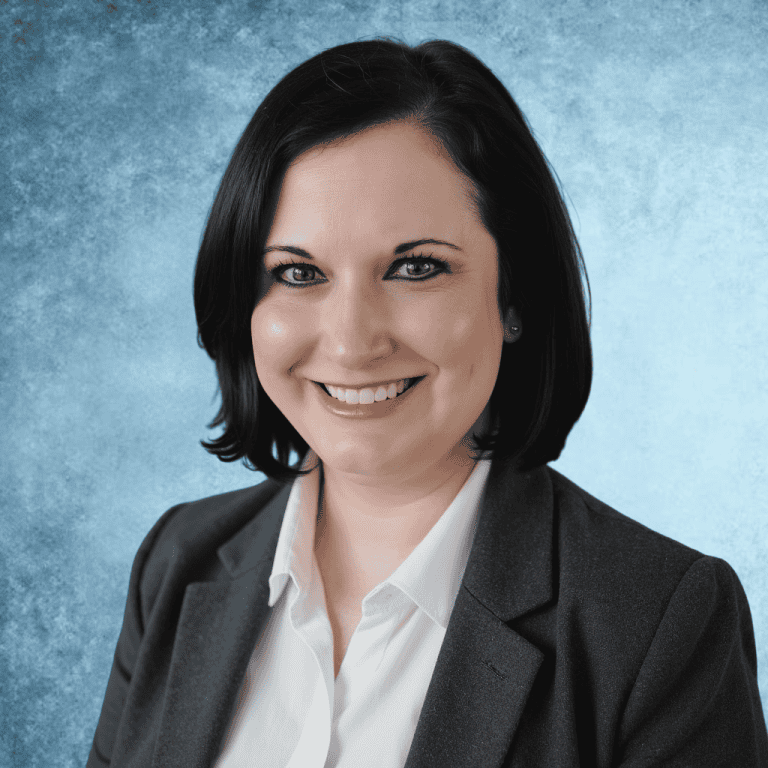
Elnaz Mayeh PhD, LMFT

Elnaz Mayeh PhD, LMFT

Executive Director
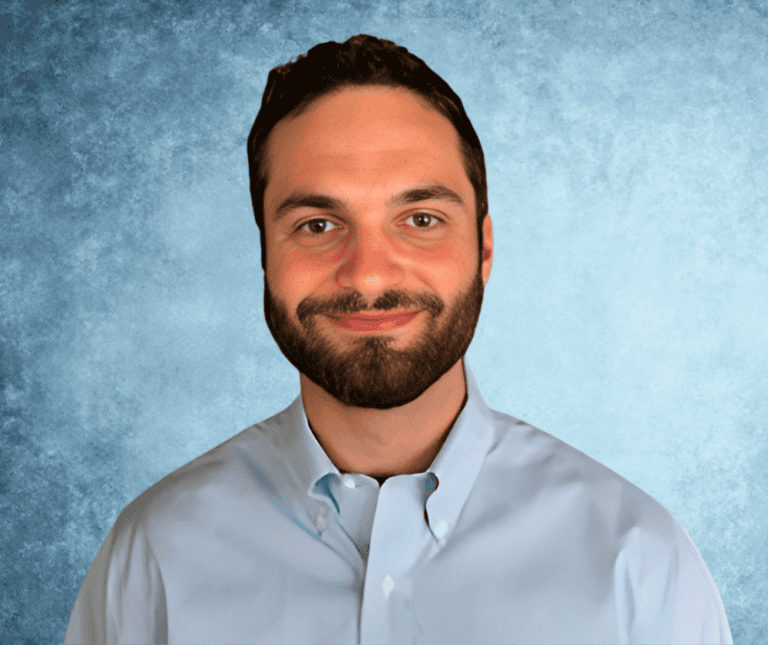
Matt Cox, CADAC-I

Matt Cox, CADC I

Director of Admissions
Beverly Reader, MD

Beverly Reader, MD

Medical Director / Psychiatrist
Henry Dafoe

Henry Dafoe

Program Mentor
Elayna Bray

Elayna Bray

Program Director
Jillian Linton

Jillian Linton

Director of Human Resources
Dr. Jackson Liguori

Jackson Liguori, PhD

Primary Therapist
Madison Miller

Madison Miller

Primary Therapist
Abby Heifitz

Abby Heifitz

Primary Therapist
Sammy Karuru

Sammy Karuru

Executive Assistant to Founder
Jasper Patterson

Jasper Patterson

Music Program Director
Chanelle Catuogno, ACSW

Chanelle Catuogno, ACSW

Individual and Family Therapist
Rocky Trombetti, MA, AMFT

Rocky Trombetti, MA, AMFT

Individual and Family Therapist
Amber Gentry

Amber Gentry

Education Liaison
Stacie-O-Farrell

Stacie O’Farrell

Academic Coordinator
Nonna

Nonna Milyavskaya, AMFT

Associate Marriage and Family Therapist

What to Expect from Teen Residential Treatment Grass Valley

One of the biggest questions parents have is what actually happens day to day in teen residential treatment Grass Valley. Knowing what your child will experience can bring a sense of clarity during a really uncertain time.

At Key Healthcare, residential treatment programs are designed to create structure, safety, and consistency. Teens follow a daily schedule that includes teen therapy Los Angeles, group therapy for teens, and therapeutic programs that support both mental health and emotional growth. These programs are built specifically for adolescents, not adults, so care is tailored to their stage of life and development.

Treatment also focuses heavily on dual diagnosis and co-occurring disorders. That means if your teen is struggling with depression, anxiety, trauma, or substance use, teen addiction treatment is addressed with their mental health through a personalized treatment plan instead of being treated as separate issues.

How Teen Residential Treatment Grass Valley Supports Long-Term Healing

When you’re looking into teen residential treatment Grass Valley, it’s not just about getting your child through a crisis. It’s about helping them build something steady and sustainable on the other side of it. Real healing takes more than a temporary reset—it requires structure, consistency, and the right kind of support that continues to shape your teen even after treatment ends.

Building Stability Through Structured Residential Treatment

One of the biggest benefits of residential treatment programs is the structure they provide. Teens step out of the environments that may be contributing to their struggles and into a space where each day is intentional. From the moment they wake up to the time they go to bed, there is a rhythm that includes therapy, connection, and skill-building.

This kind of structure is especially important for adolescents dealing with mental health challenges, substance use, or co-occurring disorders. It helps regulate the body and mind, reduces emotional overwhelm, and creates a sense of safety. Over time, teens begin to rebuild routines that support their health, rather than patterns that keep them stuck.

Treating Mental Health and Dual Diagnosis Together

Many teens entering residential treatment are not just facing one issue. They may be dealing with depression, anxiety, trauma, or substance use all at once. That’s where dual diagnosis care becomes essential. Instead of separating mental health from substance use, both are treated together through a comprehensive treatment plan.

At Key Healthcare, this approach allows therapists to understand the full picture of what your teen is going through. Whether it’s panic attacks tied to past trauma or substance use connected to emotional pain, treatment focuses on the root causes, not just the symptoms. This leads to deeper healing and more lasting progress.

Strengthening the Role of the Family Member

Healing doesn’t happen in isolation. Every family member plays a role in the recovery process, whether that’s through family therapy, communication work, or learning new ways to support their teen at home. Residential programs that involve families tend to create stronger long-term outcomes because the home environment becomes part of the healing journey.

Parents are given tools to better understand their teens’ mental health, respond to challenges, and rebuild trust. This doesn’t just help during treatment; it creates a foundation your family can carry forward into everyday life, long after your teen leaves residential care.

Taking the Next Step for Your Grass Valley Teen

Finding the right treatment can feel like an overwhelming task, but understanding your options is the foundation of helping your teen heal. From recognizing the early warning signs of substance use to understanding the vital importance of adolescent-specific care, you now have the tools to make an informed decision for your child’s future. If you are exploring residential programs, the team at Key Healthcare is ready to listen to your story and answer your specific questions. Reach out to our admissions counselors through our contact page or call us directly at (800) 421-4364 to discuss your family’s clinical needs. Pick up the phone today to schedule a free, confidential assessment and map out a practical plan for your child’s admission.

Sources

National Center for Biotechnology Information. (November 7, 2017). Summary of evidence – inpatient and outpatient treatment of substance use in people with co-occurring mental health and substance use disorders. NCBI Bookshelf.

California Department of Health Care Services. 2025 SNAP report. DHCS.

SAMHSA. (July 28, 2025). SAMHSA releases annual national survey on drug use and health. SAMHSA.

Nevada County. FY 25-26 APU final. Nevada County.

National Center for Biotechnology Information. (August 3, 2016). Continuing care for adolescents in treatment for substance use disorders. PMC.

National Center for Biotechnology Information. (November 17, 2016). Early intervention, treatment, and management of substance use disorders. NCBI Bookshelf.

Nevada County. (July 19, 2017). Substance use services. Nevada County, CA.

Sacramento County Department of Human Services. Mental health provider minimum qualifications. Sacramento County DHS.

Sacramento County DCFAS. Mental health provider minimum qualifications. Sacramento County.

California Department of Health Care Services. (December 10, 2021). Criteria for beneficiary to specialty mental health services. DHCS.

Sacramento County DHS. (November 20, 2025). Mental health services. Sacramento County.

National Center for Biotechnology Information. (June 25, 2012). Adolescent brain development, substance use, and psychotherapeutic change. PMC.

National Center for Biotechnology Information. (January 1, 2014). Effectiveness of treatment for adolescent substance use. PMC.

Partnership to End Addiction. (September 20, 2023). Teen brain development. Partnership to End Addiction.

National Center for Biotechnology Information. (August 3, 2016). Family-based treatments for adolescent substance use. PMC.

National Institute on Drug Abuse. Principles of adolescent substance use disorder treatment: a research-based guide. NIDA.

SAMHSA. (June 9, 2023). National helpline for mental health, drug, alcohol issues. SAMHSA.

National Center for Biotechnology Information. (July 10, 2014). Family support programs and adolescent mental health. PMC.

Judicial Council of California. Effects of multidisciplinary family treatment drug court on child welfare outcomes. California Courts.

National Center for Biotechnology Information. (January 1, 2012). Stepping down and stepping in: youth’s perspectives on making transitions in residential care. PMC.

It might feel like a big step, but remember why you're here—you’re looking for a way forward

Frequently Asked Questions in Grass Valley

Residential treatment offers a higher level of support than intensive outpatient programs or day treatment because teens stay at the center full time. This allows therapists and clinical teams to work closely with clients in real-time during daily life, not just during scheduled sessions. Outpatient care can be helpful for mild to moderate concerns, but residential treatment is often recommended when safety, substance use disorders, or ongoing mental health struggles like depression, anxiety, or panic attacks need more consistent care.

Residential treatment programs typically include a blend of evidence-based and holistic therapies. This can include group therapy, individual talk therapy, family therapy, and trauma-informed care. Some programs also include life skills training, mindfulness practices, and support for rebuilding healthy routines. The goal is to help teens develop tools they can carry into daily life so they can manage emotional challenges, build resilience, and move forward on a path of recovery and healing.

Many residential treatment centers in California accept insurance plans, though coverage can vary depending on your provider and the level of care needed. Most centers will verify benefits for new clients and walk families through what’s covered, including residential treatment, outpatient services, and medication support. If insurance does not cover the full cost, some programs offer payment options or help families explore additional resources so their child can still access compassionate care.

Yes, family involvement is a key part of most residential treatment programs. Many centers include family therapy sessions, regular updates, and opportunities for parents to stay connected to their teen’s progress. This helps strengthen relationships and gives families tools to support their child once they return home, making the transition back into daily life feel more manageable and supported.

Contact our Grass Valley Residential Treatment Treatment Center

If your family is searching for compassionate, evidence-based teen Residential Treatment in Grass Valley, Key Healthcare is here to help. Our team is available to answer your questions, verify insurance benefits, and guide you through the admissions process with clarity and care. Whether your teen needs residential treatment, PHP, IOP, or outpatient support, we’ll help you determine the right level of care and next steps. 

Zip codes we service in Grass Valley

95945, 95949

Key Healthcare

(310) 919-25306270 Zumirez Dr, Malibu, CA 90265Key Treatment 1, LLC Facility Number: 198209773

Key Healthcare Adolescent Outpatient

(800) 421-43642233 Corinth Ave, Los Angeles, CA 90064Key Outpatient Certification #190047AP

Check Insurance

Structure, support, and a path forward. See how programs at Key Healthcare help teens thrive.

Take the first step by verifying your insurance today and finding out what coverage options are available for your family. Our team will review your benefits and help you understand how to access the care your teen needs.

Author

Ryan Blivas

Ryan Blivas

Ryan Blivas is a behavioral healthcare entrepreneur and teen mental health advocate dedicated to combating the mental health crisis in America. As the Co-Founder of Key Healthcare, he oversees a comprehensive network of care, including a residential treatment center in Malibu and outpatient clinics in West Los Angeles, all designed to support teens struggling with mental health and substance use disorders. A contributor to Entrepreneur Magazine, Ryan combines business acumen with a deep commitment to advocacy, driven by a mission to help families in despair find hope and lasting recovery.

Read More

Medically reviewed by

Dr. Elnaz Mayeh_page-0001

Elnaz Mayeh PhD, LMFT

As Executive Director, Dr. Mayeh is dedicated to maintaining Key Healthcare’s reputation as a premier adolescent treatment center, fostering a stable and supportive environment for both clients and staff. Her leadership focuses on clinical integrity, staff development, and creating a culture of compassion and growth.

Read More

Share Article

Is your teen struggling?

Call today for a confidential conversation with a teen treatment specialist—we’re here to help.

(800) 421-4364

best teen treatment center

Check if your insurance will cover the cost of treatment.

"*" indicates required fields

MM slash DD slash YYYY
(optional)
Include images of your insurance card
Accepted file types: jpg, gif, png, pdf, Max. file size: 25 MB.

You don't have to figure this out alone.

We’re available right now to answer questions, check your insurance, or just talk through your options. No commitment required.

Let's Chat

Request a call and a Key Healthcare team member will get in touch.

"*" indicates required fields

Your information is secure & protected by HIPAA.