Evidence-Based Therapies Used in the Program
Every teenager who enters residential treatment arrives with a different history, different triggers, and a different set of clinical needs. Key Healthcare builds individualized treatment plans around a core set of evidence-based modalities proven effective for adolescent mental health and substance use disorders. The combination of structured behavioral therapy, experiential approaches, and consistent individual clinical contact ensures each teenager is met where they are developmentally rather than placed into a generic adult treatment model.
CBT for Teens
CBT for teens addresses the direct relationship between thought patterns, emotions, and behavior. Teenagers learn to identify the distorted or harmful thinking that drives substance use and emotional dysregulation, then practice replacing those patterns with practical, evidence-based coping strategies. For adolescents in the Sacramento area who have spent months or years in cycles of avoidance and reactivity, this structured reframing work builds genuine resilience rather than temporary symptom management.
DBT for Teens
DBT for teens was developed specifically to address the kind of intense emotional experience that makes standard talk therapy feel inadequate for many teenagers. It teaches four core skill sets: mindfulness, distress tolerance, emotional regulation, and interpersonal effectiveness. For adolescents managing self-harm behaviors, impulsivity, or relationships defined by conflict and instability, these practical skills provide tools they can use in real time rather than in theory.
Individual and Group Therapy
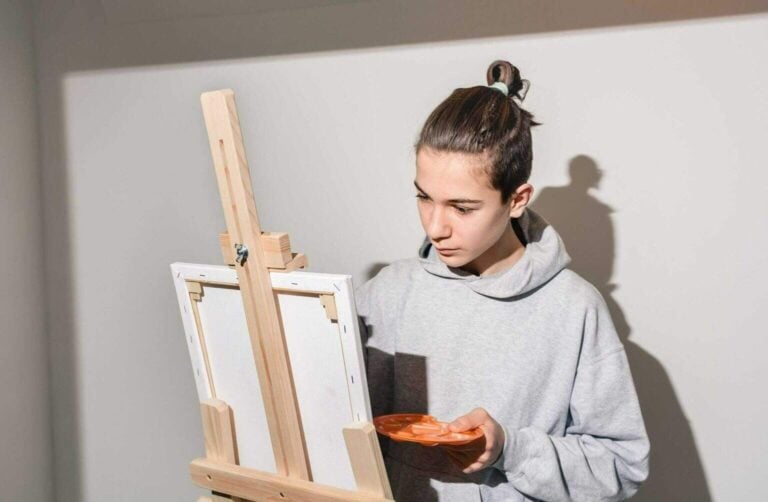
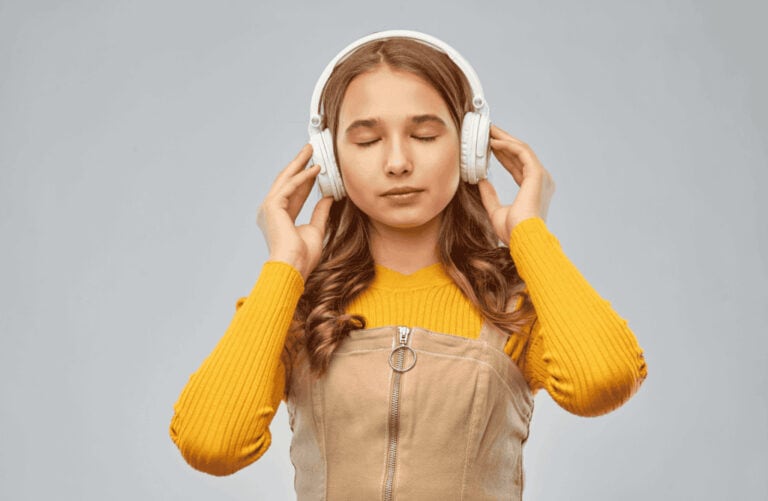
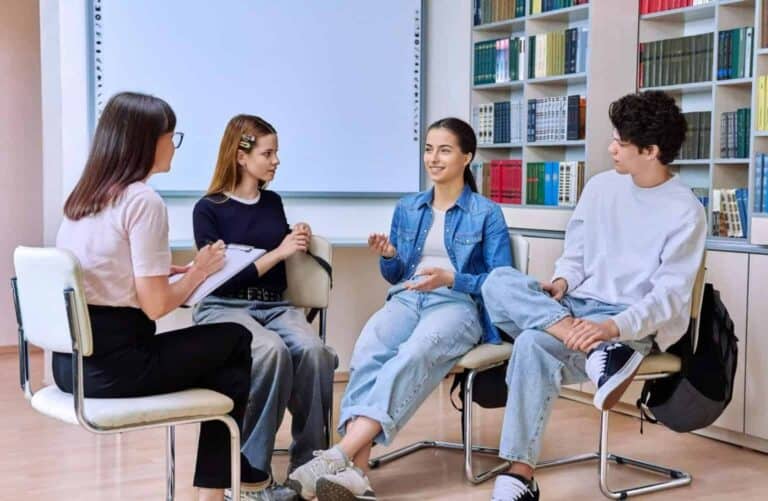
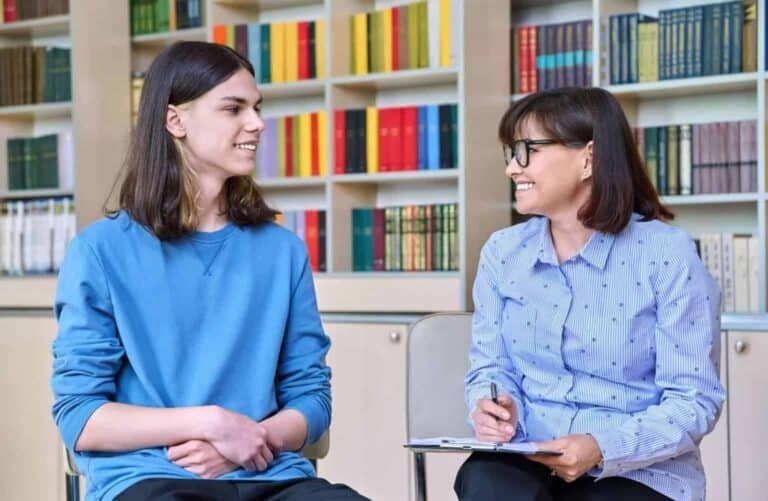
Teen therapy Los Angeles at Key Healthcare provides each teenager with consistent one-on-one clinical time to work through personal history, trauma, and treatment goals with a dedicated therapist. Group therapy for teens runs alongside individual sessions, building the peer accountability and shared understanding that accelerates recovery in ways individual work alone cannot replicate. For teenagers who struggle to engage verbally, art therapy for teens and music therapy for teens provide expressive pathways to process experiences and emotions that have been difficult to articulate in traditional clinical settings.
Academic Support During Treatment
Falling behind academically is one of the most consistent fears parents express when considering residential care, and it is a legitimate concern that Key Healthcare addresses directly rather than leaving as an afterthought. Academic continuity is built into the daily residential schedule as a core program component, not an optional add-on.
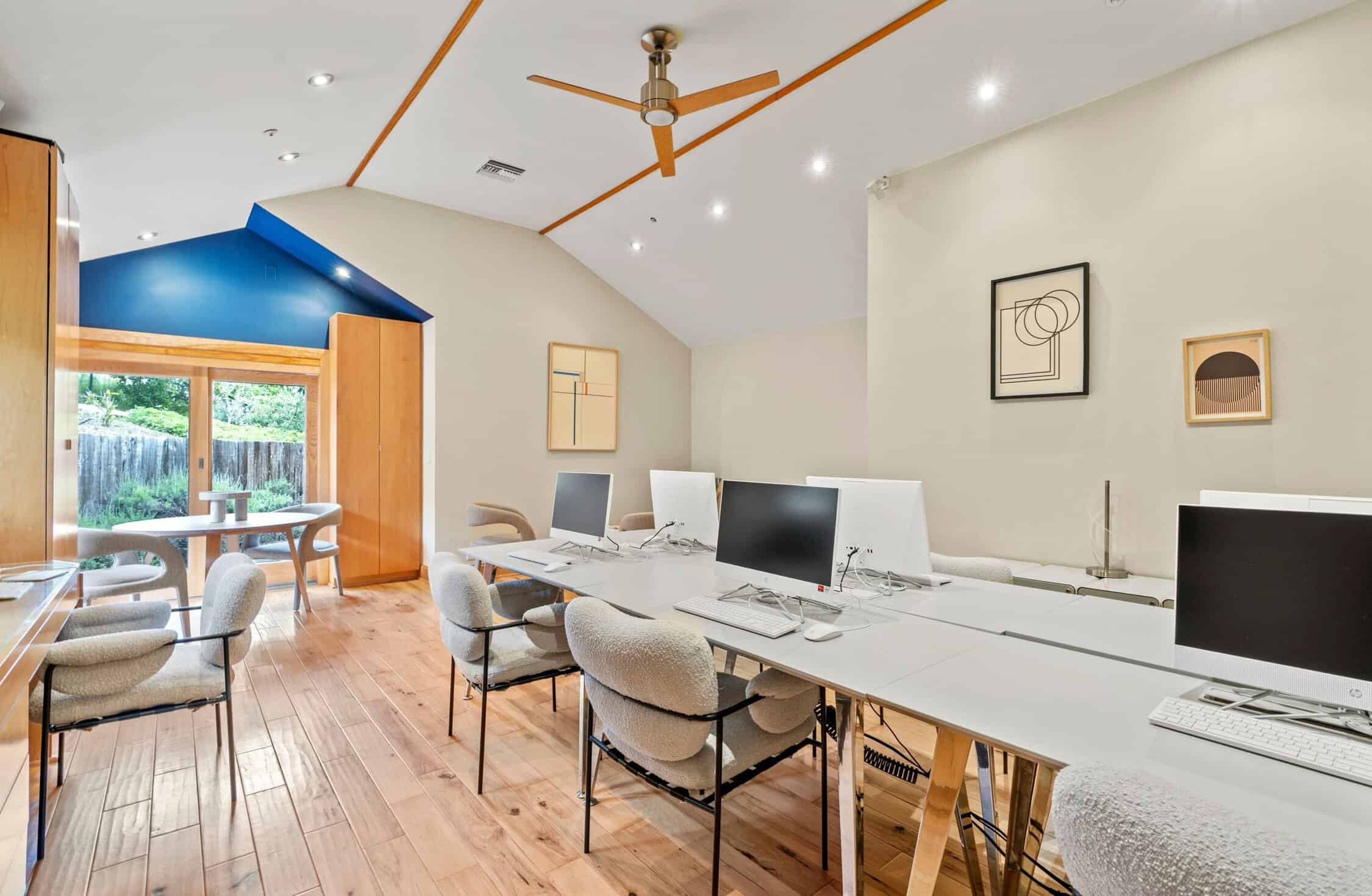
Dedicated study times, certified tutors, and a supervised learning environment ensure teenagers continue earning high school credits throughout their stay. The educational team coordinates directly with each student’s home school in Roseville to track transcripts, manage credit transfers, and ensure that any specialized accommodations, including IEPs and 504 plans, are maintained without interruption. Teenagers leave treatment without an academic gap to catch up on.
Family Involvement Throughout Treatment
Recovery does not happen in isolation from the family system, and Key Healthcare’s clinical model reflects that directly. The patterns that contributed to a teenager’s struggles almost always involve the home environment in some way, which means healing the family dynamic alongside the teenager is not supplementary work; it’s core clinical work.
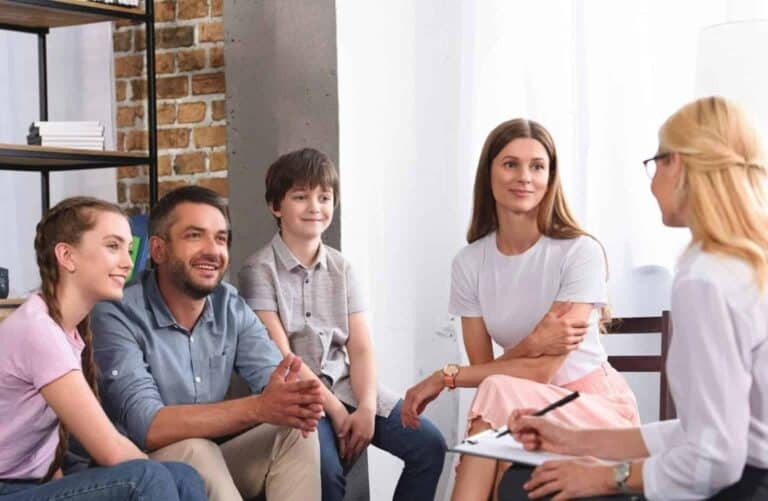
Family therapy for teens is built into the weekly schedule as a non-negotiable program component. Roseville parents participate in structured virtual sessions each week with a dedicated family therapist who guides conversations around rebuilding trust, improving communication, and developing the boundaries and skills needed to sustain recovery at home. Families receive consistent updates on clinical progress between sessions, so parents are never left without a clear picture of where their teenager stands and what is being worked on.