Why Residential Treatment for Santa Barbara Teens
If you are searching for teen therapy Santa Barbara, you might see your child struggling and wonder if standard care is enough. Recent data shows a 15.8 percent climb in outpatient mental health services for teens. This happens alongside a steady decline in available school counseling. Many adolescents are left without the support they need.
For teenagers aged 13 to 17, the prevalence rate for childhood depression is 6.1 percent. This is a significant number. When depression or anxiety reaches a severe level, weekly teen counseling often falls short.
A few hours of outpatient mental health services for teens cannot always manage complex symptoms. When weekly sessions fail to keep your child safe, a residential treatment center offers a structured intervention.
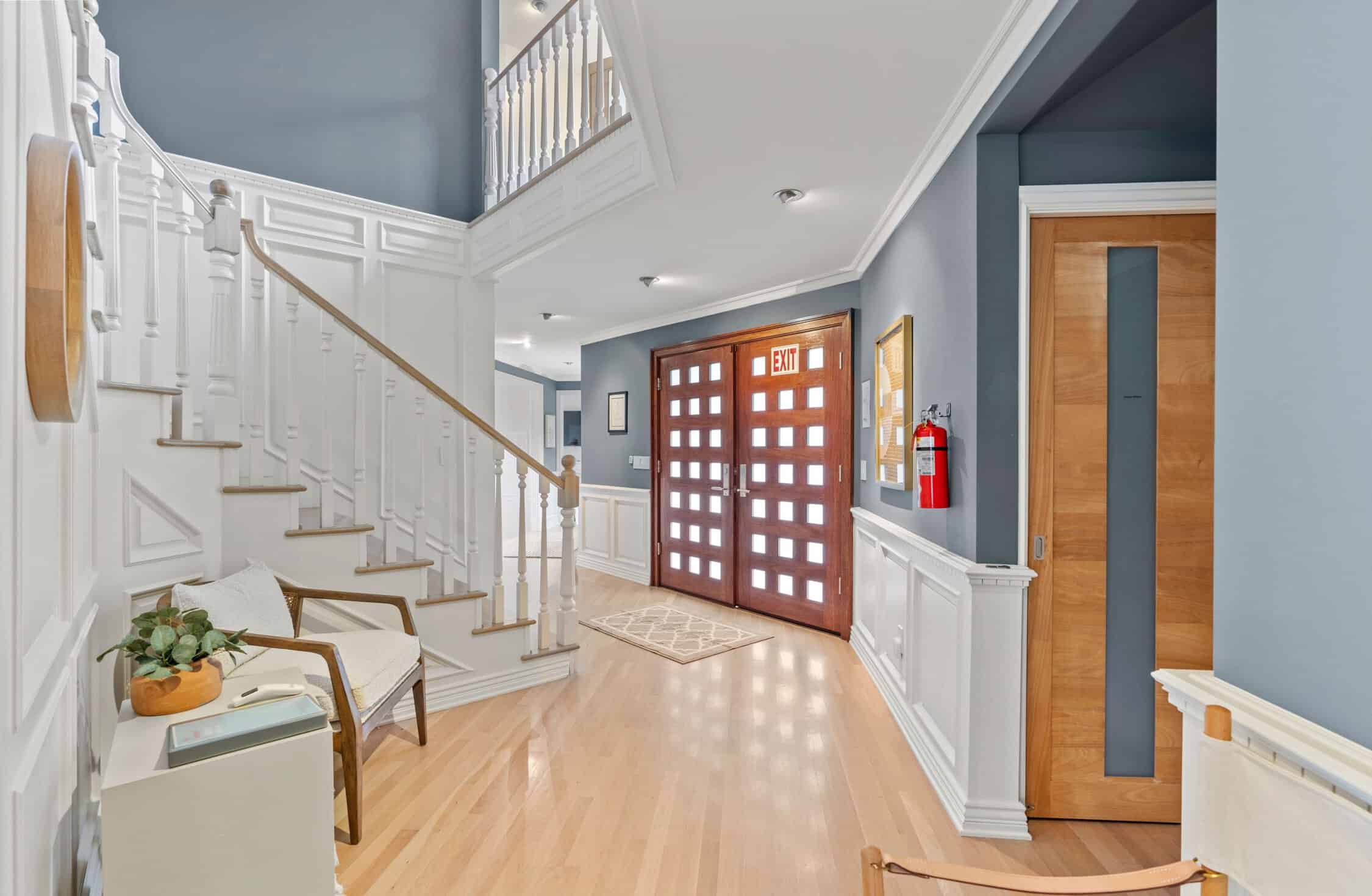
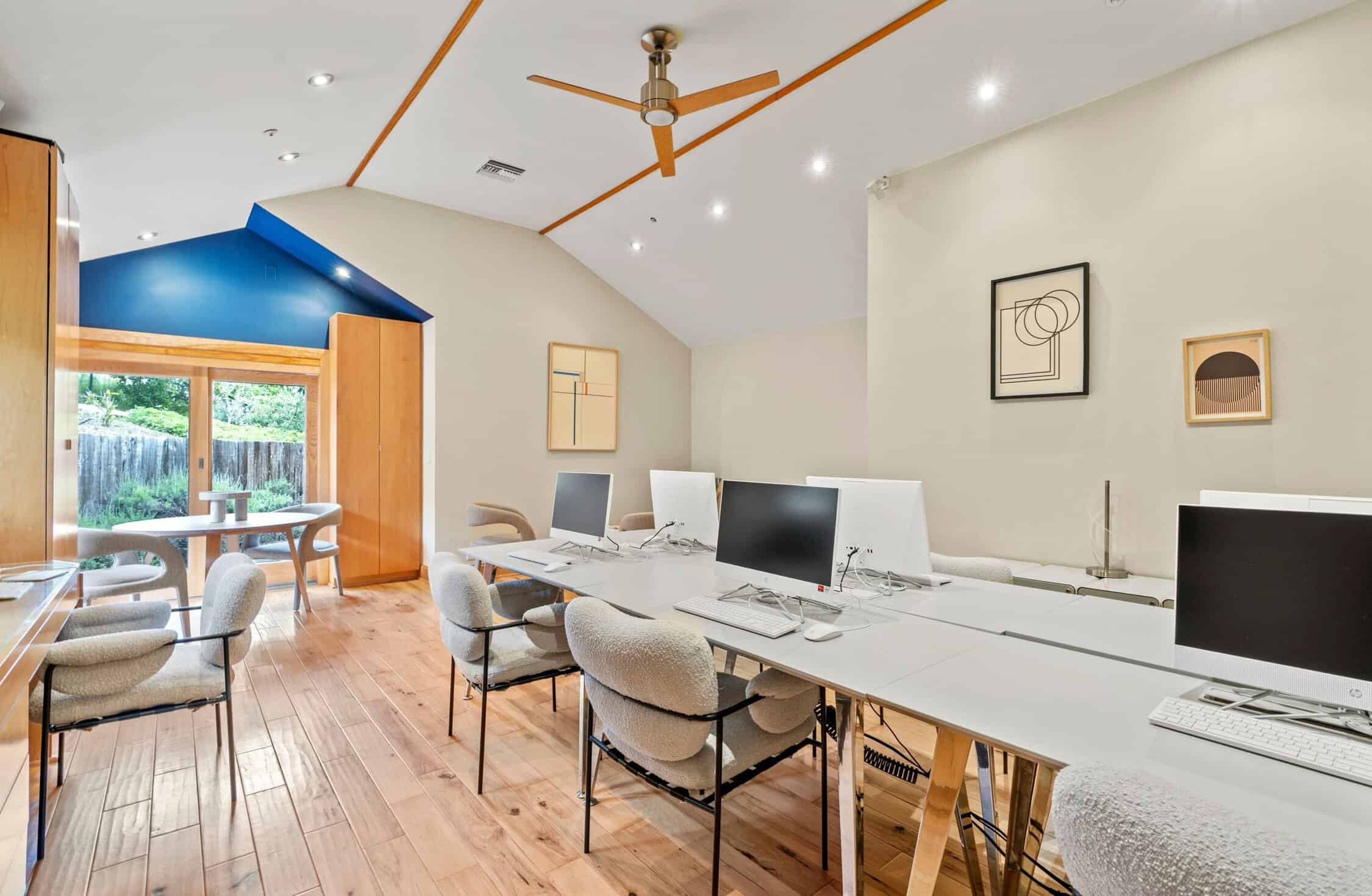
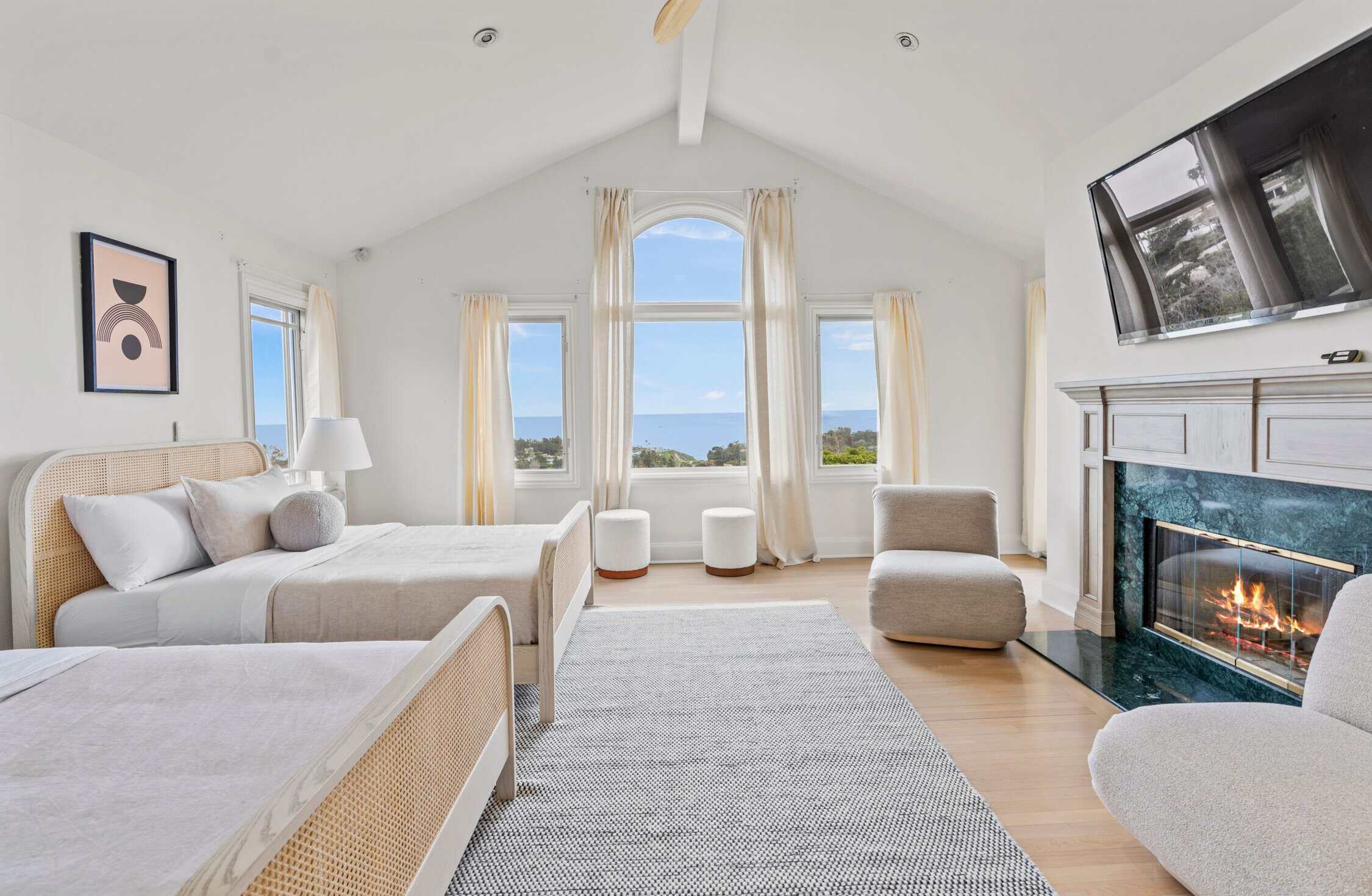
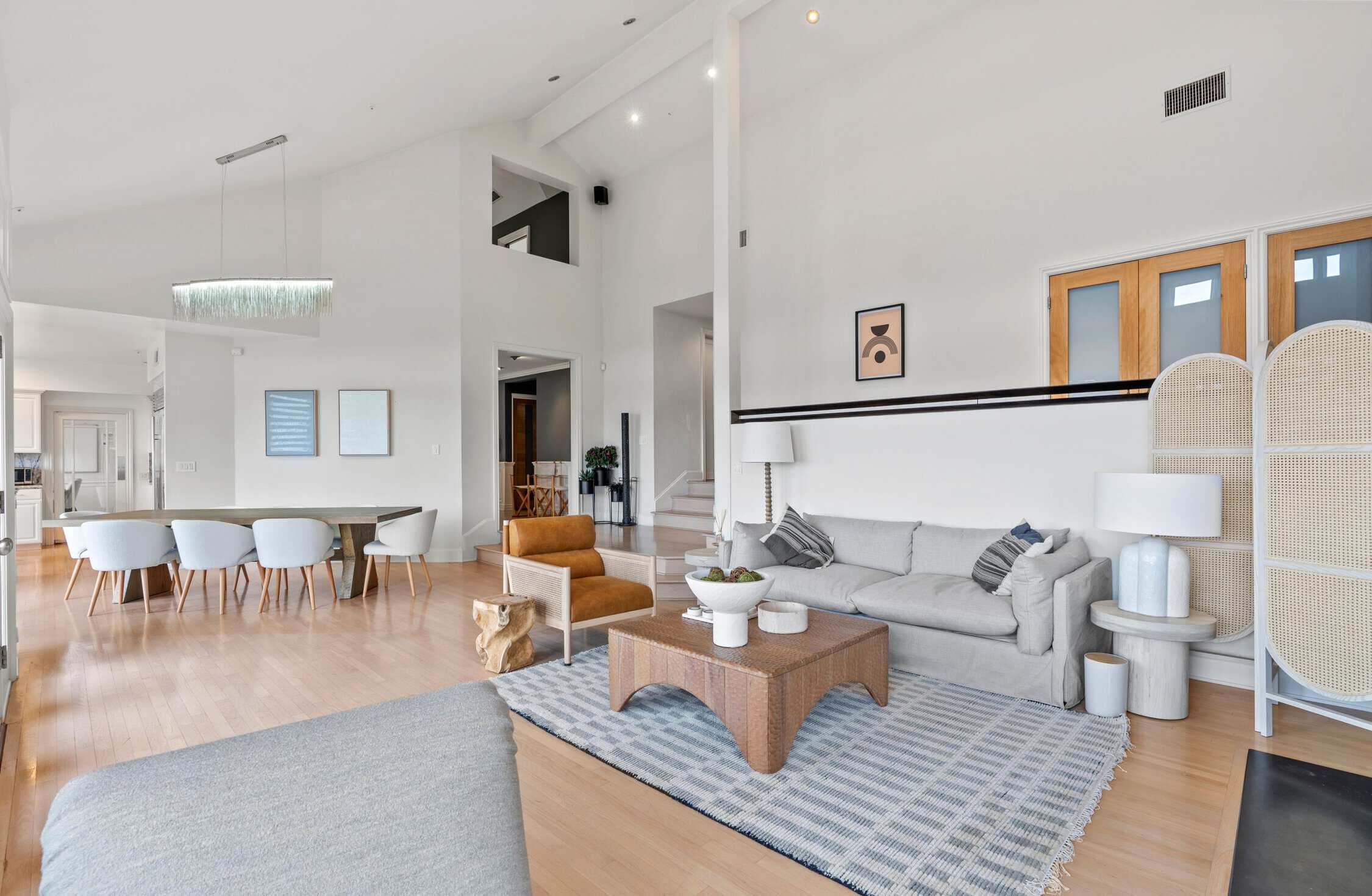
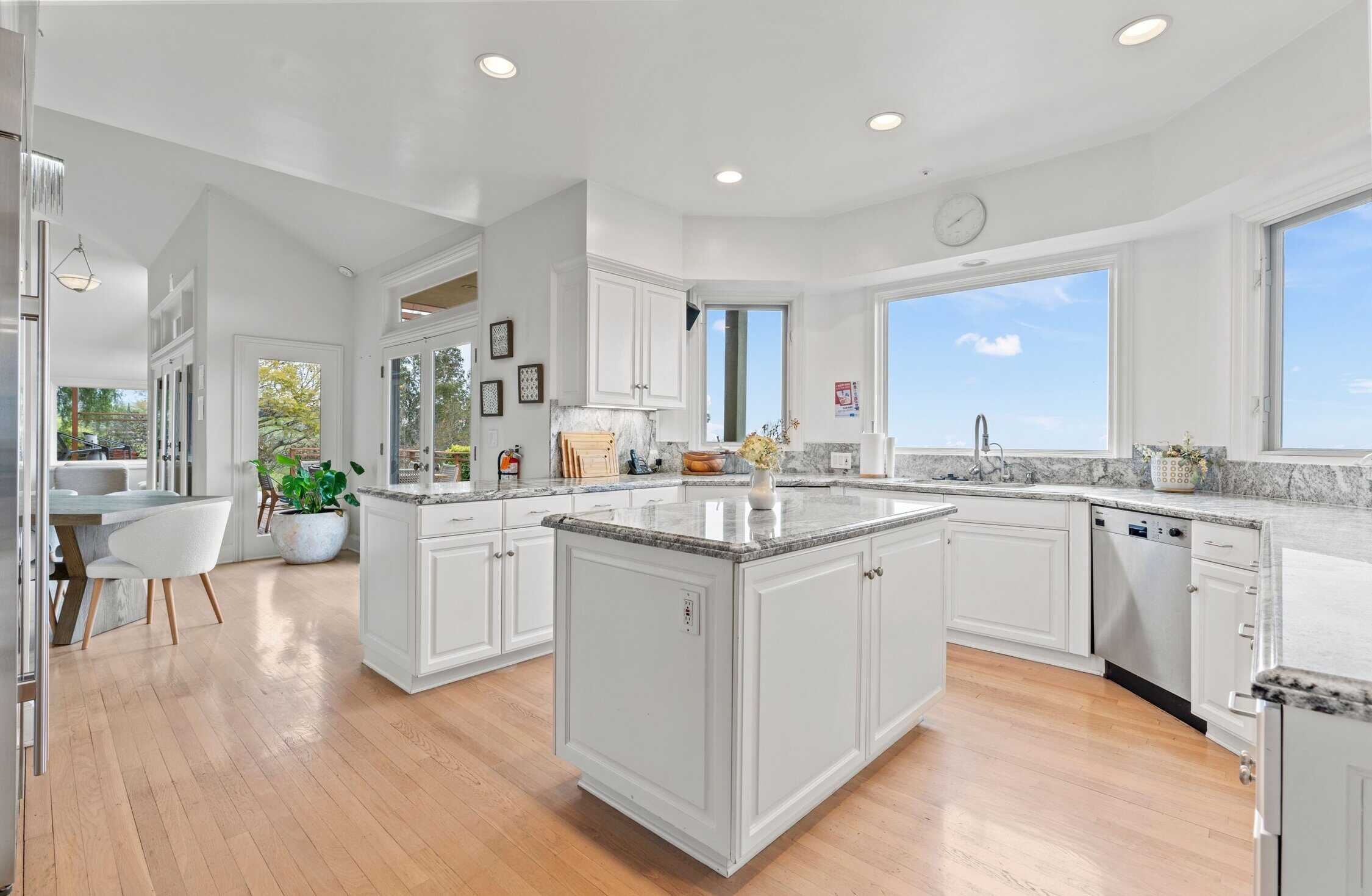
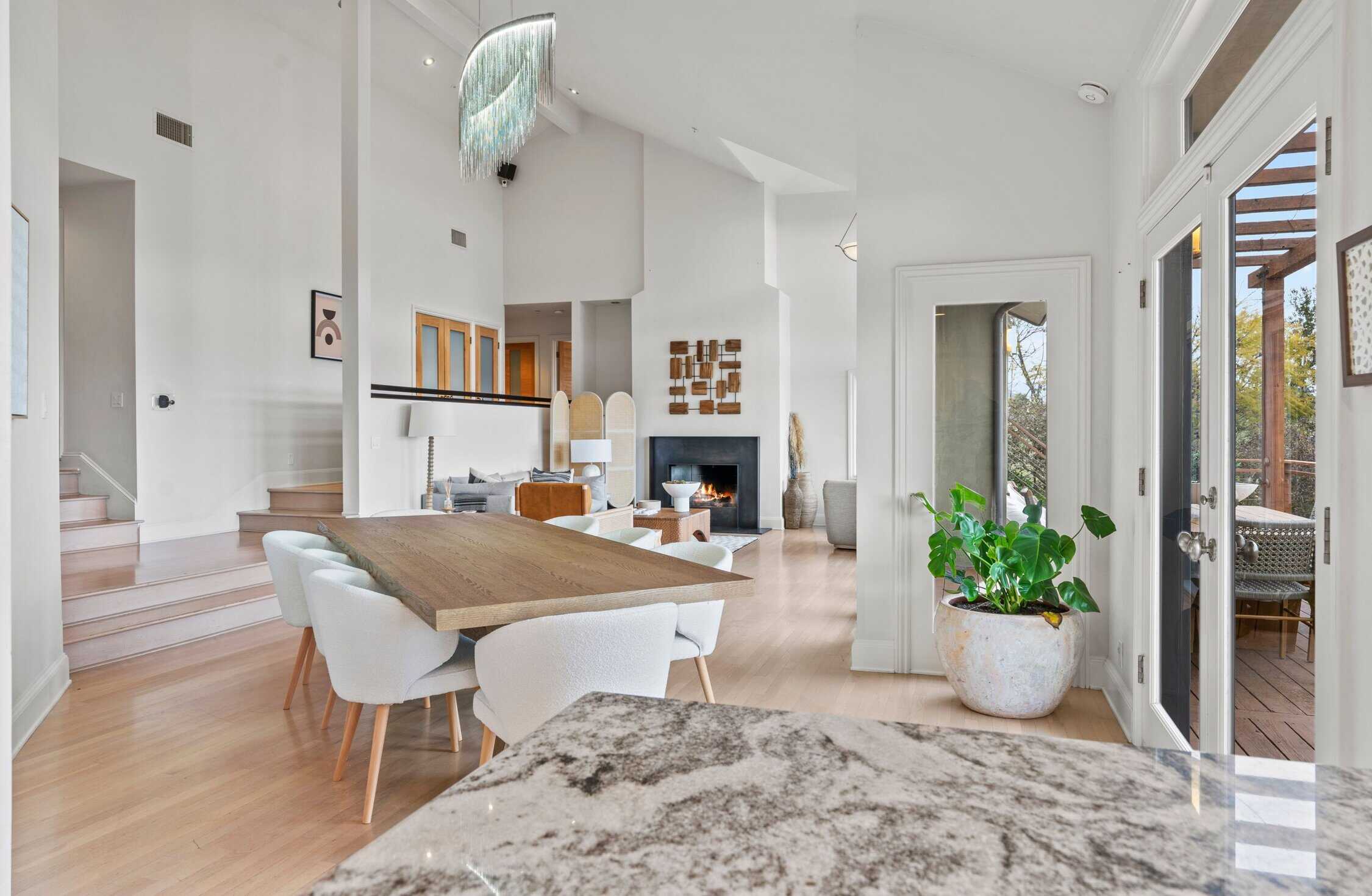
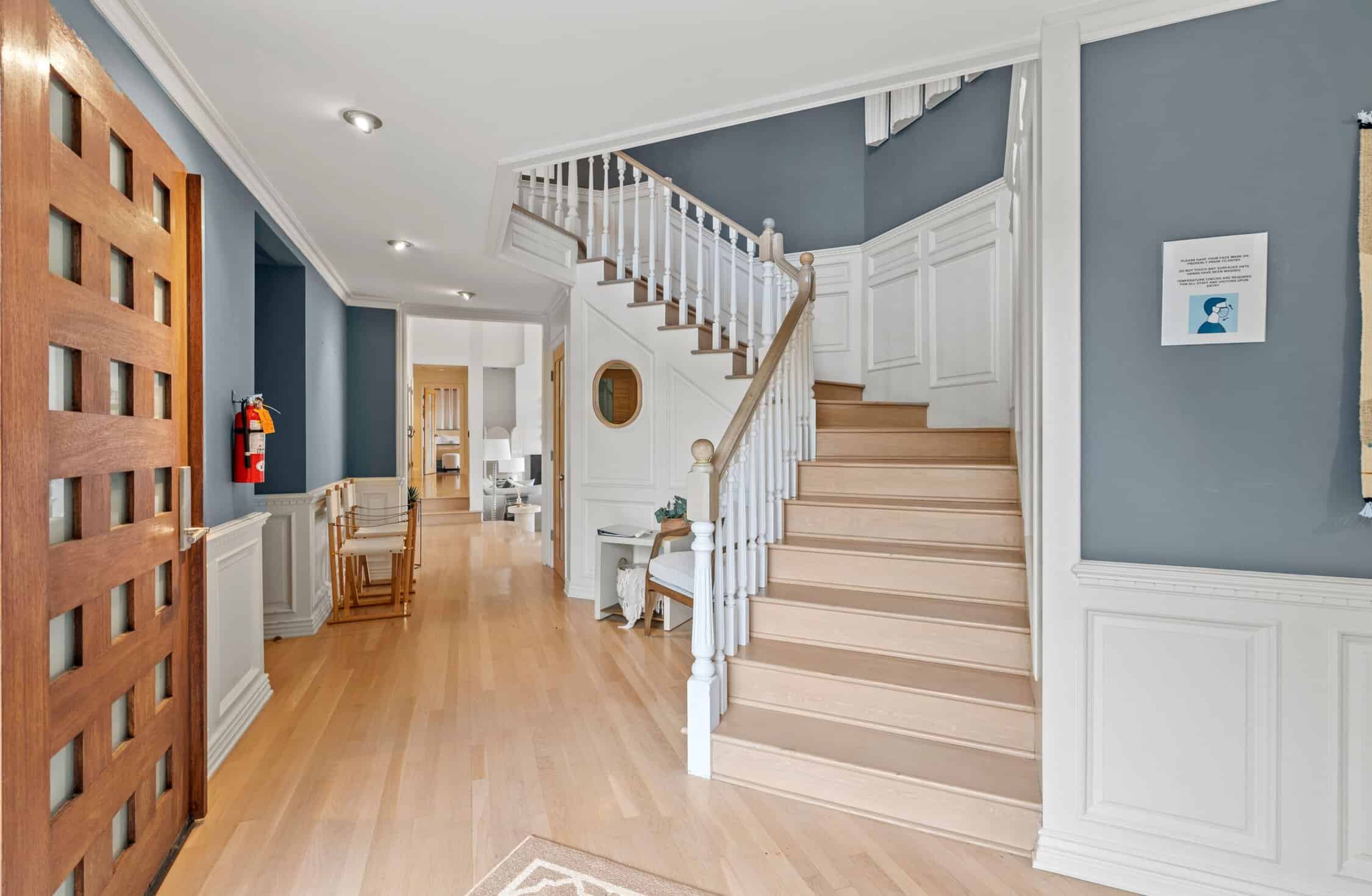
Key Healthcare’s residential treatment center for teens is located near Los Angeles, offering a safe, structured setting for adolescents with serious mental health conditions. Teens in residential care receive round-the-clock support from a dedicated clinical team. This level of care is ideal for youth who need intensive treatment away from the triggers of daily life.
Key Healthcare offers adolescent mental health treatment programs designed to address a wide range of mental health and behavioral issues. The teen treatment center uses evidence-based therapies to help teens build the life skills they need for long-term sobriety and emotional stability.
Each program includes case management, individual therapy, and family support.
PHP for teens provides a high level of structure while allowing adolescents to return home or to a sober living environment in the evenings. This program is offered in Los Angeles and is a strong step-down option after residential treatment. Teens participate in group therapy, individual counseling, and skills-based sessions throughout the week.
IOP for adolescents is held in Los Angeles, giving teens access to consistent clinical support while continuing school and family responsibilities. Virtual IOP for teens extends this access to families across Santa Barbara and beyond who prefer remote care. Both formats include group therapy, individual therapy, and family sessions designed to strengthen family relationships.
When to Choose a Residential Program
How do you know when to elevate care? There are specific signs that indicate residential treatment is necessary over standard outpatient therapy.
First, look for imminent safety risks. Repeated self-injury, suicide attempts, or violent outbursts mean that weekly sessions cannot ensure safety.
Second, watch for a major functional collapse. This includes school refusal, frequent truancy, or running away from home. When academic decline is driven by mental health, outpatient structure is often inadequate.
Third, pay attention to family breakdown. Intense, ongoing conflicts that do not improve with family therapy suggest the home environment is too strained.
Finally, consider treatment resistance. When teens refuse help or burn out from lower levels of care, they need a more intensive approach. Medical studies comparing inpatient versus outpatient care highlight the need for supportive therapy to improve coping skills.
Residential settings provide the constant oversight needed for this growth. Short-term residential stays with robust aftercare yield the best outcomes.
Co-occurring disorders complicate matters further. When a teen faces both mental health and substance use challenges, fragmented care often fails. Standard therapy might address depression but ignore substance use. This leads to poor outcomes and higher dropout rates.
A residential program treats these issues together. It uses a coordinated, multi-team approach to guide your teen toward lasting health.