"*" indicates required fields

Inpatient Teen Center Glendora CA

If you’re looking into an inpatient teen treatment center Glendora, it likely means your family is walking through something really difficult right now. When a teen is struggling with their mental health, behavior, or substance use, it can feel like nothing is working and the usual support just isn’t enough. That’s where inpatient care can make a real difference.

An inpatient teen treatment center in Glendora provides a safe, structured environment where your child receives 24/7 support from licensed professionals. It allows them to step away from daily pressures and focus fully on healing through individualized care, evidence-based therapies, and consistent clinical support. It’s not just about stabilization. It’s about helping your teen rebuild confidence, learn coping skills, and begin moving toward lasting change.

Take A Virtual Tour of Our Residential Treatment Glendora Rehab Facility

Reviews about key healthcare Residential Treatment Glendora

Recognizing the Need for Teen Residential Treatment Near Glendora

Parenting teenagers in Los Angeles County comes with unique, often heavy pressures. In suburban areas like Glendora, parents frequently notice subtle, unsettling shifts long before a major crisis hits. You might see sudden changes in your child’s friend group, withdrawal from family dinners, or a drop in grades.

These early behavioral signs often point to a deeper struggle with substance use or underlying mental health conditions. It is terrifying to realize your child might be experimenting with alcohol or drugs. This deep fear is entirely valid, especially knowing that 18% of individuals in the broader region report excessive drinking. The pressures facing teenagers today are incredibly intense.

When you spot these red flags, seeking a residential treatment center for teens is a profound act of love and strength. High-stress social environments can push vulnerable teenagers toward dangerous coping mechanisms. Specialized addiction treatment programs exist to help families navigate these exact challenges safely. Reaching out for professional, compassionate guidance is the absolute best way to protect your child’s future.

Insurances we Accept in Glendora

Key Healthcare works with a majority of Glendora health insurance providers and depending on your plan, 100% of the costs may be covered. Verify your insurance to get more information about your coverage.

What Conditions Can Our Residential Treatment Glendora Facilty Treat?

Our Glendora Residential Treatment program at Key Healthcare treats a range of mental health and addiction conditions in teens, including depression, anxiety, trauma, bipolar disorder, substance use disorders, and much more, all within a structured, supportive, and therapeutic environment.

What Is an Inpatient Teen Treatment Center?

An inpatient or residential treatment program is a highly structured, live-in facility offering 24/7 medical and therapeutic support. In this safe environment, a patient receives constant, compassionate care away from the daily stresses of their normal life.

For many adolescents facing severe challenges, outpatient therapy simply is not enough. A residential treatment center for teens provides a highly structured, trigger-free environment that is essential for building new, healthy habits. In a dedicated teen center Glendora families rely on, distractions are minimized so true, lasting healing can begin.

A major benefit of inpatient care is the 24/7 access to medical and clinical staff. This constant supervision creates a vital safety net during the vulnerable early stages of recovery. If a crisis arises, trained professionals are immediately available to de-escalate the situation and provide care.

Additionally, residential settings foster a powerful, positive peer community. Teens connect with others who truly understand their struggles, which drastically reduces feelings of deep isolation. This shared experience helps build empathy, self-esteem, and lifelong social skills. Building positive friendships is a cornerstone of lasting adolescent recovery.

Residential vs. Outpatient Programs

It helps to clearly contrast the two main models of care. An intensive outpatient program (IOP for adolescents) or partial hospitalization program (PHP for teens) allows the teen to live at home. These treatment programs can be very effective for less severe issues.

However, residential treatment becomes the necessary choice when the home environment contributes to the teenager’s struggles. If your child requires a higher level of care and constant supervision to ensure safety, a live-in setting is crucial. Residential care provides the immersive support needed to interrupt dangerous cycles and ensure meaningful progress.

Residential Treatment Teen Therapist & Counselors

At Key Healthcare, we know that successful treatment relies on the quality of the people providing it. Our Glendora facility is staffed by a multidisciplinary team of licensed therapists, psychiatrists, and academic coordinators who are leaders in the field of adolescent mental health.

We don’t just treat symptoms; we collaborate to treat the whole person. By combining clinical expertise with genuine mentorship, our team ensures that every teen in our Residential Treatment receives the personalized, evidence-based care they need to heal and thrive.

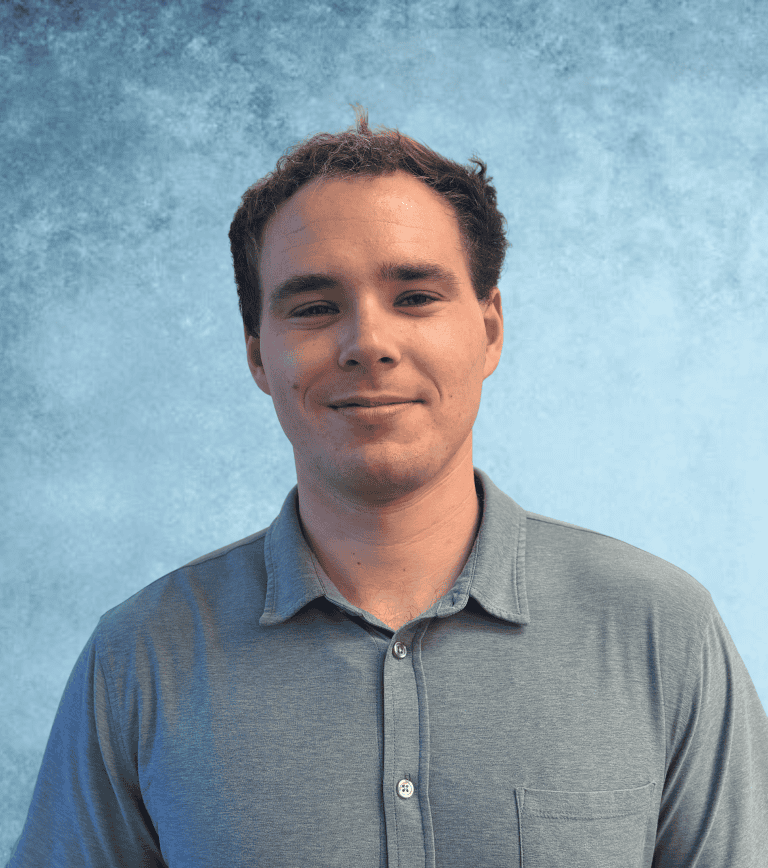
Evan Powell Founder

Evan Powell

Co-Founder
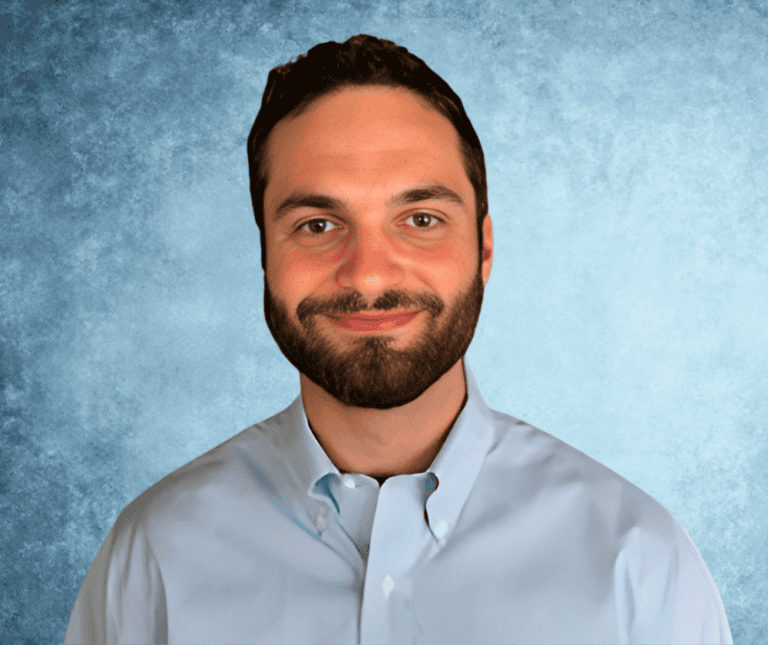
Ryan Blivas

Ryan Blivas

Co-Founder, Teen Expert
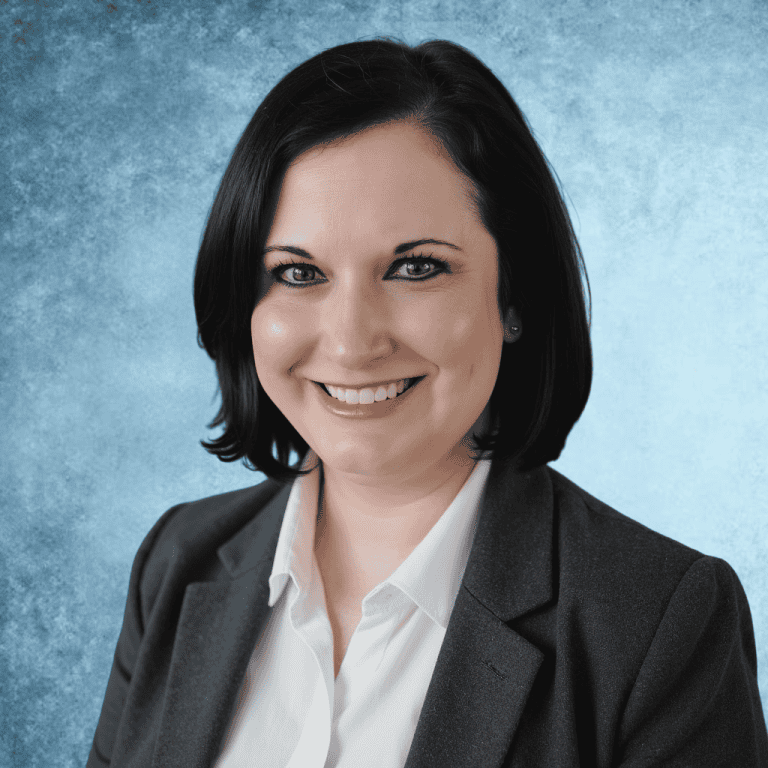
Elnaz Mayeh PhD, LMFT

Elnaz Mayeh PhD, LMFT

Executive Director
Matt Cox, CADAC-I

Matt Cox, CADC I

Director of Admissions
Beverly Reader, MD

Beverly Reader, MD

Medical Director / Psychiatrist
Henry Dafoe

Henry Dafoe

Program Mentor
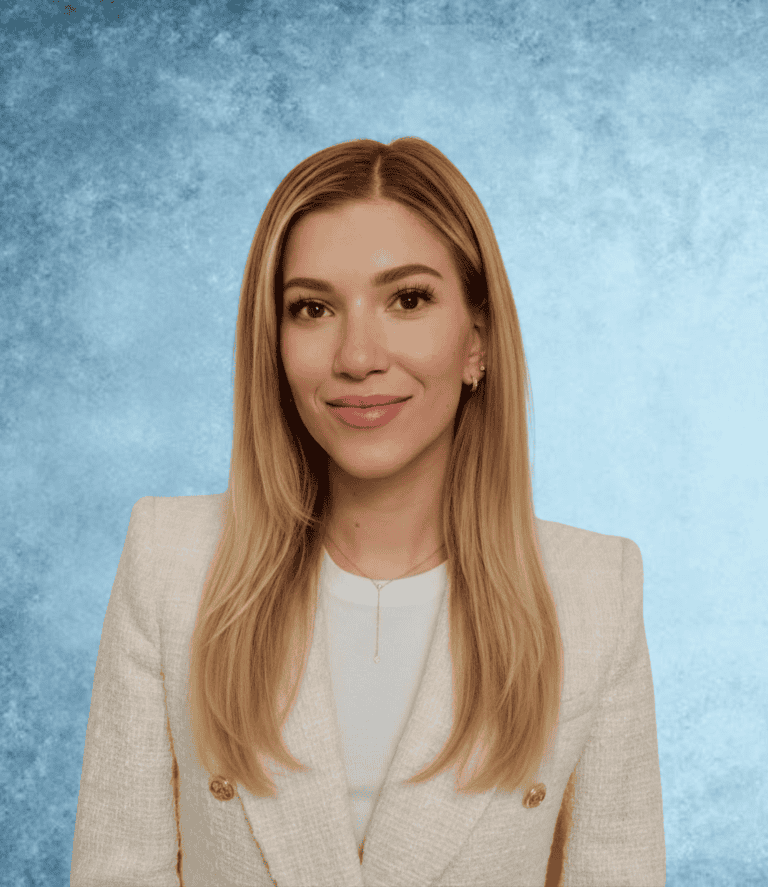
Elayna Bray

Elayna Bray

Program Director
Jillian Linton

Jillian Linton

Director of Human Resources
Dr. Jackson Liguori

Jackson Liguori, PhD

Primary Therapist
Madison Miller

Madison Miller

Primary Therapist
Abby Heifitz

Abby Heifitz

Primary Therapist
Gillian Greenberg

Gillian Greenberg

Primary Therapist
Sammy Karuru

Sammy Karuru

Executive Assistant to Founder
Jasper Patterson

Jasper Patterson

Music Program Director
Chanelle Catuogno, ACSW

Chanelle Catuogno, ACSW

Individual and Family Therapist
Rocky Trombetti, MA, AMFT

Rocky Trombetti, MA, AMFT

Individual and Family Therapist
Amber Gentry

Amber Gentry

Education Liaison
Stacie-O-Farrell

Stacie O’Farrell

Academic Coordinator
Nonna

Nonna Milyavskaya, AMFT

Associate Marriage and Family Therapist

It might feel like a big step, but remember why you're here—you’re looking for a way forward

Expert Care for Co-Occurring Disorders in Teens

A co-occurring disorder, often called a dual diagnosis, happens when a teenager struggles with both a substance use issue and a mental health condition. For example, a teen might battle alcohol abuse alongside severe anxiety, depression, or unhealed trauma. In these delicate situations, one issue frequently fuels the other. A teenager might use substances to numb the intense pain of untreated depression or social anxiety. Because these conditions are deeply intertwined, treating them separately is almost always ineffective.

This is why an integrated approach with teen therapy Los Angeles is absolutely essential for lasting recovery. In a comprehensive dual diagnosis program, a single clinical team addresses both the mental health conditions and the substance use simultaneously. Research shows that integrated care significantly improves long-term outcomes by treating the whole person, not just a set of symptoms.

Our clinical team utilizes proven, evidence-based therapies to treat these complex challenges. Cognitive behavioral therapy (CBT for teens) helps teens identify and change negative thought patterns. Dialectical behavior therapy (DBT for teens) teaches crucial skills for emotional regulation and distress tolerance. By blending these advanced therapies, we ensure your teenager receives the highest standard of specialized care.

A Day in the Life: Structure, School, and Healing

Sending your child to a residential facility can feel daunting, but understanding their daily routine offers great peace of mind. A structured day in treatment carefully balances different types of therapy, academic work, and healthy recreation.

Mornings typically begin with a healthy breakfast and setting daily goals. Teens then move into individual therapy and group counseling sessions, where they process emotions in a safe space. Afternoons often include specialized life skills training, helping them build resilience and practical tools for the future.

We also incorporate holistic therapies that support overall well-being. Activities like art therapy, yoga, and outdoor recreation help teenagers discover healthy passions. These engaging outlets provide new, constructive ways for your child to express themselves, manage daily stress, and rebuild their self-esteem.

Maintaining Academic Progress

We know that falling behind in school is a major concern for parents. That is why our program includes dedicated, structured time for education every single weekday.

Your teenager will work with credentialed teachers and tutors who provide personalized academic support. We coordinate directly with your teen’s home school district to manage coursework and transfer credits. This ensures your child continues learning and stays firmly on track for high school graduation while receiving life-saving care.

Finding Support for Your Teen Near Glendora, CA

When exploring options for teen residential treatment Glendora, finding a specialized program is one of the most important decisions you will ever make. For immediate guidance on enrollment or to discuss your family’s unique situation, call (800) 421-4364 to speak directly with the team at Key Healthcare. We can help you review your insurance benefits and schedule a private clinical assessment. Contact our team today to find out exactly what logistical steps to take next for your child’s care.

Sources

Wiecha, J., et al. (August 23, 2013). Substance use among adolescents in California: A latent class …. National Center for Biotechnology Information.

University of Southern California. (January 1, 2024). The EPIC Study – REBEL Research – University of Southern California. University of Southern California.

SAMHSA. (June 9, 2023). National Helpline for Mental Health, Drug, Alcohol Issues – SAMHSA. Substance Abuse and Mental Health Services Administration.

Spoth, R., et al. (2010). Evidence-Based Interventions for Preventing Substance Use …. National Center for Biotechnology Information.

Centers for Disease Control and Prevention. (June 5, 2025). Data and Statistics on Children’s Mental Health – CDC. Centers for Disease Control and Prevention.

South Carolina Department of Health and Environmental Control. (November 10, 2025). Residential Treatment Facilities for Children & Adolescents. South Carolina Department of Public Health.

Oklahoma Department of Mental Health and Substance Abuse Services. (No date). Why Adolescent Treatment is Different from Adult Treatment. Oklahoma Department of Mental Health and Substance Abuse Services.

Kelly, J. F., et al. (2010). Differences between adolescents who complete and fail to …. National Center for Biotechnology Information.

Zhang, Y., et al. (2023). Digital Addiction Intervention for Children and Adolescents – PMC. National Center for Biotechnology Information.

Tait, R. J., et al. (2023). Digital interventions for substance use disorders in young people. National Center for Biotechnology Information.

Moeller, T., et al. (2014). Positive Peer Support or Negative Peer Influence? The Role of …. National Center for Biotechnology Information.

Kelly, J. F., et al. (2025). Between Support and Risk: The Dual Role of Peer Relationships in …. National Center for Biotechnology Information.

Mericle, A. A., et al. (2022). Long-Term Outcomes for Young People With Substance Use …. Frontiers in Psychiatry.

Godley, M. D., et al. (2016). Continuing care for adolescents in treatment for substance use …. National Center for Biotechnology Information.

Sterzing, P. R., et al. (2024). Prevalence of co-occurring conditions among youths receiving …. National Center for Biotechnology Information.

Bommersbach, T. J., et al. (2024). Diagnosing Adolescent Substance Use and Co‐Occurring Disorders …. National Center for Biotechnology Information.

Centers for Disease Control and Prevention. (November 22, 2024). Substance Use Among Youth | Reducing Health Risks …. Centers for Disease Control and Prevention.

Hser, Y. I., et al. (2001). Prevalence and Co-occurrence of Substance Use Disorders and …. JAMA Psychiatry.

Horigian, V. E., et al. (2025). Evidence-based Interventions for Youth With Concurrent Mental …. National Center for Biotechnology Information.

Hser, Y. I., et al. (2019). Adolescent Substance Use Disorder Treatment – PMC – NIH. National Center for Biotechnology Information.

Becker, S. J., et al. (2025). Evidence Base on Outpatient Behavioral Treatments for Adolescent …. Journal of Clinical Child & Adolescent Psychology.

Bagley, S. M., et al. (2021). Integrating substance use care into primary care for adolescents and …. National Center for Biotechnology Information.

Hser, Y. I., et al. (2024). Long-Term Outcomes of Adolescent Outpatient Treatment for …. National Center for Biotechnology Information.

Dennis, M., et al. (2006). Substance use treatment outcomes for youth – PMC. National Center for Biotechnology Information.

Horigian, V. E., et al. (2016). Interventions for Adolescent Mental Health: An Overview of …. National Center for Biotechnology Information.

Weisz, J. R., et al. (2020). Evidence-Based Treatment Strategies in Youth Mental Health Services. National Center for Biotechnology Information.

Horigian, V. E., et al. (2016). Family-based Treatments for Adolescent Substance Use – PMC. National Center for Biotechnology Information.

Department of Health Care Services. (October 2020). Adolescent Substance Use Disorder Best Practices Guide – DHCS. California Department of Health Care Services.

Liddle, H. A., et al. (2010). Treatment Techniques and Outcomes in Multidimensional Family …. National Center for Biotechnology Information.

Slesnick, N., et al. (2016). The Effectiveness of Functional Family Therapy in Reducing …. PubMed.

Van Der Pol, T. M., et al. (2023). The Impact of Family Therapy Participation on Youths and Young …. National Center for Biotechnology Information.

Horigian, V. E., et al. (2015). A Review of Parent Participation Engagement in Child and Family …. National Center for Biotechnology Information.

New York State Department of Financial Services. (No date). Mental Health and Substance Use Disorder Coverage – NY DFS. New York State Department of Financial Services.

South Carolina Department of Health and Human Services. (2021). Commission on Accreditation of Rehabilitation Facilities (CARF). South Carolina Department of Health and Human Services.

Ohio Department of Mental Health and Addiction Services. (September 30, 2025). National Accreditation Requirements. Ohio Department of Mental Health and Addiction Services.

National Center for Biotechnology Information. (2018). Practical Crisis Management for Parents and Clinicians: Adolescent …. National Center for Biotechnology Information.

U.S. Department of Health and Human Services. (March 27, 2025). We Can Take Action – Parents Under Pressure – NCBI Bookshelf. U.S. Department of Health and Human Services.

U.S. Department of Health and Human Services. (February 19, 2025). Parental Mental Health & Well-Being – HHS.gov. U.S. Department of Health and Human Services.

Administration for Children and Families. (No date). National Center on Substance Abuse and Child Welfare: Home. U.S. Department of Health and Human Services.

Iowa Department of Health and Human Services. (February 27, 2026). Behavioral Health – Iowa Department of Health and Human Services. Iowa Department of Health and Human Services.


Why Key Healthcare

Up to 100% of the Costs Covered by Insurance

Key Healthcare is committed to accessible care by accepting numerous insurance provider plans. In some cases, your plan might cover all of your Glendora Residential Treatment teen’s treatment expenses. Verify your coverage details below. Coverage (It’s Fast, Free & 100% Confidential )

Locally Owned. Personally Invested.

Independently owned and operated by the same two people who are on-site every day committed to quality, integrity, and care that makes a difference.

Decades of Clinical Expertise

With 80+ years of combined, trauma-informed experience, our team brings deep compassion and skill to adolescent mental health and co-occurring substance use treatment.

Trusted by 600+ Families

We guide teens and families through crisis with empathy and proven support, partnering closely throughout the healing journey.

Family-Centered Support

Families are essential to recovery. Multi-family therapy, Individual family sessions, Parent support groups

24/7 Supervision by Trained Staff

Your teen’s safety is always our priority. Crisis-trained staff are on-site around the clock, providing support and de-escalation when needed.

Academic Support

We provide 15+ hours of weekly academic help so teens stay on track while focusing on healing.

Frequently Asked Questions in Glendora

An inpatient teen treatment center Glendora is a structured, live-in program designed for teens who need a higher level of care for mental health or behavioral challenges. These programs are created for teens who may not be safe or stable in a traditional outpatient setting.


In Glendora, inpatient teen centers provide 24/7 supervision, clinical services, and a supportive environment where teens can begin to stabilize and develop healthier coping skills. Most programs are designed for specific age ranges and may also support young adults depending on the center.

Most inpatient teen treatment programs offer a full range of services to support both the teen and their family. This usually includes individual therapy, group therapy, family meetings, and case management.

Many centers also provide academic support so teens don’t fall behind in school, along with life skills development and structured daily schedules. These services are designed to help teens grow emotionally while still staying connected to their education and long-term goals.

Yes, family involvement is a key part of the process. Many programs operate with a strong family-centered approach, offering regular family meetings, updates, and opportunities for in person participation when possible.

Some centers even host scheduled events or workshops on certain days like Thursday evenings so families can stay involved and informed. This helps parents gain the knowledge and tools needed to support their teen once they return home.

When arriving at a teen center in Glendora CA 91740, families can expect a structured intake process. This often includes paperwork, assessments, and a meeting with the clinical team to begin building a personalized treatment plan.

Staff will walk you through the program, explain daily schedules, and provide important information about communication, visitation, and expectations. The goal is to create a smooth transition so your teen feels supported from day one.

The cost of inpatient teen treatment can vary depending on the level of care, length of stay, and services provided. Some programs accept insurance, while others may offer private pay options or financial guidance.

Many centers also help families navigate coverage, transportation options, and additional support resources within the community. It’s always a good idea to connect directly with the program to get clear information about cost, what’s included, and what support is available.

Contact our Glendora Residential Treatment Treatment Center

If your family is searching for compassionate, evidence-based teen Residential Treatment in Glendora, Key Healthcare is here to help. Our team is available to answer your questions, verify insurance benefits, and guide you through the admissions process with clarity and care. Whether your teen needs residential treatment, PHP, IOP, or outpatient support, we’ll help you determine the right level of care and next steps. 

Zip codes we service in Glendora

91740, 91741

Key Healthcare

(310) 919-25306270 Zumirez Dr, Malibu, CA 90265Key Treatment 1, LLC Facility Number: 198209773

Key Healthcare Adolescent Outpatient

(800) 421-43642233 Corinth Ave, Los Angeles, CA 90064Key Outpatient Certification #190047AP

Check Insurance

Structure, support, and a path forward. See how programs at Key Healthcare help teens thrive.

Take the first step by verifying your insurance today and finding out what coverage options are available for your family. Our team will review your benefits and help you understand how to access the care your teen needs.

Author

Ryan Blivas

Ryan Blivas

Ryan Blivas is a behavioral healthcare entrepreneur and teen mental health advocate dedicated to combating the mental health crisis in America. As the Co-Founder of Key Healthcare, he oversees a comprehensive network of care, including a residential treatment center in Malibu and outpatient clinics in West Los Angeles, all designed to support teens struggling with mental health and substance use disorders. A contributor to Entrepreneur Magazine, Ryan combines business acumen with a deep commitment to advocacy, driven by a mission to help families in despair find hope and lasting recovery.

Read More

Medically reviewed by

Dr. Elnaz Mayeh_page-0001

Elnaz Mayeh PhD, LMFT

As Executive Director, Dr. Mayeh is dedicated to maintaining Key Healthcare’s reputation as a premier adolescent treatment center, fostering a stable and supportive environment for both clients and staff. Her leadership focuses on clinical integrity, staff development, and creating a culture of compassion and growth.

Read More

Share Article

Is your teen struggling?

Call today for a confidential conversation with a teen treatment specialist—we’re here to help.

(800) 421-4364

best teen treatment center

Check if your insurance will cover the cost of treatment.

"*" indicates required fields

MM slash DD slash YYYY
(optional)
Include images of your insurance card
Accepted file types: jpg, gif, png, pdf, Max. file size: 25 MB.

You don't have to figure this out alone.

We’re available right now to answer questions, check your insurance, or just talk through your options. No commitment required.

Let's Chat

Request a call and a Key Healthcare team member will get in touch.

"*" indicates required fields

Your information is secure & protected by HIPAA.